Mega Doctor News

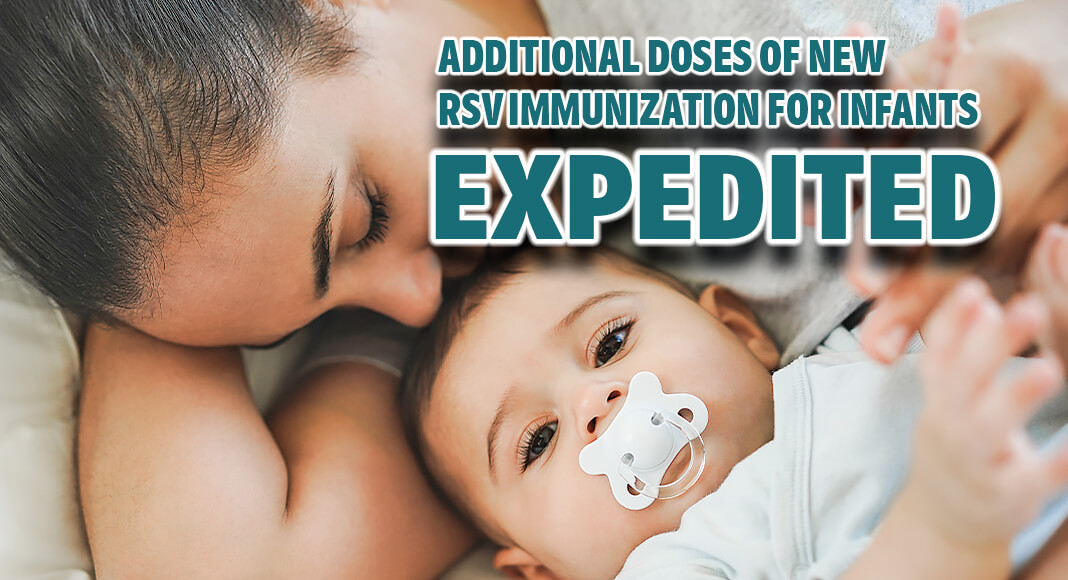
The CDC announced the release of more than 77,000 additional doses of Beyfortus™ (nirsevimab-alip (100 mg), a long-acting monoclonal antibody designed to protect infants against severe respiratory syncytial virus (RSV) disease. These additional doses will be distributed immediately to physicians and hospitals through the Vaccines for Children Program and commercial channels – improving the availability of nirsevimab-alip for parents seeking to protect their eligible children, particularly those at highest risk of severe illness.
CDC and FDA will continue to be in close contact with manufacturers to ensure the availability of additional doses through end of this year and for early 2024 to meet the demand.
“CDC and FDA are committed to expanding access to this important immunization so that more parents have peace of mind during the winter virus season,” said Dr. Nirav D. Shah, CDC’s principal deputy director.

“Helping to ensure the availability of this preventative option to reduce the impact of RSV disease on eligible babies and young children, families and the health care system remains a priority,” said Patrizia Cavazzoni, M.D, director of the FDA’s Center for Drug Evaluation and Research. “We will continue to use all our regulatory tools to help bring safe, effective and high-quality medicines to the public.”
CDC has taken steps to make the immunization more accessible for doctors to order through the Vaccines for Children program, which provides vaccines to half of America’s children.
Additionally, CDC and FDA have been engaged with groups such as the American College of Obstetricians and Gynecologists, to encourage more doctors to use the RSV maternal vaccine, which can help ensure babies are protected against RSV before they are born. Moreover, CDC has been in regular contact with clinicians across the country, encouraging them to prioritize nirsevimab-alip for infants at highest risk during this period of constrained supply. That list includes young infants up to six months old and American Indian and Alaska Native infants, among other groups.
Information Source: CDC