





Mega Doctor News
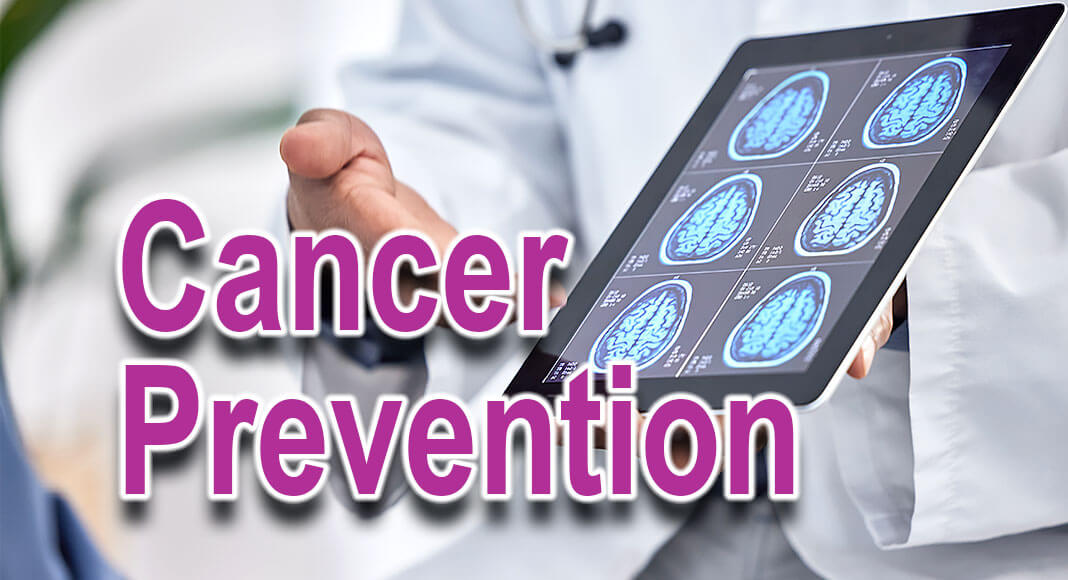
Most cancers take years to develop. Many things can affect your chance of getting cancer. Things that raise your chance of getting cancer are called risk factors.
You can’t control some risk factors, like getting older. But you can control many others. In fact, there are things you can do every day to avoid getting cancer. Two of the most important things you can do are making healthy choices and getting the screening tests that are right for you.
Healthy Choices
Quitting smoking is one of the best ways to lower your cancer risk. Smoking can cause cancer almost anywhere in the body. If you don’t smoke, make sure you stay away from other people’s smoke.
The link between smoking and cancer is well-known. But you may be surprised by other things that can lead to cancer.
- Ultraviolet (UV) rays from the sun or artificial sources like a tanning bed, booth, or sunlamp can cause skin cancer, the most common cancer.
- Drinking alcohol raises your risk of getting six kinds of cancer, including breast cancer and colorectal cancer.
- About 40% of all cancers are associated with overweight and obesity.
Screening Tests
Screening tests can find breast, cervical, and colorectal (colon) cancers early, when treatment works best. Lung cancer screening is recommended for some people who are at high risk.
Avoiding Tobacco
Cigarette Smoking
Lung cancer is the leading cause of cancer death, and cigarette smoking is the number one risk factor for lung cancer. In the United States, cigarette smoking is linked to about 80% to 90% of lung cancer deaths. Tobacco use can cause cancer almost anywhere in your body. Visit smokefree.govexternal icon to learn how you can quit smoking.
Secondhand Smoke
Smoke from other people’s cigarettes, pipes, or cigars (secondhand smoke) also causes lung cancer. When a person breathes in secondhand smoke, it is like he or she is smoking.
Learn more about tobacco and cancer.
Protecting Your Skin
Skin cancer is the most common kind of cancer in the United States. Exposure to ultraviolet (UV) rays from the sun and tanning beds appears to be the most important environmental factor involved with developing skin cancer. To help prevent skin cancer while still having fun outdoors, protect yourself by staying in the shade, applying sunscreen, and wearing sun-protective clothing, a hat, and sunglasses.
Learn more about lowering your risk for skin cancer.
Limiting Alcohol Intake
Drinking alcohol raises your risk of getting six kinds of cancer. The less alcohol you drink, the lower your risk for cancer.
Learn more about alcohol and cancer.
Keeping a Healthy Weight
Being overweight or having obesity are linked with a higher risk of getting 13 types of cancer. These cancers make up 40% of all cancers diagnosed in the United States each year.
Learn more about obesity and cancer.
Getting Tested for Hepatitis C
Hepatitis is inflammation of the liver, which is most often caused by a virus. In the United States, the most common type of viral hepatitis is Hepatitis C. Over time, chronic Hepatitis C can lead to serious liver problems including liver damage, cirrhosis, liver failure, or liver cancer. CDC recommends that most adults get tested for Hepatitis C.
Information Source: CDC