








CDC Recommends Moderna COVID-19 Vaccine for Children and Adolescents

Translate to Spanish or other 102 languages!

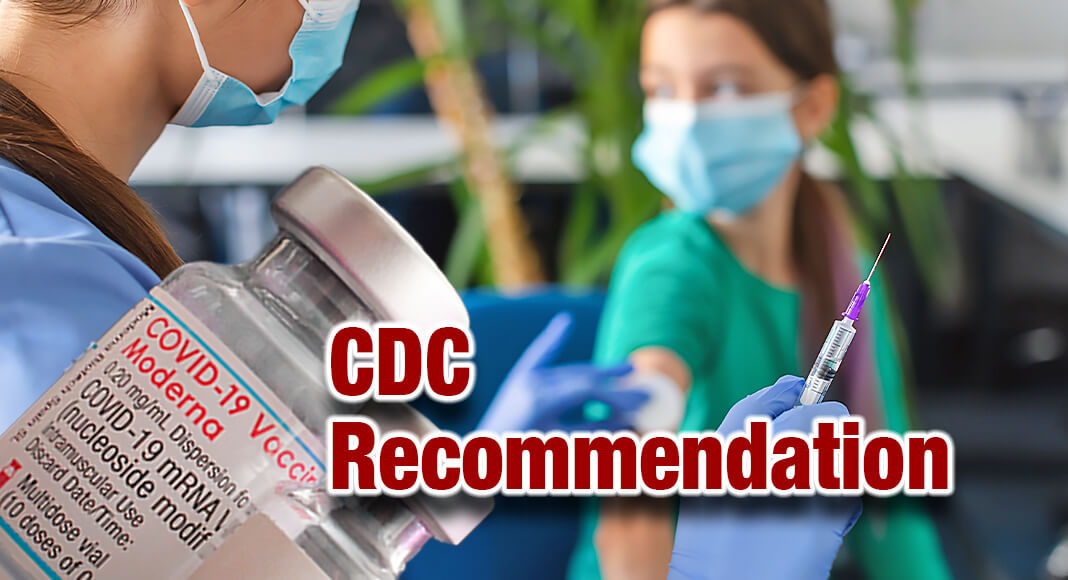
CDC Director Rochelle P. Walensky, M.D., M.P.H., endorsed the CDC Advisory Committee on Immunization Practices’ (ACIP) recommendation that Moderna’s COVID-19 vaccine be used as an option for children ages 6 through 17 years, in addition to its already recommended use in children 6 months through 5 years and adults 18 years and older. Image for illustration purposes

Mega Doctor News

- Advertisement -

CDC Director Rochelle P. Walensky, M.D., M.P.H., endorsed the CDC Advisory Committee on Immunization Practices’ (ACIP) recommendation that Moderna’s COVID-19 vaccine be used as an option for children ages 6 through 17 years, in addition to its already recommended use in children 6 months through 5 years and adults 18 years and older. 

This recommendation reinforces the use of Moderna’s COVID-19 vaccine as an important tool in the pandemic and provides another vaccine option for children and adolescents. The ACIP recommendation comes after a thorough review of the scientific evidence demonstrating safety and efficacy and supports the use of the vaccine among those 6 through 17 years of age.

The following is attributable to CDC Director Dr. Rochelle P. Walensky:

- Advertisement -

“It is critical that we protect our children and teens from the complications of severe COVID-19 disease. Today, we have expanded the options available to families by recommending a second safe and effective vaccine for children ages 6 through 17 years. Vaccinating this age group can provide greater confidence to families that their children and adolescents participating in childcare, school, and other activities will have less risk for serious COVID-19 illness.”


- Advertisement -
- Advertisement -

- Advertisement -

More Articles

STHS Children’s Earns National Recognition for Advancing Cardiac Arrest Survival Through High-Quality

Although sudden cardiac arrest in children is uncommon, it remains a life-threatening emergency that requires immediate, specialized care.

What to Know About the Cyclospora Parasite in Your Grocery Cart

You’ve probably seen the headlines about a parasite spreading across the United States and making people sick, but what exactly is causing it? 

STHS Children’s Free Food Safety Webinar for Parents on July 15th

Every meal should help children grow and thrive, not put their health at risk.

How Extreme Weather and Air Pollution Put Your Heart at Risk

It’s not just high temperatures that can put stress on the heart. Other environmental factors, such as air pollution, extreme cold, hurricanes, wildfires, and other climate events, can contribute to or worsen cardiovascular conditions.
- Advertisement -
