








How the Pandemic has Impacted the Diagnosis of Autism 

Translate to Spanish or other 102 languages!

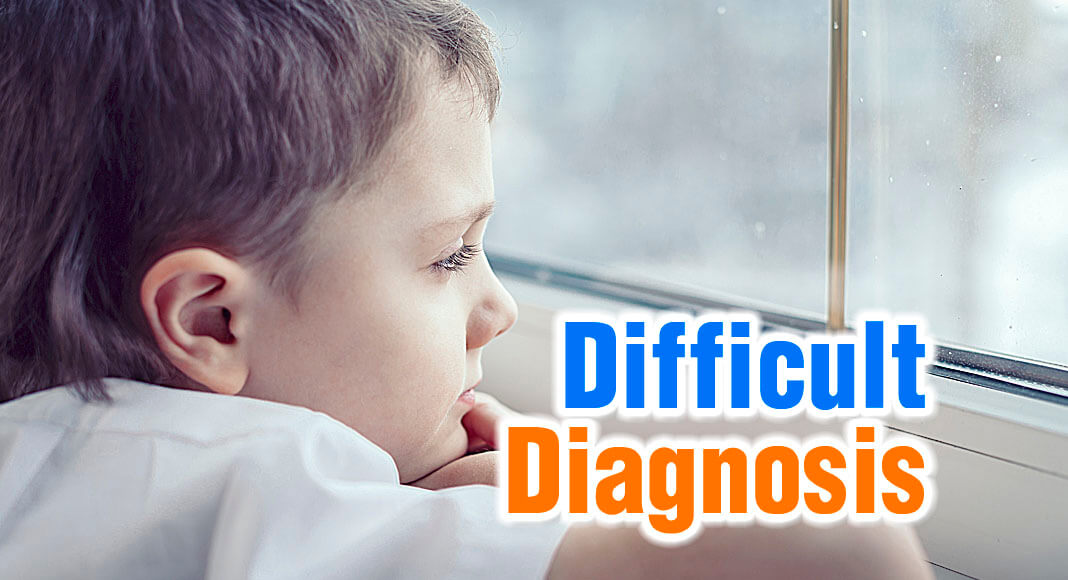
April is Autism Awareness Month. According to the CDC, about one in 44 children have autism spectrum disorder. However, isolation during the pandemic has made it difficult to diagnose.  Image for illustration purposes

Mega Doctor News

- Advertisement -

CLEVELAND CLINIC – April is Autism Awareness Month. According to the CDC, about one in 44 children have autism spectrum disorder. However, isolation during the pandemic has made it difficult to diagnose. 

“Because of our current situation with the pandemic, this is something that we’re seeing a lot, is that you’re not around as many kids. You’re not out. Parents don’t have as many examples of children to know are they just playing alone because they haven’t had a playmate in two years or are they just not interested in other people because they’re very shy and don’t know a lot of people outside of the family,” said Chiara Graver, behavior analyst for Cleveland Clinic Children’s. 

She said signs of autism spectrum disorder are wide ranging but can include a child not responding to their name, having limited communication at 18 months old and lacking certain social skills, like not making eye contact. 

- Advertisement -

Currently, there is no cure for autism, but there are various treatment options available. 

Graver said if you are concerned about your child’s behavior, it’s best to talk to their pediatrician who can then refer you to a specialist. She also emphasizes the importance of early intervention. 

“The early developmental period for any child is very critical and with autism, there is a lot of research which suggests that early intervention is key in kind of addressing some of those difficult and challenging behaviors,” she explained. 

Graver said researchers are still trying to determine what causes autism, but they believe it’s linked to both genetic and environmental factors. 

- Advertisement -
- Advertisement -

- Advertisement -

More Articles

Cedars‑Sinai Develops AI Platform to Guide Pancreatic Cancer Treatment Choices

A new tool co-developed by investigators from Cedars-Sinai Health Sciences University can predict which of two available chemotherapy options for pancreatic cancer would be more effective for an individual patient.

Texas Medical Board opens applications for new physician license pathways under DOCTOR Act

The Texas Medical Board has begun accepting applications for two new physician license categories created by House Bill 2038, known as the DOCTOR Act, expanding pathways for internationally trained physicians and medical school graduates who did not secure residency positions.

Texas to Ban SNAP Purchases of Candy and Sweetened Drinks Starting April 1, 2026

The Texas Health and Human Services Commission reminds Supplemental Nutrition Assistance Program (SNAP) recipients that they can no longer buy candy or sweetened drinks with their Lone Star Cards in Texas starting April 1, 2026.

The Power of Detecting Colorectal Cancer Early

Colorectal cancer is one of the most preventable forms of cancer, yet it remains one of the leading causes of cancer-related deaths worldwide. The difference often comes down to one simple but powerful factor: early detection.
- Advertisement -

