Mega Doctor News


By Rutgers Cancer Institute of New Jersey
Newswise — New Brunswick, N.J. – In recent years, colorectal cancer diagnoses and deaths among individuals younger than 50 years of age have increased, which has raised many questions about who should be screened for colorectal cancer and has even prompted the United States Preventative Task Force (USPTF) and American Cancer Society to update their screening recommendations. Patrick Boland, MD, medical oncologist in the Gastrointestinal Oncology Program at Rutgers Cancer Institute of New Jersey shares insight on this topic.
The Latest Statistics

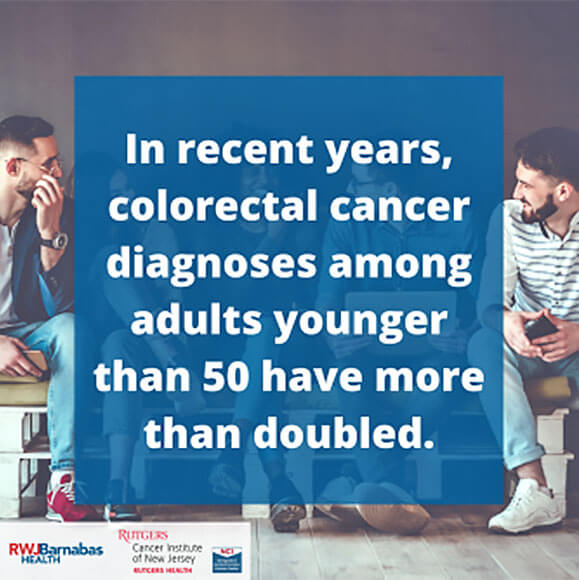
According to the National Cancer Institute, the rate of colorectal cancer in adults younger than 50 years of age has doubled since the 1990s. The most recent data, which tracked the incidence of colorectal cancer from 2011 to 2016, revealed an up to two percent per year increase among people under 50. It is estimated that by 2030, approximately 1 in 10 colon cancers and 1 in 4 rectal cancers will be diagnosed in people under 50 years old.
What we don’t know
The exact factor driving this rise in colorectal cancers in young patients remains unclear, but experts are actively working on this issue. Research suggests that lifestyle factors such as poor diet, obesity and heavy alcohol use can contribute to the onset of colorectal cancer, but none have been pinpointed as the exact cause of this recent trend. However, the risk of developing colorectal cancer is also related to factors that cannot be changed, such as age, race, and genetics.
What we know
While there is no single reason why colorectal cancer diagnoses and deaths are on the rise among young adults, there is a chance that earlier screenings along with recognizing the signs of colorectal cancer and taking them seriously could help curb this trend. Age 45 has been recommended as the new age for starting colon cancer screening tests, such as colonoscopy. If you have a family history of colorectal cancer, screening may need to start earlier. This should be discussed with your doctor. Some symptoms include rectal bleeding with or without pain, blood in the stool, a change in bowel pattern, bloating, cramping, weight loss without dieting or fatigue. While talking about these symptoms might seem embarrassing, it is important to talk to your doctor if you think something is wrong. Experts also recommend eating a balanced low-fat diet high in fruits and vegetables, reducing alcohol consumption, preventing or stopping tobacco use, and increasing physical activity are measures that people can take to help reduce their risk of colorectal cancer as well as other cancer types.