








Mega Doctor News
by American College of Allergy, Asthma and Immunology (ACAAI)
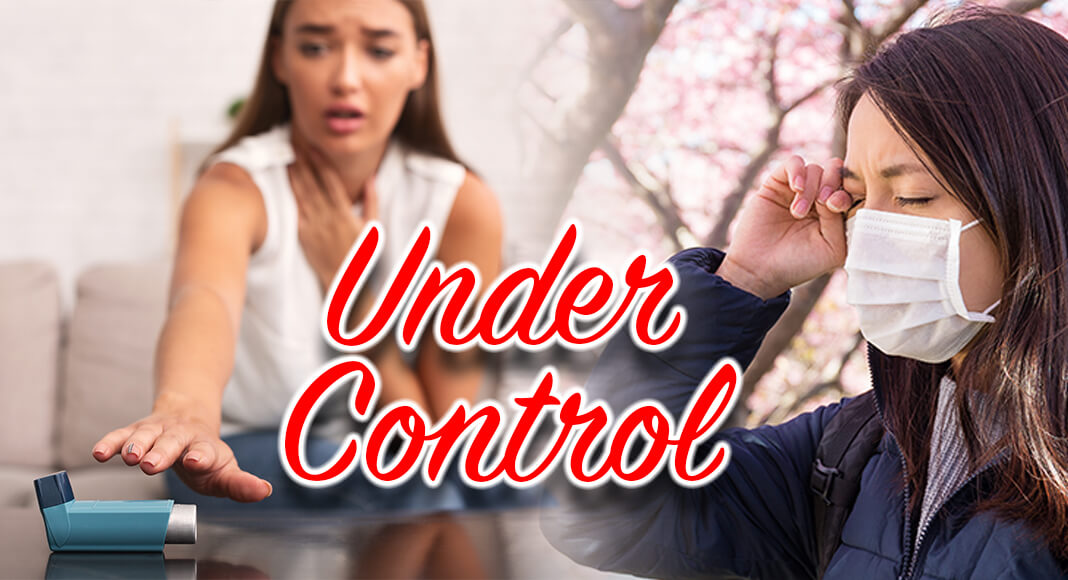
Newswise — New Year’s resolutions can feel overwhelming, and guilt-inducing if you can’t keep them. This year, why not assign yourself a few tasks to keep your allergy and asthma symptoms under control in 2022, while making sure you don’t get COVID-19?
“The best way to tackle health challenges is in small bits, and that goes for allergy and asthma control,” says allergist Mark Corbett, MD, president of the American College of Allergy, Asthma and Immunology (ACAAI). “The last few years have been hard on everyone, but you still want to figure out ways to improve your health routine. Making small, manageable adjustments is a great start to getting on a healthier path and seeing improvements in controlling allergy and asthma flares.”

Following are five New Year’s resolutions from ACAAI those who suffer from allergies or asthma may want to consider.
- It’s tried and true – get smoke out of your life – No list of New Year’s resolutions would be complete without the suggestion to quit smoking. If you or your kids suffer from asthma, you need to rid your house and your life of cigarette smoke. Secondhand smoke is particularly harmful to kids’ lungs, and studies have shown children with asthma who are exposed to secondhand smoke at home have nearly double the risk of being hospitalized than children with asthma who aren’t exposed.
- Do everything you can to avoid COVID-19 – With the virus still circulating in communities across the US, including the Delta and Omicron variants, experts expect a substantial number of cases this winter. There are precautions you can take, including vaccination, boosters, masking, and social distancing, to avoid you or your family members getting the virus. Anyone with a respiratory condition like asthma needs protection because you don’t want to end up in the hospital – either due to COVID or the flu. So, get your flu vaccine as well.
- Pay attention to your mental health – The stronger your emotional health, the better your body will feel and the more efficient you’ll be at staying healthy. Studies have shown stress can cause negative health effects, including more symptoms for allergy and asthma sufferers. Try calming therapies to improve symptoms. Consider downloading a meditation or relaxation app to use at night before bed. Soothing music can be beneficial, as can doing activities you enjoy that lift your spirit.
- See a board-certified allergist – Did you know that most people think their asthma is under control when it’s really not? You may also not know that allergists are trained to diagnose and treat asthma symptoms. An allergist can develop a plan tailored to your allergies and asthma to help you lead the life you want. The new year is the perfect time to set up an appointment with an allergist in your area, or to check in with your allergist if you haven’t seen them recently. ACAAI has an allergist locator to help you find an allergist near you.
- Make healthy eating a priority – If you have food allergies, you already know you must watch what you eat to avoid foods to which you’re allergic. You might also want to confirm – for both you and your kids with food allergies – that you always carry two epinephrine auto injectors with you, and that they are up to date. Teens and college kids sometimes avoid mentioning food allergies, so they won’t stick out among their peers. Encourage them to continue educating their friends and enlisting their help in the battle to stay allergen-free.


