Mega Doctor News

by Penn State College of Medicine
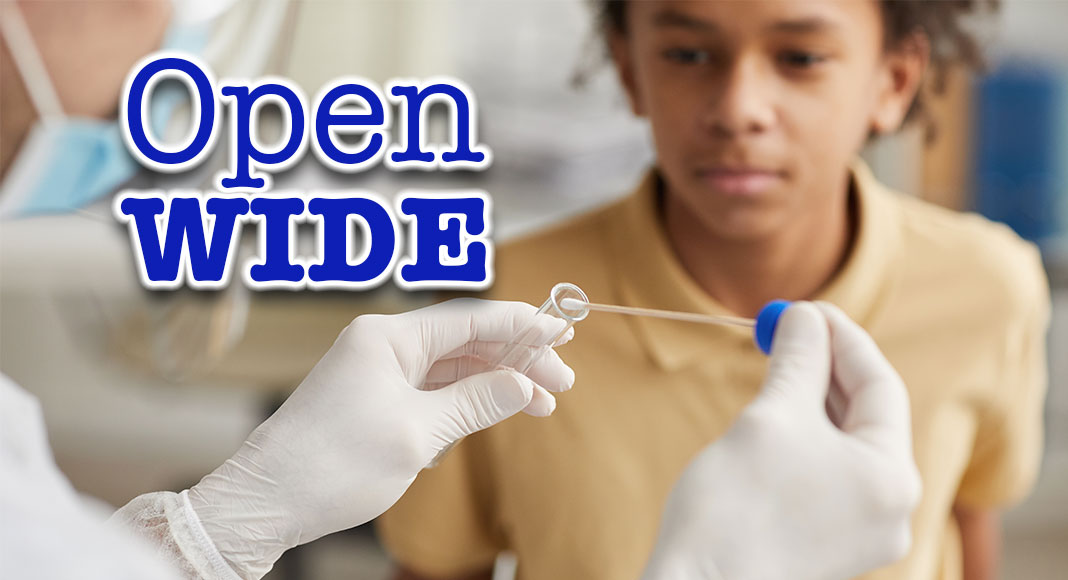
Newswise — Penn State College of Medicine researchers are involved in an ongoing study looking at the relationship between proteins called cytokines in saliva and COVID-19 infection to help predict the severity of infection. In a preliminary analysis of saliva samples from 150 children, the researchers found that levels of two cytokines were higher in those with severe COVID-19 compared to those without severe infection.
The study, to be presented at the 2021 American Academy of Pediatrics National Conference & Exhibition, is looking at cytokines and microRNAs (non-coding RNAs) in saliva in children. These biomarkers may control the inflammation in the body once infected with the virus and help determine the seriousness of the infection.

“Since pediatric COVID-19 infections are rising across the country, there is an urgent need to understand which children are at risk for severe infection,” said Dr. Steven Hicks, pediatrician at Penn State Health Children’s Hospital and coauthor of the study. “This non-invasive and painless method for determining COVID-19 severity could have the potential to help clinicians begin timely and appropriate treatment, which may improve patient outcomes.”
The majority of children with COVID-19 infection have had mild illness, but some children have developed severe complications such as respiratory failure or inflammation of the heart, Hicks and coauthors note. Cytokines are proteins found in blood and saliva that may be produced in response to an infection. Studies in adults have shown that certain cytokines are elevated in the blood of patients with COVID-19 and may predict how severe the illness will be.
The goal of the study is to be able to identify children at risk for severe disease by integrating these biomarkers and social determinants of health using artificial intelligence. The researchers are obtaining saliva samples from 400 children ages 18 and younger with COVID-19 infection who seek emergency medical care at two children’s hospitals: Children’s Hospital of Michigan and UPMC Children’s Hospital of Pittsburgh. Analysis of saliva samples is being performed at Penn State College of Medicine, while model development using artificial intelligence is being performed at Wayne State University.
In addition to finding that levels of two cytokines in the preliminary analysis were higher in those with severe COVID-19 compared to those without severe infection, dozens of microRNA levels were found to be altered, with the majority of them being significantly lower in the saliva of children with severe infection. Ongoing analysis will seek to validate these results and confirm the importance of saliva cytokines and microRNAs, combined with social factors, including where children live.