










What to Know about Breakthrough COVID-19 Infections

Translate to Spanish or other 102 languages!

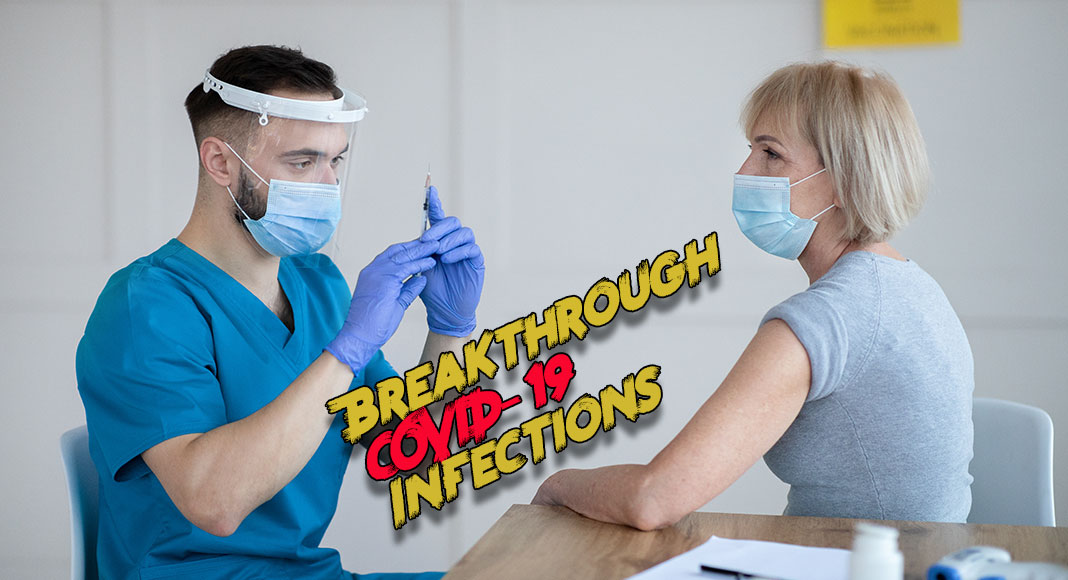
As the Delta variant continues to spread, more breakthrough infections are being reported among those who have been vaccinated for COVID-19. Image for illustration purposes.

Mega Doctor News

- Advertisement -

Cleveland Clinic – As the Delta variant continues to spread, more breakthrough infections are being reported among those who have been vaccinated for COVID-19.

“It’s not too unexpected that we are going to see breakthrough infections because we know that immunity doesn’t last forever,” explained Frank Esper, MD, infectious disease specialist with Cleveland Clinic. “We do this all the time with our influenza vaccine where everybody needs a vaccine every year. We also do it with the tetanus vaccine. Everybody is supposed to get it every five to ten years because your immunity wanes over time.”

Dr. Esper said even though the COVID-19 vaccine isn’t completely full proof, it will help to reduce the severity of symptoms if you were to get sick.


- Advertisement -

In fact, data shows a majority of patients currently hospitalized for the virus are not vaccinated.

He said if you are concerned about breakthrough infections, there are other measures you can take to protect yourself, like routinely washing your hands, wearing a mask and practicing social distancing.

However, the vaccine is considered the best line of defense.

“There’s not one single strategy that will prevent infection with this virus by itself. It’s really going to have to be multiple strategy all working together, at least right now. The best single thing you can do to protect yourself and those around you is to be vaccinated,” he explained.

- Advertisement -

Dr. Esper also notes the more people who get vaccinated, the harder it will be for the virus to mutate and potentially get worse.


- Advertisement -
- Advertisement -

- Advertisement -

More Articles

$5.5 Million in Grants Awarded to Expand Texas Healthcare Services

Three Statewide Preceptorship Program (SPP) grants were awarded totaling $5.5 million to professional medical societies in Texas. The grants support hands-on training for Texas medical students in family medicine, general internal medicine, and pediatrics, including pediatric subspecialties. 

STHS Shares Essential Summer Food Safety Tips

Because most foodborne illnesses are preventable, proper food safety practices are key to keeping every summer meal safe.

DHR Health Transplant Institute Earns Top State and National Rankings

The DHR Health Transplant Institute announced today that it has been recognized among the state’s and nation’s top performing kidney transplant centers, earning the no. 2 ranking in the State and no. 16 ranking in the Nation, according to the Scientific Registry of Transplant Recipients (SRTR).  

New Noninvasive Tech Tracks Infant Vital Signs Without Wires

In the neonatal intensive care unit, the most fragile patients in medicine are often the most heavily wired. Premature babies, some weighing less than a pound, can be tethered to a tangle of cables, monitors, and sensors. Each blood draw to check sugar levels or electrolytes means another needle, another bandage, another moment of stress for an infant whose skin is still forming.
- Advertisement -
