
Mega Doctor News

By Christina Elston / Cedars-Sinai Newsroom
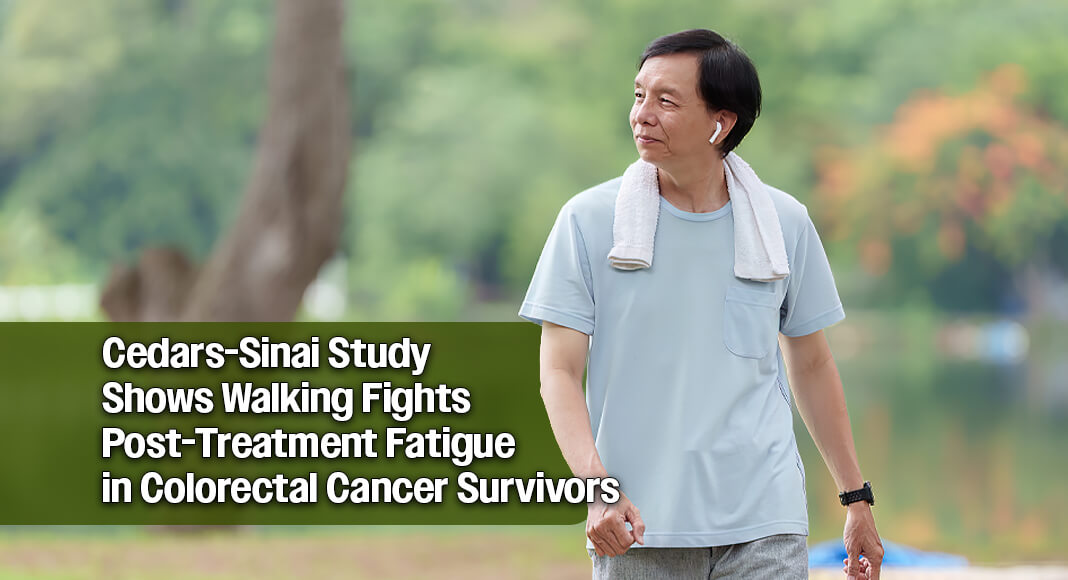
Consistent physical activity—especially walking—can reduce fatigue and improve quality of life for colorectal cancer survivors, according to a study led by Cedars-Sinai Health Sciences University investigators. Historically, nearly 40% of survivors have reported persistent fatigue, and the new findings, published in the Journal of the National Comprehensive Cancer Network (JNCCN), point to an accessible, low-risk path to relief.
Patients benefited if they began exercising any time during the first year after their diagnosis, the study found.

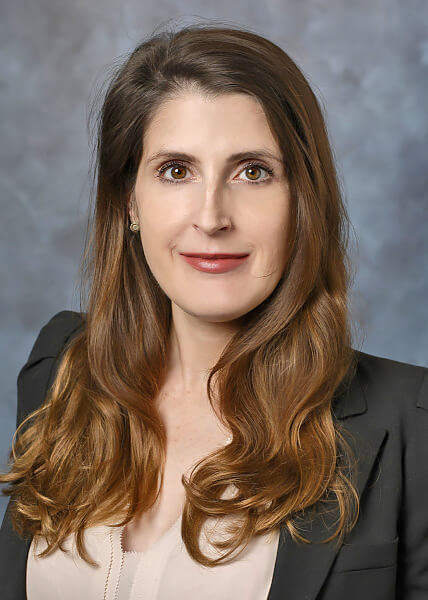
“Cancer-related fatigue is different from regular fatigue,” said Jane Figueiredo, PhD, program leader for the Cancer Prevention and Control Program and director of Community and Population Health Research at Cedars-Sinai Cancer, and corresponding author of the study. “These patients can’t sit at a desk to work, walk down the hall to the bathroom, or even dress themselves sometimes—and resting doesn’t help. Their fatigue affects their relationships with family and friends, and it can last for years after their treatment is over.”
Cancer-related fatigue can be brought on by multiple factors, Liu said, including disease-related breakdown of muscle tissue, side effects of treatment and the mental burden associated with having such a serious illness.
Previous studies have found that structured, closely monitored exercise plans can reduce fatigue, improve physical function and even boost overall cancer survival. In this study, investigators wanted to look at physical activity in a real-world setting, and to determine the amount and intensity of exercise that would best help patients, Liu said.
Investigators analyzed data from more than 1,700 patients with newly diagnosed colorectal cancer who participated in the ColoCare study, a large-scale study conducted at Cedars-Sinai and six other sites.
These patients reported how often they participated in physical activities—including walking, household chores and recreational sports such as swimming or yoga—for two years after their diagnosis. Patients also reported their level of fatigue, and measures of quality of life that included their emotional state, ability to focus and remember, and social engagement.
Most of the participants were cancer survivors who had completed their treatment. Patients who reported they regularly engaged in physical activity had significantly lower levels of fatigue and improved quality of life, with consistent walking showing the greatest positive impact. This was true even for patients who weren’t particularly active when they were diagnosed.
“I assumed that people engaging in more vigorous activities would have the best outcomes, but that wasn’t the case,” said Louisa Liu, MD, the study’s first author and a hematology-oncology fellow at Cedars-Sinai Cancer during the investigation. “We found that consistency, rather than the intensity of the exercise, was most beneficial. Walking can be self-paced and easily adapted to a patient’s energy level and physical ability, so patients who walked were better able to do it consistently.”
Figueiredo said that physical activity could address many factors causing cancer-related fatigue.
“Fatigue is a multidimensional issue, and physical activity can help improve everything from muscle mass and metabolism to mental wellbeing and functioning,” she said. “It’s encouraging to see such strong benefits from something so simple, accessible and low risk.”
Liu noted that the study’s findings need to be validated in more formal clinical trials, but that even now they can help patients and set the stage for future studies.
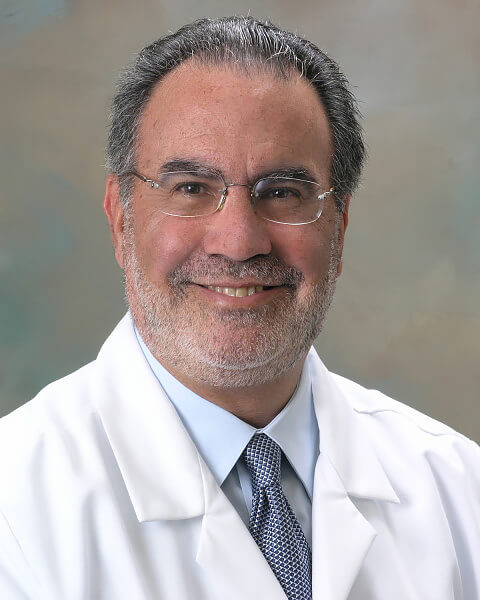
“Cancer is a complex disease that affects people in many ways,” said Robert Figlin, MD, interim director of Cedars-Sinai Cancer. “Our physicians and scientists are investigating every aspect to find real-world solutions that improve patient outcomes and patients’ daily lives.”
Additional Cedars-Sinai authors include Elham Kazemian, PhD; Nicole C. Loroña, PhD; Celina Shirazipour, PhD; Jun Gong, MD; Nathalie Nguyen, MPH; and Howard Kaufman, MD.
Other authors include Sylvia L Crowder, PhD; Victoria Damerell, PhD; Kathi Mooney, PhD; Mary C Playdon, PhD; Cornelia M Ulrich, PhD; Christopher I Li, MD, PhD; David Shibata, MD; Adetunji T Toriola, MD, PhD; Jennifer Ose, PhD; Anita R Peoples, PhD; Sheetal Hardikar, PhD; Erin M Siegel, PhD; Julienne E Bower, PhD; Biljana Gigic, PhD; Aasha I Hoogland, PhD; Xiaoyin Li, PhD; Brent J Small, PhD; and Heather S L Jim, PhD.
Funding: This work was supported by a grant from the National Institute of Nursing Research R01NR018762 (principal investigators: Drs. Jane C. Figueiredo and Heather S.L. Jim), and the ColoCare Study was supported by the National Institutes of Health U01 CA206110 (principal investigators: Drs. Cornelia M. Ulrich, Jane C. Figueiredo, Christopher Li, and Erin Siegel).
Information source: Cedars-Sinai