







Mega Doctor News

By American Heart Association
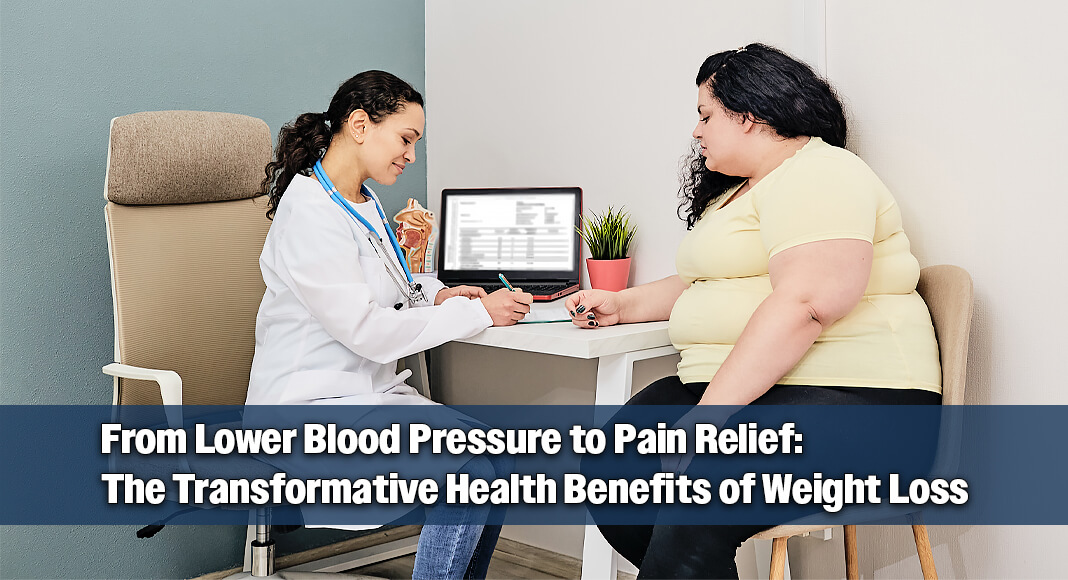
Talking about weight can be tough. Even someone who feels ready for a doctor’s help may find the conversation awkward.
People living with excess weight can feel judged, stigmatized or embarrassed, “or maybe they are unaware that their condition is something that needs to be medically taken care of,” said Dr. Deepika Laddu, an associate professor of preventive medicine at Northwestern University Feinberg School of Medicine in Chicago.

At the same time, doctors can also be reluctant to bring the subject up, said Dr. Sean P. Heffron, a preventive cardiologist at NYU Langone’s Center for the Prevention of Cardiovascular Disease and an assistant professor at the NYU Grossman School of Medicine in New York City.
“Physicians don’t do it as much as they should for multiple reasons,” said Heffron. Some fear how patients might react. Others may feel inadequately trained.
But it’s a crucial conversation (PDF), said Heffron, who led a review of obesity research published in Circulation Research in 2020. “Every organ system is adversely affected by excess body weight,” he said.
Excess weight is associated with increased risk of heart attack, stroke, heart failure and an irregular heartbeat known as atrial fibrillation, he said. It also can contribute to diabetes, high blood pressure and unhealthy cholesterol levels. And it’s a component of the overlapping conditions known as cardiovascular-kidney-metabolic syndrome.
Excess weight and obesity are also exceptionally common – and increasing. According to a report published in the journal Circulation in July, obesity now affects about 2 in 5 adults and 1 in 5 youths in the U.S.
If you’re debating whether to have a conversation about weight with your healthcare professional, here’s what you should know.
When should I worry about weight?
Focusing on a specific weight target can be helpful, Heffron said, but such goals should be set in discussion with a healthcare professional – because determining a healthy weight isn’t as simple as stepping on a scale.
“That’s a difficult thing to figure out,” Heffron said. Traditional measures such as body mass index, or BMI, which uses a person’s height and weight to estimate body fat, can have limitations.
According to standard BMI categories, adults with a BMI of 25 to 29.9 are considered overweight, while those with a BMI of 30 or higher are considered to have obesity.
But while aiming for a BMI of less than 25 is probably a reasonable goal for most people, Heffron said, determining an ideal weight “is largely more an art than a science, certainly on the individual level.”
Using waist size, or circumference, and other measures of body fat can help doctors get a more complete picture of health. Heffron considers whether a patient’s blood glucose, cholesterol and blood pressure levels are healthy, and whether weight is interfering with their life.
Your doctor is hoping you’ll ask
Given the health risks (PDF) from excess weight or obesity, if it’s time for a patient to lose weight, “the physician should bring it up,” Heffron said. “It’s their responsibility.”
But many things can get in the way of that conversation, said Laddu, a member of the obesity committee of the American Heart Association’s Council on Lifestyle and Cardiometabolic Health. Medical schools might not emphasize the topic, she said. Typical appointments are rushed, and not all doctors have the support team they need to assist patients with managing their weight or health goals.
Because of the social and aesthetic issues around weight, healthcare professionals are trained to ask permission before discussing it, Heffron said. But many simply may not want to upset their patients. Which is why he encourages them to raise the issue.
“I’ll be honest,” he said. In many cases, the doctor is probably relieved when a patient opens the door to that conversation. Once they do, “any physician worth their salt will walk right through it.”
Laddu agreed that it should go both ways. “A clinician shouldn’t wait for a patient to bring it up,” she said, “but a patient shouldn’t wait for the clinician to bring it up.”
How to prepare for the conversation about weight
You don’t have to do any homework, Heffron said. Just say you want to talk about weight. “A physician loves that.”
He suggested starting with basic questions such as:
- What do you think about my weight?
- Do I need to lose weight?
- Is my weight healthy?
- Is there something I can do?
Laddu suggested preparing a list of health questions to ask during an appointment. If you do, Heffron said, make sure weight tops the list. “Because unfortunately, physicians are very busy, and if it’s not No. 1, it may not end up being addressed.”
How obesity might be treated
“Personalized, individualized therapy (PDF) is absolutely crucial,” Laddu said. “There’s not a one-size-fits-all for every person who struggles with their weight.”
Medications such as GLP-1s, though, have changed the way doctors discuss weight loss, Heffron said, by giving them a relatively direct approach to treatment. That means in many cases, “physicians will probably spend the majority of the time talking about the medications, because that’s where their comfort lies.”
Ideally, the conversation should be broader, he said. Eating a healthy diet and getting enough physical activity remain important.
Someone without a lot of risk factors for heart disease might be managed well on such lifestyle changes alone, Laddu said. “If you have risk factors that are still in the manageable phase, lifestyle is going to be critically important for preventing them from progressing,” she said. Learning how to eat well and exercise is important for people on medications so that they can sustain the weight loss, and can also provide “a nice offramp” for people who don’t want to stay on medications forever.
Surgery can remain part of the discussion, Heffron said. However, these days, he said, some doctors are reserving that option “more and more so” for people with severe obesity.
How a conversation about weight might unfold
Laddu has seen a broad shift in views about obesity and excess weight, with more doctors understanding that it is not just a clinical condition, but one with psychological, social and behavioral components.
Two American Heart Association scientific statements she led offer a framework for healthcare professionals to discuss weight with their patients. It spells out five steps – assess, advise, agree, assist and arrange – and is, fittingly, called the 5A model.
In the initial phases, a physician listens to a patient’s concerns, learns about barriers they face and collaborates on a treatment plan, she said.
“It needs to be something that is agreed upon between the patient and the clinician,” she said. “It shouldn’t be seen as the clinician telling the patient what to do, but a mutual discussion on what the goals are, why these goals are important, and what is possible and realistic for a patient to make changes and stick with them.”
Then the healthcare professional offers specific advice. For example, if the agreed-upon goal is to walk 30 minutes a day and the patient says, “I don’t have 30 minutes, but I do get a 15-minute lunch break,” the physician might suggest a 10-minute walk while pointing out that the patient doesn’t have to get all 30 minutes at once.
In the later phases, the doctor arranges care with other experts, such as a nurse, registered dietitian or physical therapist. “The patient needs to feel supported – like somebody’s checking in on them, acknowledging their efforts,” Laddu said. “That is what motivates them to keep going.”
Health benefits of weight loss
Successful weight loss isn’t rewarding only to the patient, Heffron said. As a preventive cardiologist, he provides help that is usually invisible, managing important numbers such as blood pressure or cholesterol. But seeing someone achieve a healthy weight is both visible and tangible.
He cited a patient who recently called to thank him for helping her lose weight, which reduced knee pain and enabled her to walk again.
“It’s thrilling to get that feedback,” Heffron said. “And hopefully, I’ve also prevented a heart attack or two.”
Resources and support for healthy habits and weight management
A conversation about weight with your healthcare professional can be an important first step. Understanding how weight management affects your overall health can help you make informed decisions about your care.
The American Heart Association offers tools and support to help you get started:
- Explore weight and obesity resources.
- Access Healthy Eating resources and heart-healthy recipes.
- Connect with others through the Support Network.
- Participate in the Healthy Living BEYOND Weight Study.
- Sign up for the free Healthy for Good newsletter for expert-backed tips and inspiration.
Have questions about your health or care? The Association offers a free service to connect you with a trained Navigator for support and other health-related needs.


