







Mega Doctor News

McALLEN, Texas – Atrial fibrillation (AFib), the most common type of heart rhythm disorder, is on the rise in the United States due to an aging population, increasing rates of obesity and high blood pressure and the growing use of wearable devices that can detect irregular heartbeats.
Today, more than 10.5 million U.S. adults live with AFib, according to the Centers for Disease Control and Prevention (CDC), accounting for approximately 5% of the adult population.
“AFib causes the upper chambers of the heart to beat rapidly and irregularly, reducing blood flow and increasing the risk of fatigue, blood clots and stroke,” said Mazhar Khan, MD, FACC, a board-certified electrophysiologist with South Texas Health System (STHS) Clinics. “While some individuals experience symptoms such as a pounding or racing heartbeat, others may have no symptoms at all.”

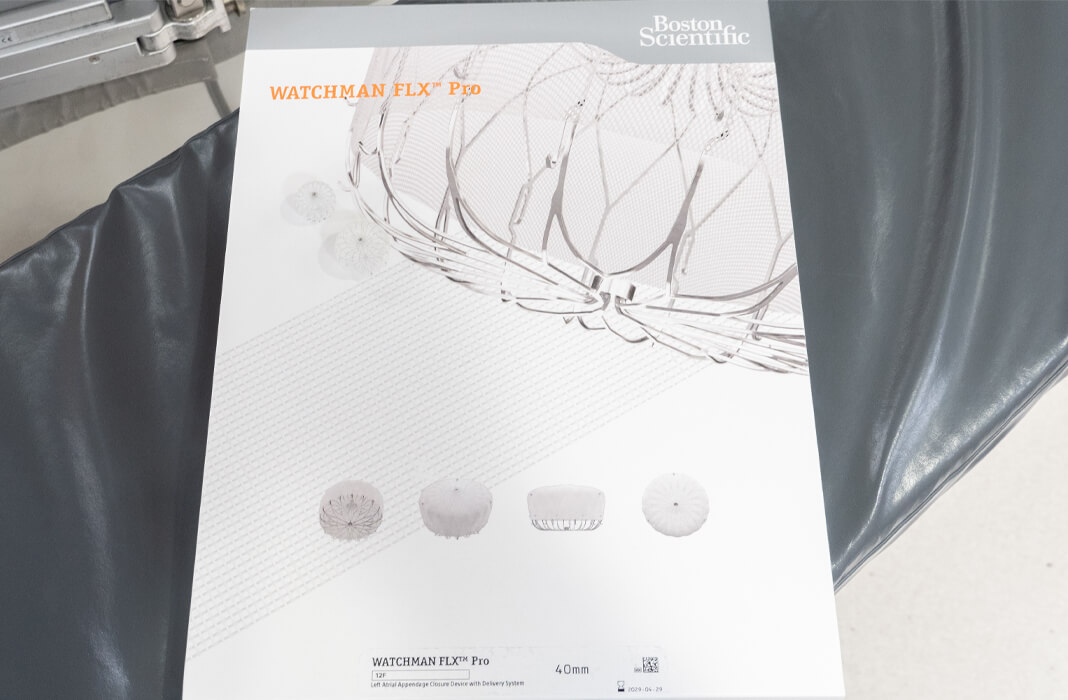
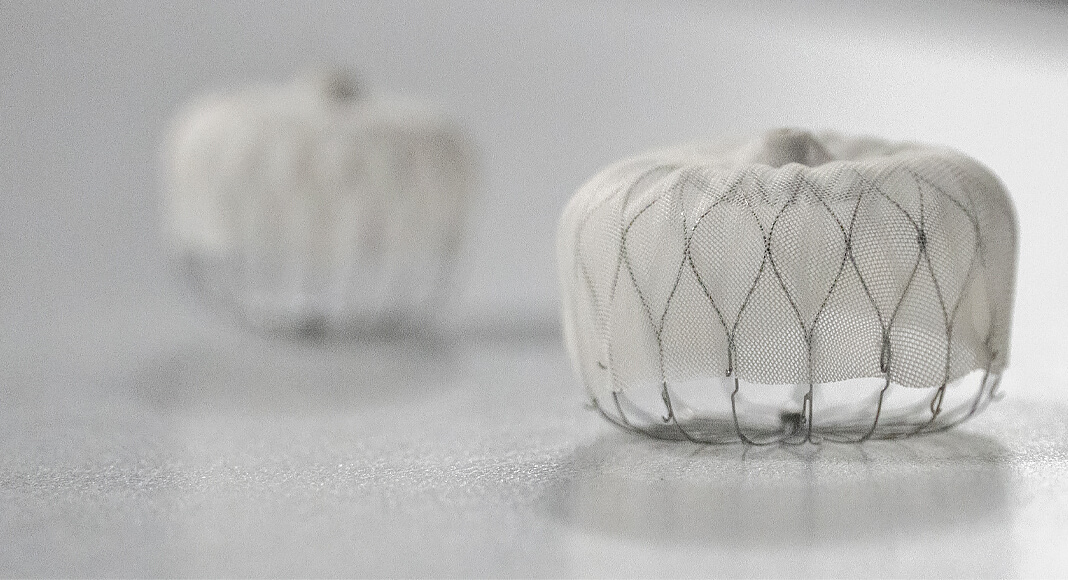
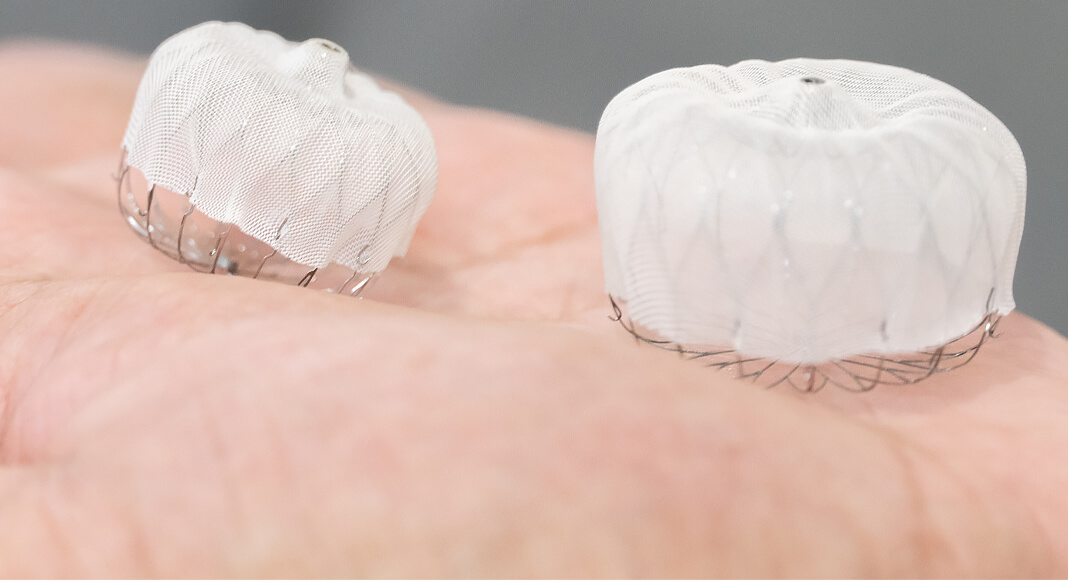
See the gallery below for more images of the Watchman Technology. Image courtesy of STHS
Long-term blood thinner therapy remains the primary treatment for preventing blood clots and reducing stroke risk in patients with AFib. While highly effective, these medications can increase the risk of excessive or prolonged bleeding, ranging from bruising and frequent nosebleeds to serious internal hemorrhaging, particularly in patients with non-valvular AFib.
To provide an alternative for select patients, STHS Heart now offers the WATCHMAN FLX™ Pro Left Atrial Appendage Closure (LAAC) Device, an advanced implant designed to reduce stroke risk without the lifelong use of blood thinners.
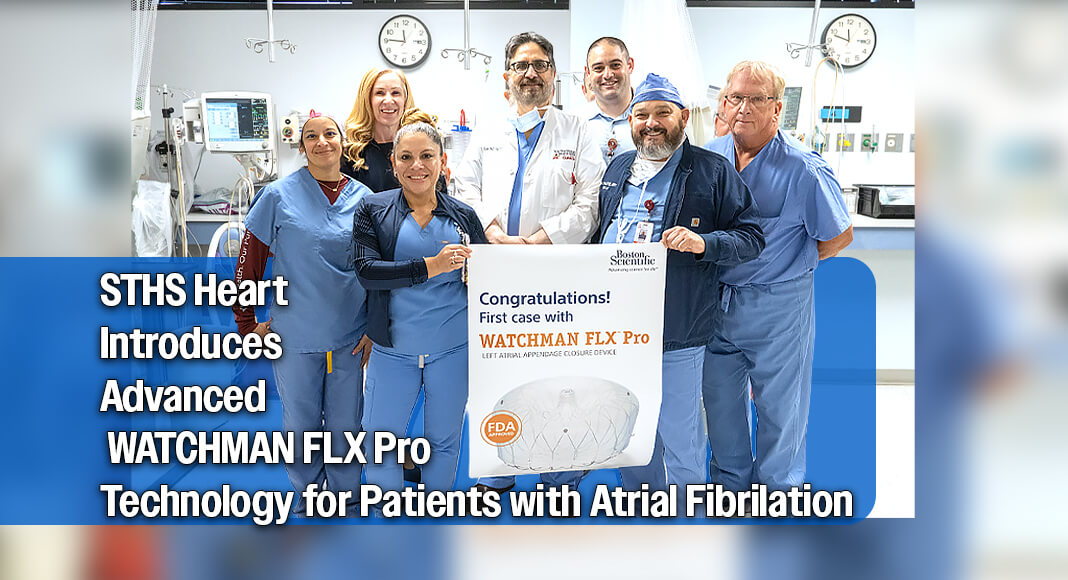
On August 14, Dr. Khan performed the first WATCHMAN FLX™ Pro implant at STHS Heart, becoming the first physician within STHS to utilize the next-generation technology for patients with non-valvular AFib.
Built upon the proven safety and procedural performance of the WATCHMAN FLX™ LAAC Device, the WATCHMAN FLX Pro features HEMOCOAT™ Technology, a permanent polymer coating designed to reduce the risk of device-related thrombus while supporting faster, more controlled healing. The device also includes enhanced visualization markers for precise placement and an expanded size matrix to accommodate a broader range of patients.
The WATCHMAN FLX Pro permanently seals off the left atrial appendage (LAA), the area of the heart where most stroke-causing blood clots associated with non-valvular AFib form. By preventing these clots from entering the bloodstream, the device can significantly reduce stroke risk and may allow patients to discontinue blood thinner therapy over time.
“For many patients with non-valvular atrial fibrillation, the WATCHMAN FLX Pro offers an effective alternative to long-term blood thinner therapy,” said Dr. Khan. “This next-generation technology allows us to reduce stroke risk through a minimally invasive procedure while expanding access to advanced cardiovascular care right here in the Valley. We’re proud to bring this innovative treatment to STHS Heart, providing eligible patients with a potentially life-changing option for stroke prevention while allowing us to treat a broader range of individuals.”
WATCHMAN technology has been implanted in more than 300,000 patients worldwide. The minimally invasive procedure is performed under general anesthesia and typically takes about an hour to complete.
Most patients stay overnight and return home the following day. Because the device is implanted within the heart, it cannot be seen or felt and does not need to be replaced.
“Innovation has been at the heart of STHS Heart since the facility opened its doors more than two decades ago,” said Brenda Ivory, Chief Executive Officer, STHS Heart. “As one of the first dedicated heart hospitals in the United States, we have continually invested in advanced technologies, highly skilled specialists and comprehensive cardiovascular services to meet the growing needs of our community. Bringing the WATCHMAN FLX Pro device to the Rio Grande Valley reflects our ongoing commitment to delivering the latest treatment options and ensuring residents have access to exceptional cardiovascular care close to home.”
If you or someone you know has non-valvular AFib, talk to your healthcare provider to learn whether WATCHMAN technology may be an appropriate treatment option. Individuals without a primary care provider can visit doctors.southtexashealthsystem.com to find a physician near them.
To learn more about the comprehensive cardiovascular services available at STHS Heart, including WATCHMAN technology, visit www.sthsheart.com.


