Mega Doctor News

Newswise — If you’ve ever experienced food poisoning, you probably wondered what caused it – and what you can do to keep it from happening again.
Now is a good time to take a fresh look at your food-safety habits. An ongoing outbreak of cyclosporiasis, a parasitic infection that causes watery diarrhea, has sickened thousands of people nationwide, according to the Centers for Disease Control and Prevention.

Dr. Poonam Bai, an infectious diseases physician at Penn State Health and assistant professor of medicine at Penn State College of Medicine, offers advice on how to avoid foodborne illnesses and what to do if you develop symptoms of food poisoning.
What are foodborne illnesses?
Foodborne illnesses, also called food poisoning, are different from a typical gastrointestinal bug, even though the symptoms and treatments are similar. Food poisoning can be caused by parasites, viruses, bacteria living in food or the toxins released by those bacteria.
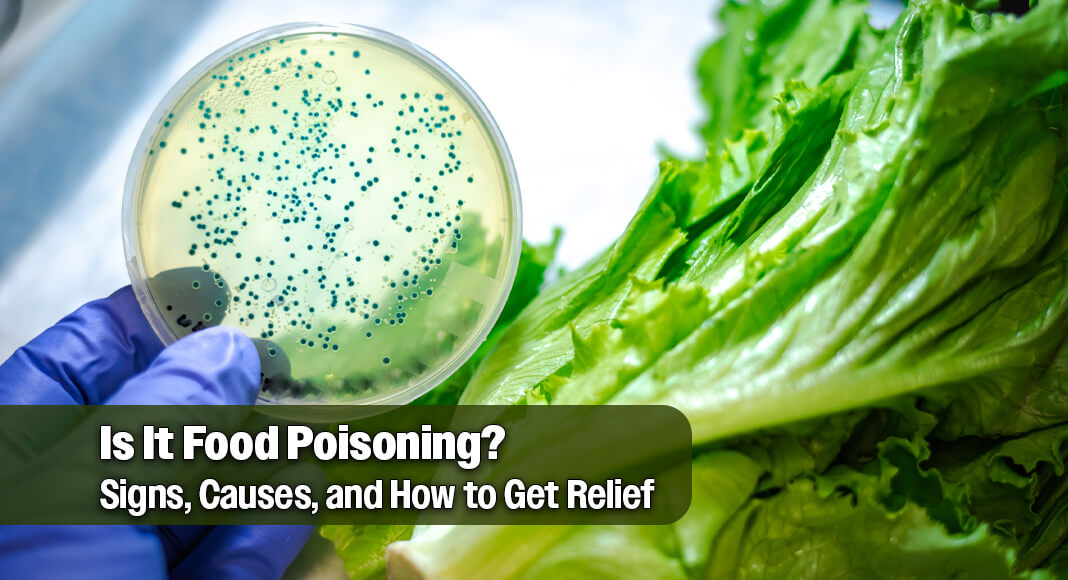
Leafy greens are among the most common culprits of foodborne illness, including the current cyclosporiasis outbreak, which has been linked to contaminated shredded iceberg lettuce.
However, the most common culprits of fatal cases of foodborne illnesses are contaminated meat and poultry. When food is mishandled, pathogens transfer from hands or surfaces onto the food. These foods can also become contaminated from being undercooked or not refrigerated properly.
What are the symptoms?
Bai says foodborne illnesses fall into two categories:
- The first is caused by toxins released by pathogens living in the food. Symptoms include nausea, vomiting and diarrhea within a few hours of eating the contaminated food. Because this type of food poisoning only lasts about a day, Bai recommends monitoring symptoms and focusing on rest and hydration. However, people should seek medical attention right away if they develop severe abdominal pain, high fever, bloody diarrhea or severe dehydration.
- The second category of food poisoning is caused by viruses, parasites like cyclospora or bacteria like Salmonella, Shigella or E. coli. This type of food poisoning causes more severe symptoms, like bloody diarrhea or severe abdominal pain, which require immediate medical attention and possibly antibiotics. Cyclospora tends to cause watery diarrhea, abdominal cramping, bloating, nausea, fatigue or weight loss, says Bai.
How can I avoid foodborne illnesses?
The best way to reduce your risk of food poisoning is to practice good hand hygiene. Wash your hands before handling food and make sure it is properly cooked and refrigerated.
“Make sure hot food stays hot and cold food stays cold,” Bai said.
Unfortunately, contaminated foods don’t necessarily look or smell bad. “It’s important to practice hand hygiene, cook your food properly and refrigerate it quickly, because there is no way to tell just by looking at it,” Bai said.
The lettuce linked to the cyclosporiasis outbreak has been recalled, though public health authorities are also investigating the possibility of additional sources.
Washing fresh produce doesn’t eliminate all bacteria, viruses or parasites, but it can help reduce risk, Bai said.
I have food poisoning. Now what?
Bai usually recommends a wait-and-see approach for most foodborne illnesses. The most important thing you can do is stay hydrated by drinking small sips of water or electrolyte-containing beverages like Gatorade. Eat bland foods like crackers or bananas in small amounts and rest to give your body time to recover.
However, if you suspect you have cyclospora, Bai recommends taking more proactive steps.
“Consumers should follow recall recommendations from the U.S. Food and Drug Administration and seek medical attention if they develop persistent watery diarrhea, especially after eating fresh produce or restaurant salads,” Bai said.
Symptoms of cyclosporiasis often emerge within one to two weeks of eating the contaminated food. Doctors can order a stool test to check for cyclospora.
“Fortunately, once recognized, cyclospora is a treatable infection, and early diagnosis helps reduce illness and prevent unnecessary complications,” Bai said.
If you test positive, treatment often includes a 10-to-14-day course of sulfamethoxazole and trimethoprim, an antibiotic that kills the cyclospora parasite in addition to bacteria. Doctors can also prescribe alternatives for people allergic to this class of medication. Seek medical attention for any stomach bug that causes bloody diarrhea, fever, severe or persistent nausea or vomiting, or symptoms of dehydration.