Mega Doctor News

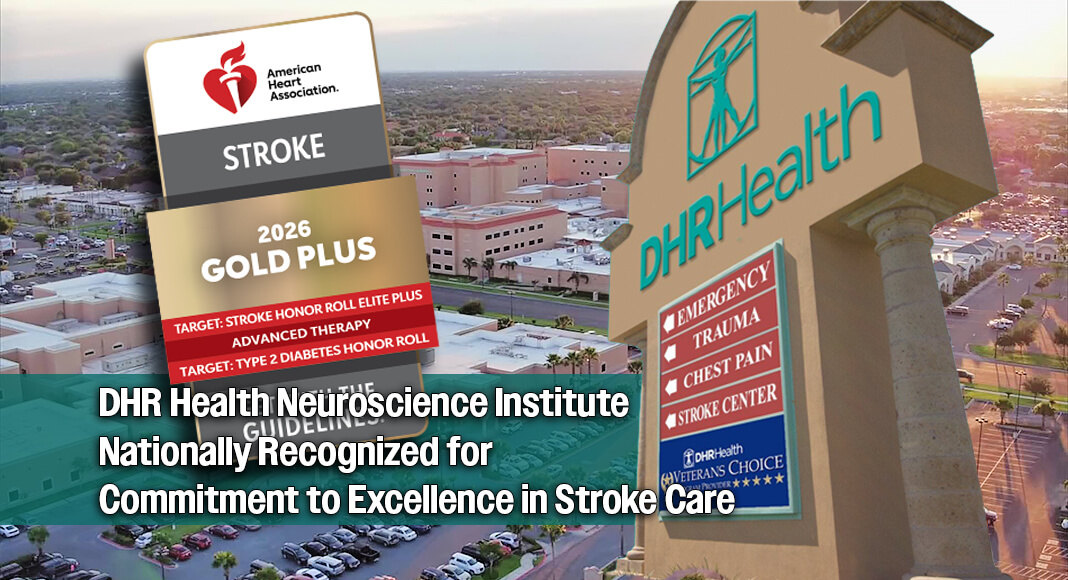
EDINBURG, Texas – DHR Health Neuroscience Institute received the American Heart Association’s Get With The Guidelines® – Stroke Gold Plus quality achievement award for its commitment to ensuring people experiencing a stroke receive timely, appropriate treatment based on nationally recognized, research-based guidelines, ultimately helping to save lives and reduce disability.
Stroke is the No. 4 cause of death and a leading cause of disability in the U.S, according to the American Heart Association’s 2026 Heart Disease and Stroke Statistics Report. A stroke occurs when a blood vessel supplying the brain is blocked by a clot or ruptures, preventing blood and oxygen from reaching brain tissue. When this happens, brain cells begin to die. Early detection and rapid treatment are critical to improving survival, minimizing disability, and supporting faster recovery.
Get With the Guidelines brings the expertise of the American Heart Association and American Stroke Association into hospitals nationwide, helping ensure patient care is aligned with the latest research- and evidence-based guidelines. Get With The Guidelines – Stroke is an in-hospital program designed to improve stroke care through consistent adherence to these guidelines, which can minimize long-term effects of stroke and help prevent death.

“At DHR Health, we are dedicated to providing the highest level of stroke care by following the latest evidence-based treatment guidelines and ensuring patients receive timely, life-saving care,” said Marissa Castaneda, senior executive vice president at DHR Health. “This program helps our teams put proven science into practice every day. Research shows this approach can support better recovery, with the ultimate goal of helping people in Rio Grande Valley live longer, healthier lives.”
Each year, participating hospitals qualify for the award by demonstrating how their organization has committed to providing quality stroke care. In addition to following clinical treatment guidelines, Get With The Guidelines participants also provide education to help people manage their recovery and ongoing health at home.
“We are proud to recognize DHR Health for its commitment to caring for people experiencing stroke,” said Steven Messe, M.D., volunteer chair of the American Heart Association Stroke System of Care Advisory Group. “Participation in Get With The Guidelines is associated with improved patient outcomes, including greater likelihood of being discharged home, fewer readmissions and lower mortality rates — a meaningful benefit for health care systems, families and communities.”
The DHR Health Neuroscience Institute received the American Heart Association’s Target: Stroke Honor Roll. To qualify for this recognition, hospitals must meet specific criteria that reduce the time between an eligible patient’s arrival at the hospital and treatment with thrombolytic therapy.
Additionally, DHR Health received the American Heart Association’s Target: Stroke Honor Roll Elite Plus Advanced Therapy award by meeting specific criteria that reduce the time between an eligible patient’s arrival at the hospital and treatment to remove the clot causing the stroke.
DHR Health also received the American Heart Association’s Target: Type 2 Diabetes™ Honor Roll award. This award aims to ensure patients with Type 2 diabetes, who might be at higher risk for complications, receive the most up-to-date, evidence-based care when hospitalized due to stroke.
The DHR Health Neuroscience Institute stands out as the first Joint Commission Certified Comprehensive Stroke Center and Level I Comprehensive Stroke Center in the Rio Grande Valley. In addition to providing stroke care, the DHR Health Neuroscience Institute provides care for brain and cognitive disorders such as Alzheimer’s and Dementia, general neurology care, seizure and epilepsy care and epilepsy surgery, neurological rehabilitation, and much more.
To make an appointment for stroke specialized care or other specialized neurology medical care, please contact the DHR Health Neuroscience Institute at (956) 362-8500.
Information source: DHR Health