

Someone in the United States experiences a stroke every 40 seconds, according to the Centers for Disease Control and Prevention (CDC), but the person facing this medical emergency may be younger than ever before.
In fact, strokes are increasingly affecting younger adults, with cases among individuals under the age of 50 rising by nearly 15% over the past decade, per the CDC.
This concerning trend is largely driven by a surge in preventable risk factors, including uncontrolled high blood pressure, diabetes, obesity and unhealthy lifestyle habits, conditions that are now developing earlier in life for millions of Americans.
“Stroke doesn’t discriminate by age the way many people think,” says Judith Garcia, a nurse practitioner with South Texas Health System (STHS) Clinics who specializes in vascular neurology. “Today, more Americans, especially younger adults, are at risk due to preventable health conditions, highlighting the urgent need for increased awareness and proactive prevention at every age.”

Understanding the warning signs and symptoms of stroke, such as loss of balance, vision changes and difficulty speaking, is critical, but acting quickly is just as important.
Delayed medical attention can significantly worsen outcomes. For every minute a stroke goes untreated, the brain loses an estimated 1.9 million neurons, increasing the extent of brain damage. This can greatly raise the risk of death, permanent paralysis, severe cognitive impairment and long-term disability.
“Stroke is a medical emergency where every second counts,” says Garcia. “The longer a person waits to seek care, the greater the damage to the brain and the higher the risk of serious, lasting complications. Acting fast is one of the most important steps someone can take.”
But protecting your brain health starts with prevention. Approximately 80% of all strokes are preventable, according to the CDC.
While certain risk factors, such as age and family history, are beyond your control, you can significantly reduce your risk through healthy lifestyle choices and by actively managing underlying medical conditions in partnership with your healthcare provider.
“It’s important to control high blood pressure, one of the leading causes of stroke that impacts so many individuals in our community,” says Garcia. “Keeping your blood pressure below 120/80 mm Hg is strongly recommended, along with monitoring it regularly and consulting your doctor about lifestyle changes or medication if it becomes elevated.”
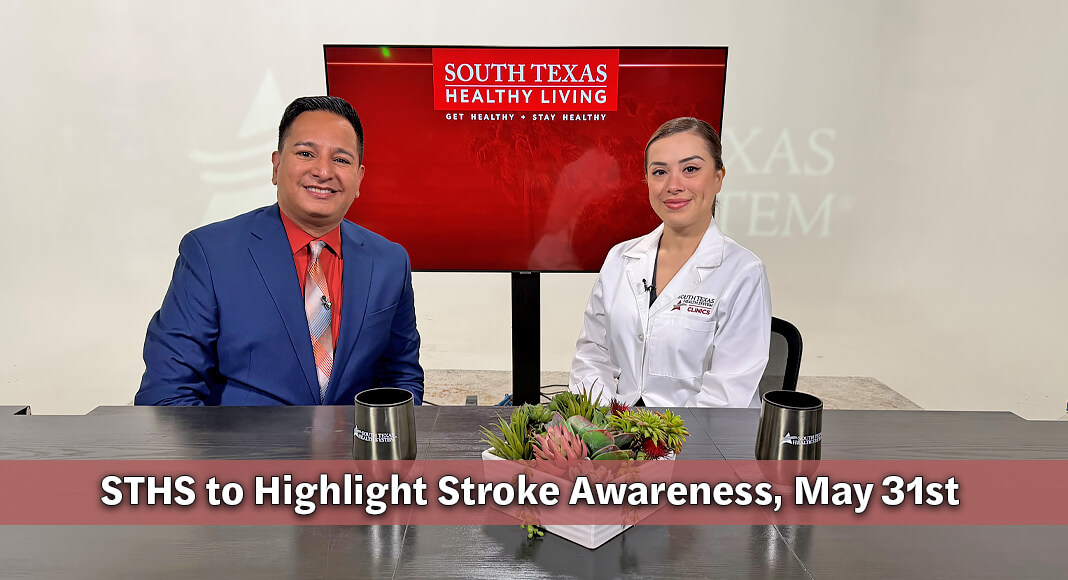
To help Rio Grande Valley residents better understand the life-threatening medical emergency, STHS will dedicate the latest episode of its monthly “South Texas Healthy Living” television program to stroke.
Broadcast live on Sunday, May 31, 2026, at 9:00 a.m. on KVEO NBC 23, the 30-minute episode will feature an indepth interview with Garcia, who will discuss the causes, risk factors and warning signs of stroke, along with current treatment options.
Additionally, STHS System Director of Marketing & Public Relations and “South Texas Healthy Living” host Tom Castañeda sits down with a McAllen woman who suffered a stroke at the age of 52. During the conversation, she shares the events leading up to her medical emergency, the lifestyle changes she has made to reduce her risk of a second stroke and offers heartfelt advice to others on taking proactive steps to protect their brain health.
The program will also feature a special healthy cooking segment led by Patrick Woodin, Director of Dietary & Nutrition Services at STHS McAllen, an exercise demonstration by a member of the STHS Edinburg Outpatient Rehabilitation Center team and important strategies to help prevent stroke.
“Along with working with your healthcare provider to manage underlying medical conditions that increase your risk of stroke, it’s important to protect your brain health by making simple, everyday choices like eating a healthy diet and staying active,” says Castañeda. “In this new episode of ‘South Texas Healthy Living,’ we’ll share practical tips, from quick exercises to easy nutrition ideas, to help you take better care of your brain health and reduce your risk of stroke as you work to get healthy and stay healthy.”
To learn more about stroke, be sure to tune in to the latest episode of “South Texas Healthy Living” on Sunday, May 31, at 9:00 a.m. on KVEO NBC 23, with an encore airing on Sunday, June 7, at 9:00 a.m. on KVEO-TV NBC 23.
To watch previous episodes of “South Texas Healthy Living” and the system’s South Texas Health Updates, one-minute videos offering education on a variety of health topics, visit South Texas Health System’s Medical Minute page on ValleyCentral.com.