




Mayo Clinic Minute: Recognize the Sudden Warning Signs of Stroke

Translate to Spanish or other 102 languages!

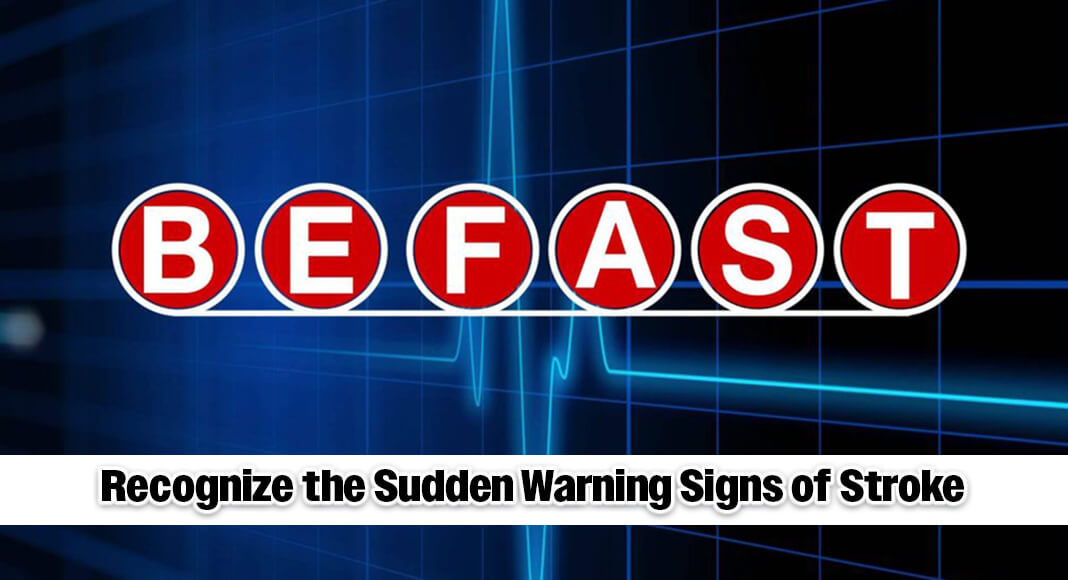
May is Stroke Awareness Month and knowing the signs and symptoms of stroke can save your life or the life of someone you care about. Stroke can happen suddenly, and every second counts when it comes to getting treatment. Doctors at Mayo Clinic say remembering a simple acronym — B.E.F.A.S.T. — can help you recognize the warning signs of stroke and act quickly. Image courtesy of May Clinic News Network
- Advertisement -

By Brandy Welvaer | Mayo Clinic News Network

May is Stroke Awareness Month and knowing the signs and symptoms of stroke can save your life or the life of someone you care about. Stroke can happen suddenly, and every second counts when it comes to getting treatment. Doctors at Mayo Clinic say remembering a simple acronym — B.E.F.A.S.T. — can help you recognize the warning signs of stroke and act quickly.

Watch: The Mayo Clinic Minute below:
- Advertisement -

Stroke is the No. 4 cause of death and a leading cause of disability in the U.S. About 1 in 4 people worldwide will experience stroke in their lifetime.
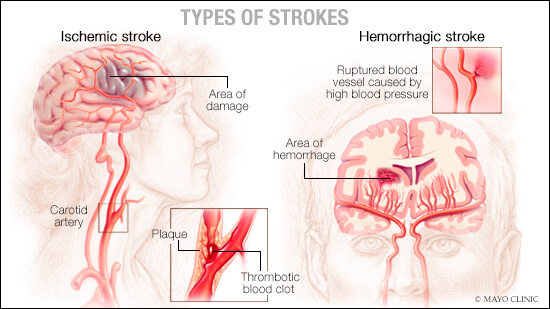
Mayo Clinic Graphic

A stroke happens when blood flow to the brain is blocked or a blood vessel bursts, causing brain cells to die within minutes. It is often linked to risk factors like high blood pressurediabetes, smoking, obesity and aging.

The American Stroke Association has updated the acronym it uses to help identify a stroke. B.E.F.A.S.T. (pronounced “be fast”) adds two letters — B and E — to the former acronym F.A.S.T. 

Each letter in BEFAST represents a warning sign of stroke — and recognizing them quickly can save a life.

- Advertisement -

B stands for balance. Sudden onset of loss of balance or coordination.

E stands for eyes. That’s going to be vision problems, sudden loss of vision in one eye or the other.

F is face. And so you’re going to look for facial drooping or facial weakness.

A stands for sudden onset weakness of one side of the arm, or one side of the leg on one side of the body.

S stands for sudden onset speech disturbance. So some difficulty in communicating or speaking

T stands for time just to remind us that time is brain. 

If you have someone that you think is having a stroke, it’s time to call 911. Recognizing the signs and acting quickly can make all the difference. And the good news is up to 90% of strokes may be preventable by managing risk factors and living a healthy lifestyle.

When someone suffers a stroke, every second counts. And the faster a patient receives treatment, the better the odds for a positive outcome. Recognizing B.E.F.A.S.T. and getting treatment quickly can minimize damage to the brain and minimize post-stroke complications.


- Advertisement -
- Advertisement -

- Advertisement -

More Articles

DHR Health Transplant Institute Earns Top State and National Rankings

The DHR Health Transplant Institute announced today that it has been recognized among the state’s and nation’s top performing kidney transplant centers, earning the no. 2 ranking in the State and no. 16 ranking in the Nation, according to the Scientific Registry of Transplant Recipients (SRTR).  

New Noninvasive Tech Tracks Infant Vital Signs Without Wires

In the neonatal intensive care unit, the most fragile patients in medicine are often the most heavily wired. Premature babies, some weighing less than a pound, can be tethered to a tangle of cables, monitors, and sensors. Each blood draw to check sugar levels or electrolytes means another needle, another bandage, another moment of stress for an infant whose skin is still forming.

STHS McAllen Receives National Award for Advancing Cardiac Arrest Care & Improving Patient Survival

In the moments following cardiac arrest, every second counts. Rapid intervention, seamless teamwork and evidence-based care can make the difference between life and death.

The Truth About Hot Dogs and Your Health

July is National Hot Dog Month. Reports show Americans eat roughly 20 billion hot dogs every year. While they’re okay to have on occasion, they shouldn’t be a regular part of your diet.
- Advertisement -