Mega Doctor News

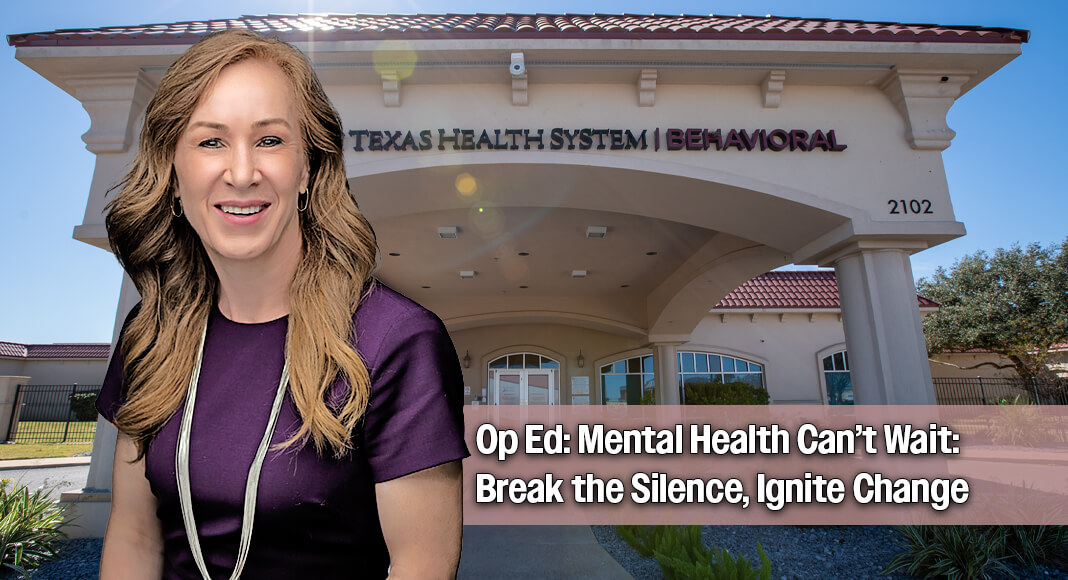
By Brenda Ivory
Interim Chief Executive Officer
STHS Behavioral

May is Mental Health Awareness Month, a national observance that has been recognized since 1949, but its message has never been more urgent. In the United States, nearly 1 in 5 adults is living with a mental health condition, and more than 1 in 20 experience a serious mental illness that significantly interferes with daily life.
Behind these numbers are our neighbors, coworkers, friends and family members – people whose struggles are often invisible, but deeply real.
At South Texas Health System Behavioral, I have the privilege of collaborating with dedicated professionals who care for individuals and families navigating these challenges every day. We see both the weight of unmet need and the extraordinary resilience of those who seek treatment. In every story, there is strength – and there is hope.
Yet the gap between those who need care and those who receive it remains significant. Recent data shows that tens of millions of Americans require mental health treatment each year, but many do not access it due to stigma, cost or uncertainty about where to turn. At the same time, we are seeing concerning trends: rising rates of anxiety, depression and suicide, particularly among young people, alongside increasing demand for crisis services across the country.
The message is clear: mental health can’t wait.
Encouragingly, there are also signs of progress. Awareness is growing. More people are talking openly about mental health than ever before, and innovations such as telehealth have expanded access to care. Integrated, trauma-informed treatment approaches – addressing mental health, substance use and physical health together – are helping individuals achieve more sustainable recovery. And importantly, we know that treatment works. Positive outcomes are not just possible; they are happening every day.
Mental Health Awareness Month is more than a moment – it is a call to action. Each of us has a role to play in breaking the silence and igniting change:
• Listen and show understanding. If you suspect a loved one is struggling, start with compassion. Listening without judgment can be the first step toward healing. Encourage them to seek professional support.
• Share resources that save lives. The 988 Suicide and Crisis Lifeline provides free, confidential support 24/7 via call, text or chat.
• Act in an emergency. If someone is in an acute medical emergency or immediate danger, call 911 or go to the nearest emergency room.
• Support the future of mental health care. We must inspire and invest in the next generation of mental health professionals who can meet the growing need for care. STHS Behavioral is proud to support training and mentorship opportunities that strengthen our workforce and our community.
Here at STHS Behavioral, we have been privileged to serve this community for over 30 years. If you or someone you know is struggling, our team is here to provide the help you need.
Know this: you are not alone. Call 956-388-1300 for a level of care assessment or visitSTHSBehavioral.com for more information.
Let’s commit to speaking openly about mental health. Let’s replace stigma with understanding, silence with conversation and barriers with access to care.