
Mega Doctor News

By Deb Balzer / Mayo Clinic News Network
Heart disease affects women differently than men, and understanding those differences can be lifesaving. Dr. Sharonne N. Hayes, a Mayo Clinic cardiologist and leading expert in the field of women’s heart health, says progress in research, treatment and prevention has accelerated but women still need better information.
Here are four things Dr. Hayes wants women to know, and do, when it comes to protecting their heart health.

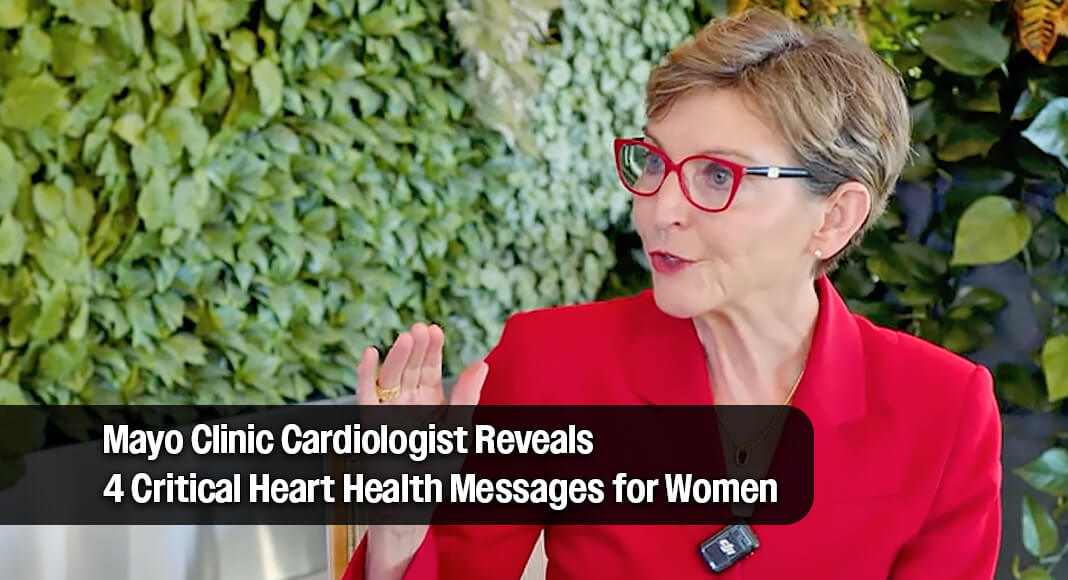
Watch: Dr. Sharonne N. Hayes talks about heart disease in women Video Courtesy of “Sharonne N. Hayes, M.D./Cardiovascular Medicine/Mayo Clinic”
1. Women get heart disease, and symptoms can be missed.
Dr. Hayes says there are conditions that disproportionately affect women including heart failure with preserved ejection fraction, microvascular dysfunction and heart attacks due to spontaneous coronary artery dissection (SCAD). As a result, women with chest pain or shortness of breath were sometimes told their hearts were fine, only to learn later they did have heart disease.
Women were also historically excluded from clinical trials, meaning researchers are still closing evidence gaps today. Dr. Hayes says women should trust their symptoms and continue advocating for answers when something does not feel right.
2. Knowledge and advocacy can change outcomes.
One of the most encouraging changes Dr. Hayes has seen is the rise of patient advocacy and access to health information. Women are more engaged, more informed and more willing to ask questions.
That shift is especially visible through advocacy organizations such as WomenHeart: The National Coalition for Women with Heart Disease. Women may arrive at the point of care frightened and unsure how to describe their symptoms, or they may feel alone in dealing with their diagnosis. Education, training and peer support can give them tools to feel more confident and empowered.
Dr. Hayes describes the transformation as powerful, driven by knowledge and by the support women find in one another.
3. The future of heart care is promising
Advances in cardiology are moving quickly. Dr. Hayes says treatments that once required open-heart surgery may now be replaced by less invasive procedures, and emerging therapies offer hope that future outcomes may differ from those of past generations.
Study design is important. Representation in research, including artificial intelligence, can influence how findings apply. Dr. Hayes notes the role of patient data breadth in the development of new tools.
4. Prevention starts with habits and partnership.
Dr. Hayes emphasizes that it is never too early or too late to improve heart health. Healthy habits adopted in childhood reduce future risk, and starting an exercise program later in life still improves heart health.
She says prevention comes down to three things: behaviors, choices and knowledge. Staying physically active, avoiding tobacco, and eating a heart-healthy diet that includes fruits, vegetables, whole grains and fewer processed foods all matter. Knowing personal health numbers, such as blood pressure and cholesterol, and understanding family history are also critical.
Equally important is working closely with a healthcare team. Medications should never be stopped without consulting a healthcare professional. If a treatment causes side effects or is not working, there are often other options, says Dr. Hayes, emphasizing the importance of patience and care teams working together to find solutions.
Information source: Mayo Clinic News Network