




Mega Doctor News

By Lourdes Medrano, American Heart Association News
The number of Hispanic organ donors in the U.S. has increased in recent years, but that growth has been slow. Although organs are not matched by race and ethnicity, a significant gap remains between donors and transplant candidates among Hispanic people.
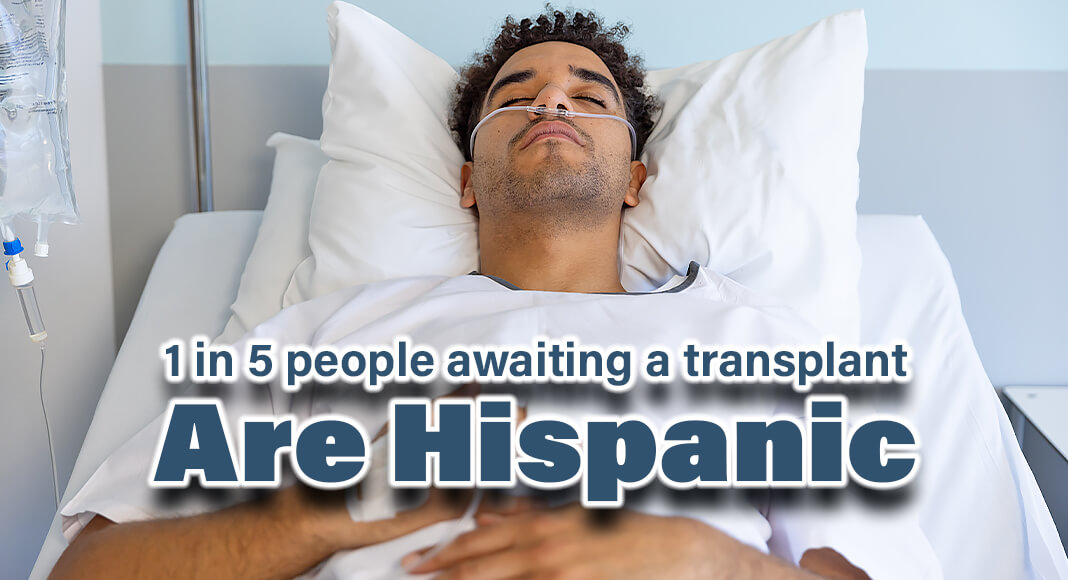
About 15% of organ donors in 2023 were Hispanic, federal data shows. That’s about a percentage point higher than 10 years earlier. However, as of mid-April, nearly 23% of the more than 103,000 transplant candidates on the waiting list in the U.S. are Hispanic. In fact, 59% of transplant candidates are Black, Hispanic or Asian people.

Transplants between people of different races and ethnicities are frequently performed successfully, said Dr. Ravi Dhingra, medical director of the advanced heart failure and transplant program at Medical College of Wisconsin in Milwaukee.
But having a diverse pool of donors can make it easier to match them with someone on the waiting list, according to the federal Health Resources and Services Administration.
Part of the reason Hispanic people may be less likely to donate organs may be cultural, but “I would say it’s more of a trust issue,” Dhingra said.
To help increase understanding, Dhingra and Dr. Hector Ventura, section head of heart failure and heart transplant at the Ochsner Clinic Foundation in New Orleans, answer questions about organ donation.
Why are organ donations important?
Simply put, organ donations save lives, experts say. Doctors can transfer a heart, liver, lung or another vital organ to someone in need.
Each donor can save eight lives and help 75 others, according to HRSA. Last year, a record 46,630 transplants were performed in the U.S. from all donors.
Organ transplants can be performed with living and deceased donors. Organs are matched with people on the national waiting list based on factors such as blood type, body type and how critically ill someone in need of a transplant may be.
“There are still a lot more people on the waitlist nationally, and we still need more hearts to do transplants to help patients,” Dhingra said. “Up to this time, close to 20% of patients still die waiting for a heart.”
Does racial and ethnic diversity matter in organ transplants?
According to LifeSource, the nonprofit that helps hospitals with the organ procurement process, compatible blood types and tissue markers are more likely among people of the same ethnicity. So, a more diverse donor pool increases the chances for a match.
Hispanic people make up about 19% of the U.S. population but face a disproportionately higher risk for diabetes, obesity, high blood pressure and other health conditions that could lead to heart disease and organ failure, according to a 2015 Centers for Disease Control and Prevention report.
In 2023, Hispanic people received 8,540 transplants, including 580 hearts – a record number for both.
Why might Hispanic people not donate?
Hispanic people who choose not to become donors may lack trust in the health care system as a result of limited access to medical care and the feeling of being treated differently by health care professionals, Dhingra said.
There are also misconceptions about donating, such as the notion that organs can be taken without permission. But that isn’t true, he said. At the time of someone’s death, if they are not found in the state or national organ donor registry, their next of kin or legally authorized representative is approached about the donation.
Some people might not consider donating for religious reasons. But Ventura noted that most major religions support organ donation.
More awareness about organ donation must be raised among the Latino population, particularly in Spanish, he said. “If you do a campaign to explain what it is, that might change their minds.”
Why should Latino people consider becoming donors?
Each day, 17 people die waiting for an organ transplant, according to HRSA.
Organ donors “definitely help not just one person but many patients if the organs of liver, kidney, eyes, heart and lung can be donated,” Dhingra said. “People should think about it in a way that their loved ones are carried on in another person’s body.”
How to become an organ donor
People can sign up to be an organ donor at the state or national level. You also can register when you obtain a driver’s license.