



Mega Doctor News


CDC’s Environmental Public Health Tracking Network (Tracking Network) is a dynamic surveillance system that provides information and data about environmental hazards and the health problems that may be related to them. It presents what we know about where environmental hazards exist, where exposures happen, and how targeted action can protect health, reduce illness, and save lives. The Tracking Network is a unique resource that brings together environmental and health information that cannot be found, or is hard to find, anywhere else.
Extreme Heat and Your Health
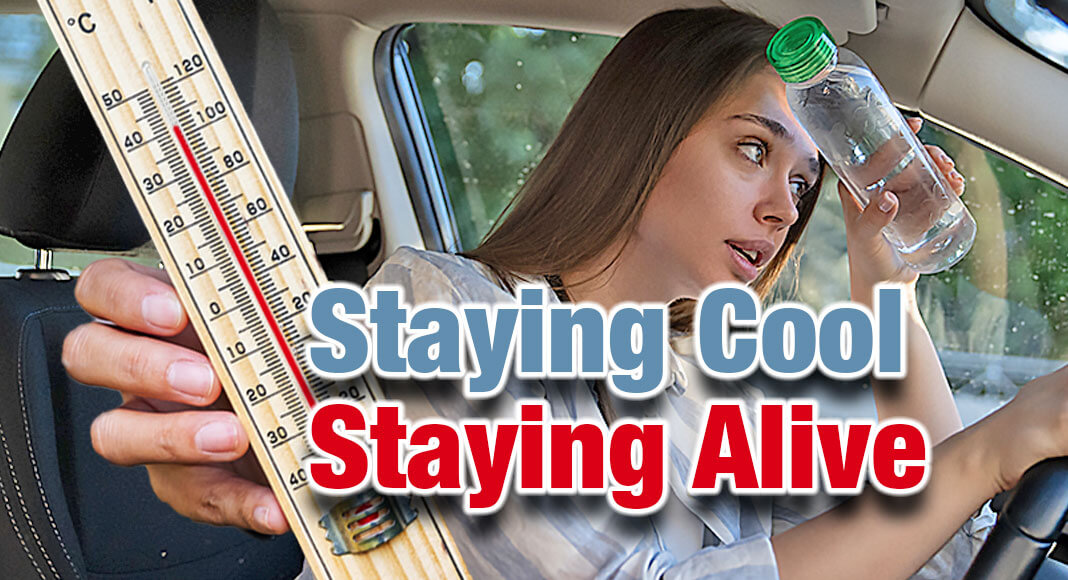
Extreme heat events, or heat waves, are one of the leading causes of weather-related deaths in the United States. When temperatures rise in the summer, extremely hot weather can cause sickness or even death. Heat stress is heat-related illness caused by your body’s inability to cool down properly. The body normally cools itself by sweating. But under some conditions, sweating just isn’t enough. In such cases, a person’s body temperature rises rapidly. Very high body temperatures may damage the brain or other vital organs.

Extremely hot weather can make you sick. Stay cool and hydrated to protect yourself.

Tracking Heat-related Illness
The Tracking Network hosts data on heat and heat-related illnesses throughout the United States. You can explore data on heat-related emergency department visits, hospital stays, and deaths. In addition, you can examine forecasted and historical extreme heat data along with data on what may make people at greater risk for heat-related health effects.
Understanding a preventable illness such as heat stress can help public health professionals protect people by
- finding patterns of risk,
- planning public health programs and activities,
- preparing for and responding to emergencies, and
- deciding how well the actions worked.
Prevent Heat-related Illness
Heat-related illnesses or death are preventable if you follow a few simple steps.
- Stay in an air-conditioned area during the hottest hours of the day.
- Wear light, loose-fitting clothing.
- Drink water often. Don’t wait until you are thirsty.
- Avoid unnecessary hard work or activities if you are outside or in a building without air-conditioning.
- Avoid unnecessary sun exposure. When in the sun, wear a hat, preferably with a wide brim.
Air conditioning is the strongest protective factor against heat-related illness. Exposure to air conditioning for even a few hours a day will reduce the risk for heat-related illness.
Tracking in Action
The Tracking Network is used across the country to help states and cities prepare for summer and periods of extreme heat and to prevent illness.
- Explore CDC’s Heat & Health Tracker to see how extreme heat affects your county, populations that are at risk, and resources for response.
- Learn how several New England states used Tracking data to inform revision of a heat advisory policy.
- See how Missouri’s Tracking Network is used to map cooling centers for the public.
- Read about the Minnesota Tracking Program’s efforts to better track heat and related health problems.
- Discover how data from the New York City Tracking Program have been used to inform city planning for extreme heat events.
Read more Tracking in Action stories to see what is happening in other states.