





Why You Still Feel Tired After Sleeping

Translate to Spanish or other 102 languages!

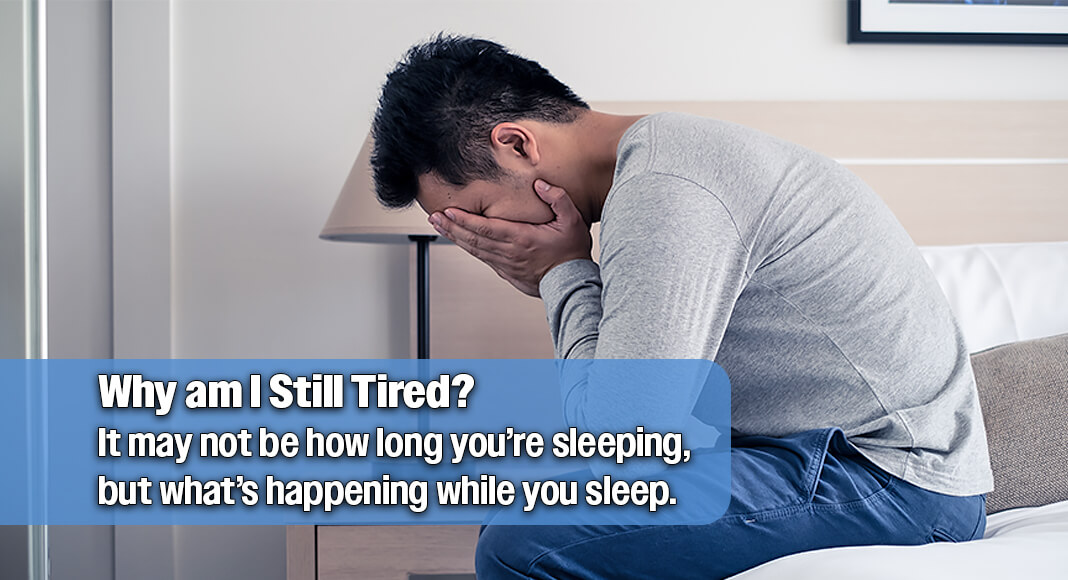
Are you getting the recommended amount of shut-eye but still waking up tired? The issue may not be how long you’re sleeping, but what’s happening while you sleep. Image for illustration purposes
- Advertisement -

CLEVELAND CLINIC – Are you getting the recommended amount of shut-eye but still waking up tired? The issue may not be how long you’re sleeping, but what’s happening while you sleep.

“The one thing we look for in our sleep center most often is the risk for what we call sleep apnea, which is a condition where you either stop breathing, or you’re not breathing as well as you could while you sleep,” said Alicia Roth, PhD, a sleep psychologist for Cleveland Clinic.

Dr. Roth explained that sleep apnea causes you to wake up frequently.

- Advertisement -

You may not even remember waking up, but it’s stopping you from getting a restorative, deep sleep.

Dr. Roth said caffeine, alcohol and nicotine can also cause disruptions throughout the night.

Along with not getting enough sleep, oversleeping can actually leave you feeling drowsy as well.

If you’re still feeling tired after changing some habits, Dr. Roth recommends checking in with your doctor.

- Advertisement -

“Certain vitamin deficiencies as well as hormone imbalances, including testosterone levels and hormonal changes during menopause, can cause fatigue,” Dr. Roth said. “Working with your doctor to get blood work done can help identify if any of these factors are contributing.”

Dr. Roth added that your doctor can also determine whether more tests are needed to check for sleep apnea or other sleep disorders.


- Advertisement -
- Advertisement -

- Advertisement -

More Articles

What Persistent Fatigue Might Be Telling You

Mega Doctor News CLEVELAND CLINIC - We’ve all had those days where we’re...

AMA Unveils New Initiative to Boost Nutrition Education Nationwide

The American Medical Association (AMA) is launching a nutrition education initiative to equip physicians and medical students with practical, evidence-based knowledge and tools to help patients live healthier lives.

DHR Health to Host Headache Symposium to Address Gap in Neurological Care, March 28th

In the United States, headaches remain a common health concern, affecting approximately one in six Americans. Migraines, a type of headache, are the second leading cause of years lived with disability nationwide.

Study Finds GLP‑1 Therapy Reduces Heart and Kidney Risks for Type 1 Diabetes Patients

People with type 1 diabetes who took GLP-1 receptor agonist (GLP-1-RA) drugs for weight loss or better blood-sugar control had significantly reduced risks of major cardiovascular events and end-stage kidney disease without any increase in safety concerns, according to a study led by researchers at the Johns Hopkins Bloomberg School of Public Health.
- Advertisement -