








What You Should Know About Cardiac Arrest

Translate to Spanish or other 102 languages!

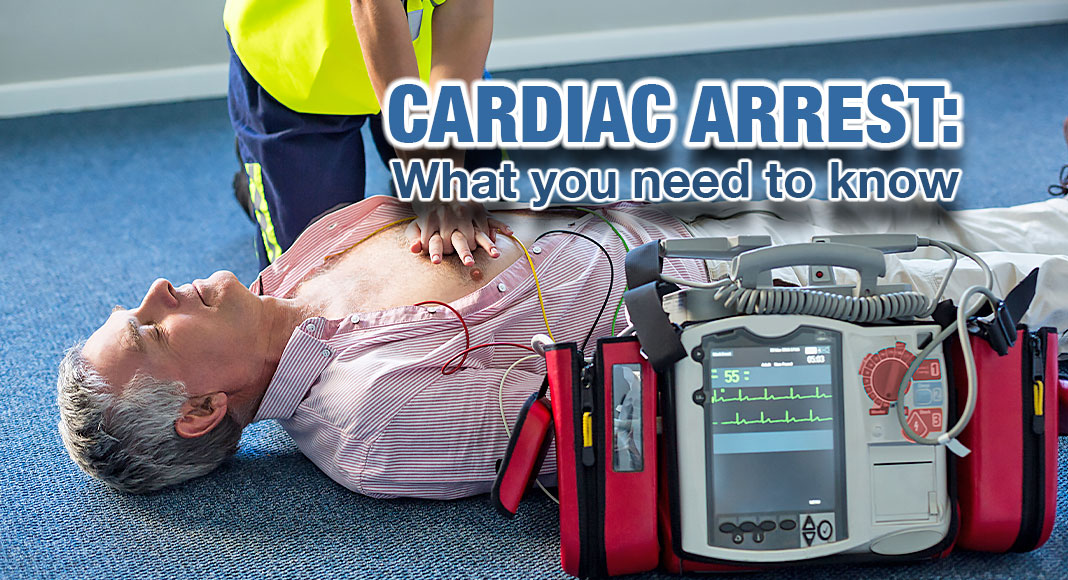
Dr. Emery said cardiac arrest can happen for all kinds of reasons, so it’s hard to say what exactly happened with Damar Hamlin. Image for illustration purposes

Mega Doctor News

- Advertisement -

CLEVELAND CLINIC – After Buffalo Bills player Damar Hamlin went into cardiac arrest during Monday night’s game against the Bengals, many fans are left with a lot of questions — like what exactly is cardiac arrest?

“Cardiac arrest is a sudden electrical problem with the heart, so the heart electricity becomes so chaotic that the heart can’t beat and pump blood to the rest of the body anymore,” explained Michael Emery, MD, sports cardiologist with Cleveland Clinic.

Dr. Emery said cardiac arrest can happen for all kinds of reasons, so it’s hard to say what exactly happened with Damar Hamlin.

- Advertisement -

That will be for his doctors to determine.

When it comes to cardiac arrest, there are often no warning signs. It just happens suddenly.

However, they can include chest pain, nausea and vomiting and shortness of breath before fainting. 

Dr. Emery said since cardiac arrest can be fatal, every second counts, so it’s important the individual receives CPR or defibrillation right away.

- Advertisement -

“Prompt recognition and prompt defibrillation in the setting of sudden cardiac arrest are keys in survival,” he said. “Your survivability declines 7 to 10 percent for every minute that defibrillation is delayed, or restoration of sinus rhythm or spontaneous circulation is delayed.”      

Dr. Emery also notes that it’s too early to talk about Damar Hamlin’s long-term prognosis.

He said there are a lot of factors to consider. Right now, the goal will be keeping him stabilized.  

- Advertisement -
- Advertisement -

- Advertisement -

More Articles

AMA Unveils New Initiative to Boost Nutrition Education Nationwide

The American Medical Association (AMA) is launching a nutrition education initiative to equip physicians and medical students with practical, evidence-based knowledge and tools to help patients live healthier lives.

Study Finds GLP‑1 Therapy Reduces Heart and Kidney Risks for Type 1 Diabetes Patients

People with type 1 diabetes who took GLP-1 receptor agonist (GLP-1-RA) drugs for weight loss or better blood-sugar control had significantly reduced risks of major cardiovascular events and end-stage kidney disease without any increase in safety concerns, according to a study led by researchers at the Johns Hopkins Bloomberg School of Public Health.

The Silent Toll of Substance Use on Today’s Young Adults

Mega Doctor News by University of Michigan Newswise - Young adults who heavily use substances...

New Study Identifies Hormone Linking Obesity to Pancreatic Cancer

Mega Doctor News by Yale School of Medicine Newswise — Obesity increases the body's need...
- Advertisement -

