



Texas Border Business
CLEVELAND CLINIC – With warmer weather here, we’re not the only ones welcoming the change.
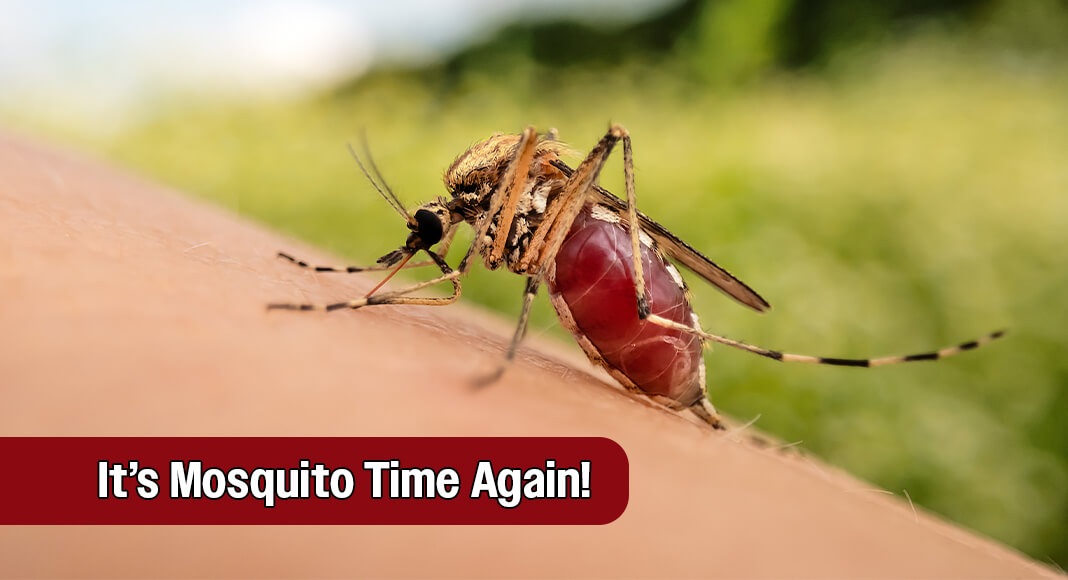
Mosquitoes thrive as the temperatures rise, and you may notice they’re ramping up.
“Mosquitoes start to become more active as temperatures rise above about 50 degrees Fahrenheit, and then they really like the sweet spot of 70 degrees and above,” explained Christopher Bazzoli, MD, an emergency medicine physician for Cleveland Clinic. “We typically see mosquito activity increasing in the spring throughout the summer months and then tapering in late fall.”

As mosquito activity increases, Dr. Bazzoli said there are plenty of steps you can take to protect yourself.
As always, putting on bug repellent is a good place to start, and if you’re wearing sunscreen, apply that before the bug spray.
Avoiding fragrances and covering any exposed skin with loose-fitting clothes can help as well.
You can also deter mosquitoes by turning on a fan and taking care of any standing water around the house.
If you do get bitten, Dr. Bazzoli said be sure to clean the area and watch for signs that it could be turning into more than just an itchy annoyance.
“After any bug bite, it’s important to monitor yourself,” Dr. Bazzoli said. “Seek medical care if you start experiencing aches and pains, this can be belly pains or headaches, fevers and chills, feeling like you’re coming down with a cold, and then rashes, especially that crop up in other areas of the body away from the bite site.”
If you don’t have any concerning symptoms and it’s a minor mosquito bite, Dr. Bazzoli said icing the area early on and using an anti-itch cream can help as it heals.