







Mega Doctor News
By American College of Surgeons (ACS)
Newswise – About 1 in 8 women will be diagnosed with breast cancer in their lifetime in the U.S., but despite its common occurrence, receiving a diagnosis of breast cancer can still be an isolating experience.
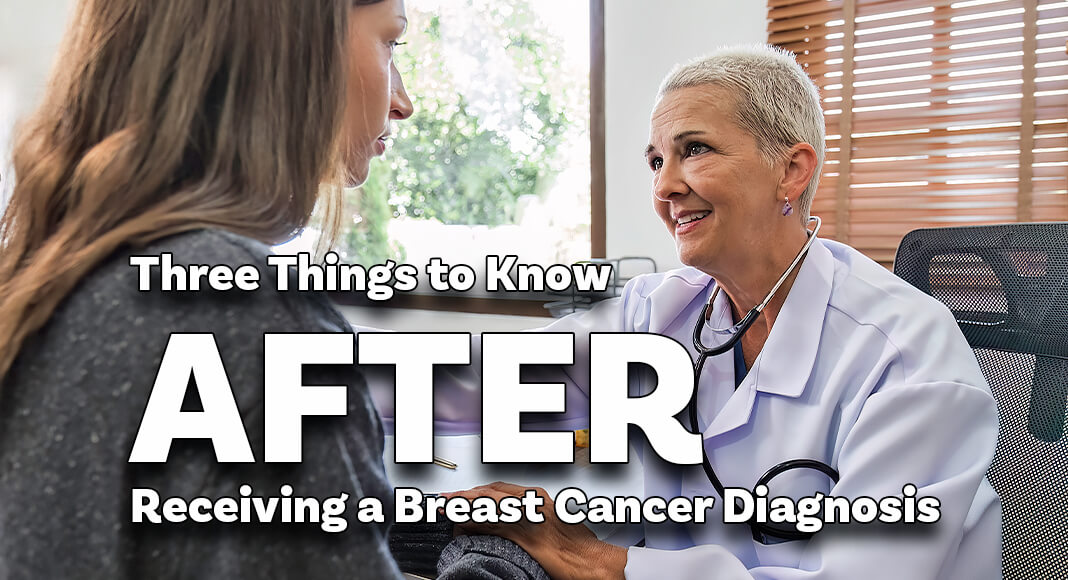
For Breast Cancer Awareness Month, breast surgeons Katharine A. Yao, MD, FACS, and Daniela A. Ochoa, MD, FACS, of the American College of Surgeons (ACS) share tips on coping with a breast cancer diagnosis and how to find patient-centered care designed to support women from diagnosis through survivorship.

1. You’ll likely have multiple treatment options.
Treatment for breast cancer will depend on the stage and type of breast cancer diagnosed. There are several surgical options for breast cancer as well as emerging treatment options that combine immunotherapy and chemotherapy for triple-negative breast cancer, an especially aggressive form of breast cancer that disproportionately affects Black women and has been historically difficult to treat. One type of targeted immunotherapy drug, pembrolizumab, has shown success in clinical trials when used alongside chemotherapy and has now become the standard of care to treat certain types of triple-negative breast cancer.
“It’s really important that the patient and physician discuss the patient’s preferences and values when deciding what type of treatment to pursue and that they have an honest, individualized discussion with their care team,” said Dr. Yao, chair of the ACS National Accreditation Program for Breast Centers (NAPBC), which sets breast cancer guidelines for more than 575 centers and hospitals across the country that are accredited by the NAPBC.
Dr. Yao, who also serves as vice chair of research at Endeavor Health Northshore Hospitals, notes that any final treatment decision should be a joint one, reflecting not just the patient’s diagnosis but also their goals, such as if they prefer surgery that spares some breast tissue (lumpectomy) or complete removal of the breast with or without reconstruction (mastectomy).
When talking with others, she advises patients to remember that each woman’s experience with breast cancer will be different, so try not to compare yourself to others, but rather reflect on what’s most important for you when considering treatment options.
“The breast cancer you have may be very different than the breast cancer you hear about in your neighbor, colleague, or friend,” she said. “It’s important to keep that in mind when talking to others about their journey and experience with breast cancer.”
2. Your emotional health matters.
Your emotional well-being before and after treatment for breast cancer matters as much as any other aspect of your treatment plan.
“Being diagnosed with cancer doesn’t mean that all the normal stuff in your life stops happening. Adding the stress of a cancer diagnosis and treatment on top of all the normal stressors of life can be a lot to deal with,” said Dr. Ochoa, ACS Commission on Cancer state chair of Arkansas and director of the Fellowship in the Diseases of the Breast program at the University of Arkansas for Medical Sciences Winthrop P. Rockefeller Cancer Institute. “Managing stress and emotional health is an important aspect of a treatment plan.”
Dr. Ochoa recommends finding support from clinically trained social workers and psychologists who have expertise and experience in helping patients with cancer. Support groups or cancer wellness programs offered through your clinic or online groups can provide additional opportunities to connect with other women and learn coping strategies.
3. Fighting breast cancer takes a team.
Comprehensive care begins with finding a breast cancer team that guides you every step of the way, including a surgeon, oncologist, patient navigator, nursing staff, social worker or psychologist, and others. When first diagnosed with breast cancer, women may first meet with a surgeon or medical oncologist to discuss their options, but care should not end after one visit or after surgery is complete.
NAPBC standards, revised last year to emphasize the patient journey from diagnosis through survivorship, stress the importance of patient navigators, who have training and education in providing individualized assistance to patients with breast disease or breast cancer, their families, and their caregivers. Support can also be found in trusted family members or friends who can accompany you on visits and help you take notes or ask questions during your appointments.
“One of the most important things is that patients should seek out a team that they have confidence in, that they trust will have their back when they need it, and a team they feel they can get access to and that will help them when they are in need,” Dr. Yao said.
Find more resources on breast cancer from the ACS and learn how to find an NAPBC-accredited center.
Journalists may contact pressinquiry@facs.org to schedule an interview with Dr. Yao or Dr. Ochoa.