


Mega Doctor News

Throughout the world, alcohol consumption is widespread and deeply normalized, often occurring during social gatherings, celebrations and as a way to relax.
In the United States, approximately 70% of adults report consuming alcohol within the past year, according to the Centers for Disease Control and Prevention, and about 84% say they have consumed alcohol at some point in their lives.
However, mounting research suggests that no level of alcohol consumption is completely without risk, as health effects can begin with the first drink.

“Many people underestimate the impact alcohol can have on the body,” said Eduardo Candanosa, MD, a family and emergency medicine physician affiliated with South Texas Health System (STHS). “Even moderate drinking can increase the risk of injury and impaired judgment in the short term, while longterm use is linked to serious conditions such as liver disease, heart disease, cancer and alcohol dependence.”
Once consumed, the body immediately begins to process alcohol, triggering effects that can impact cells, organs and brain function, even at low levels.
When alcohol enters the body, it’s broken down into acetaldehyde, a toxic chemical and known carcinogen that can damage DNA, interfere with normal cell repair and increase inflammation.
Even a single drink can affect the brain and nervous system, almost immediately altering brain chemistry and impairing judgment, coordination and reaction time. These effects increase the risk of injuries, falls and motor vehicle crashes and can also raise the likelihood of developing alcohol addiction over time.
“Because alcohol acts so quickly on the brain, people often underestimate how even small amounts can affect decisionmaking and safety,” said Dr. Candanosa. “Impaired judgment and coordination can lead to serious injuries in the short term, while repeated use increases the risk of addiction and lasting neurological harm.”
With repeated exposure, alcohol can cause structural changes in the brain, leading to tolerance and physical dependence.
Nearly 1 in 10 Americans ages 12 and older have alcohol use disorder, according to the CDC. That’s roughly 29 million people. Alcohol-related deaths now exceed more than 178,000 annually. Despite the high prevalence, only about 7% to one-third of adults receive treatment.
“These numbers highlight how widespread and serious alcohol use disorder has become,” said Dr. Candanosa. “Alcohol dependence is a medical condition that affects the brain and body, yet far too many people do not receive the treatment and support they need to recover and protect their longterm health.”
In observance of Alcohol Awareness Month in April, South Texas Health System (STHS) Behavioral is dedicating its latest Let’s Talk Mental Health webinar to examining alcohol consumption and the health risks associated with its use.
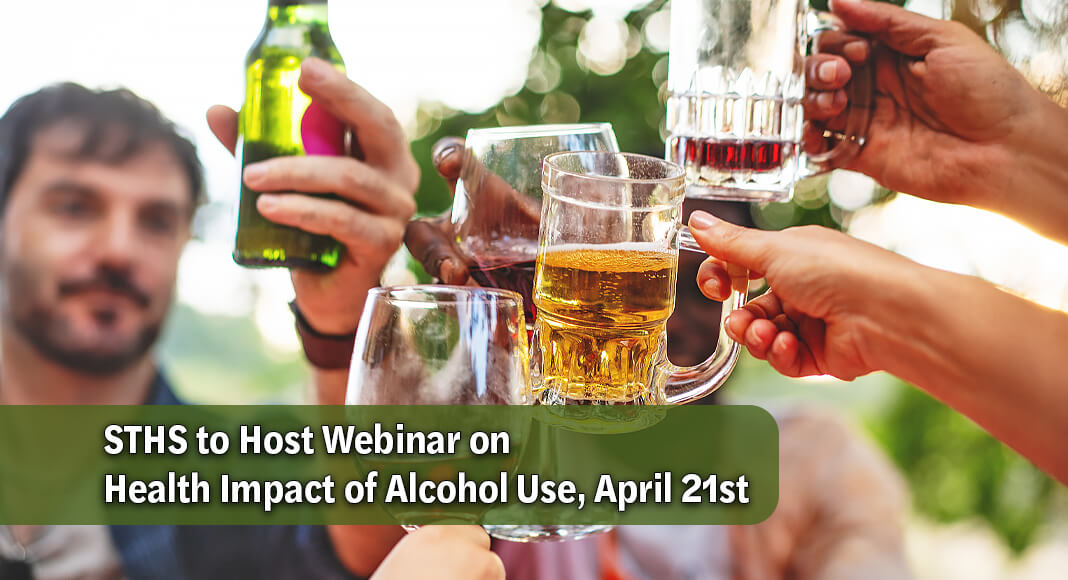
Broadcast live via STHS’ Facebook page, from 5:30 – 6:30 p.m., on Tuesday, April 21, 2026, the webinar will explore alcohol consumption, how it affects the body, and the significant short and longterm risks to both physical and mental health.
For more information on the webinar, visit the STHS Facebook Events page. If you’d like to view previous Let’s Talk Your Health seminars, visit STHSLetsTalk.com.
| Who: | South Texas Health System |
| What: | FREE virtual seminar entitled “Let’s Talk Your Health – Alcohol Awareness” |
| When: | Tuesday, April 21, 2026, from 5:30 – 6:30 p.m. |
| Where: | Online via STHS’ Facebook page |