Mega Doctor News

Influenced by factors like societal expectations, biological differences and cultural experiences, boys and girls face unique mental health challenges.
Despite experiencing common stressors, there are distinct patterns in the prevalence, presentation and potential causes of mental health issues among boys and girls.
For instance, boys may be more likely to exhibit externalizing behaviors like aggression, while girls may be more prone to internalizing disorders like anxiety and depression.

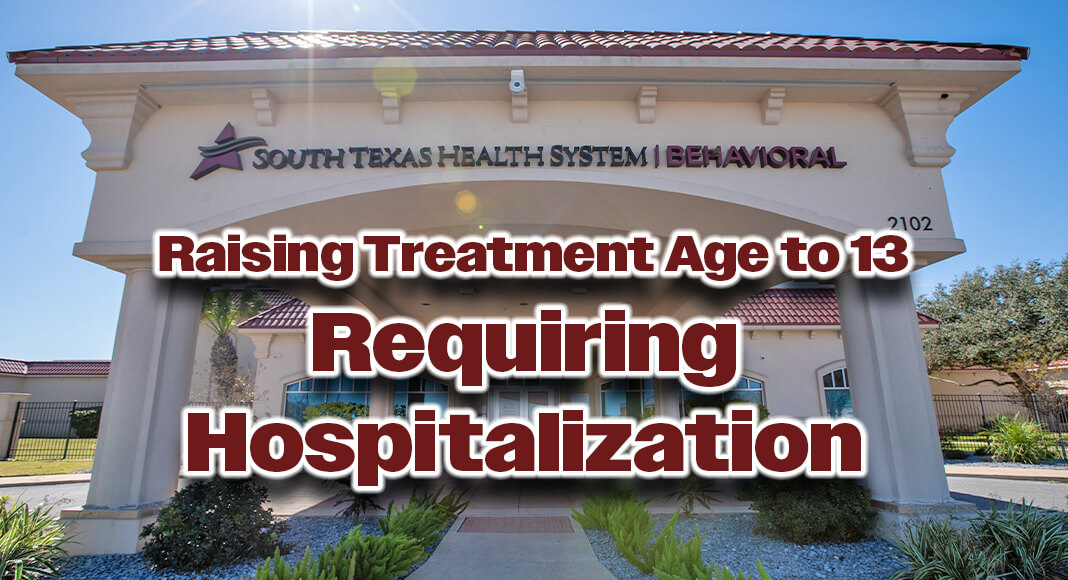
Beginning Monday, June 2, 2025, South Texas Health System Behavioral will raise the treatment age for children in early adolescence requiring hospitalization for mental and behavioral health conditions from 7 to 13 years old in an effort to better meet the gender-specific needs of patients.
By raising the treatment age, STHS Behavioral will be able to create two gender-specific treatment units within the facility aimed at helping promote greater understanding between same-sex patients, especially in group settings.
“From fostering a more comfortable and supportive environment, encouraging open communication and facilitating deeper connections within groups, the gender-specific units will allow our staff to tailor treatment to the unique needs of each gender,” says Jessica Becker, Chief Executive Officer, STHS Behavioral. “These units will address gender-unique physiological, emotional and relational issues, including more in-depth discussions on topics that may not be appropriate in mixed-gender groups.”
In addition, the gender-specific units will help minimize distractions and tensions between male and female patients.
“Research has shown that patients feel less shame or stigma and are more likely to open up about their mental health challenges in gender-specific units,” adds Becker. “The supportive environment can help individuals feel more willing to share their struggles, which is crucial for effective treatment and overall well-being.”
STHS Behavioral will continue to provide 24/7 services to patients 13 and up, including emergency psychiatric assessment, intake and admission, diagnosis, monitoring, stabilization, treatment planning, treatment, medication management and community reintegration education and resources.
“STHS Behavioral is committed to helping meet the mental and behavioral health needs of young adolescents in the Rio Grande Valley and beyond,” says Becker. “This move will reduce stigma and promote openness while facilitating the support and connection necessary for them to overcome their mental health issues.”
For more information on the behavioral and mental health services offered by STHS Behavioral, visit sthsbehavioral.com or call 956-388-1300.