Mega Doctor News

When facing mental health challenges, incorporating movement and exercise into a routine can be a powerful way to deter the complications of poor mental health.
Among the most common methods of warding off mental health issues is physical activity, which research shows can improve the symptoms of many existing mental illnesses like anxiety and depression.
When exercising, the body begins to sweat, the heart beats faster and breathing becomes labored. As the body endures these changes during physical activity, there are changes happening within the mind as well. Physical activity has been shown to release endorphins, the body’s natural chemicals that reduce stress and boost feelings of happiness.

Offering a unique setting that promotes physical health while significantly impacting mental well-being, new augmented reality technology is turning blank spaces into virtual playgrounds.
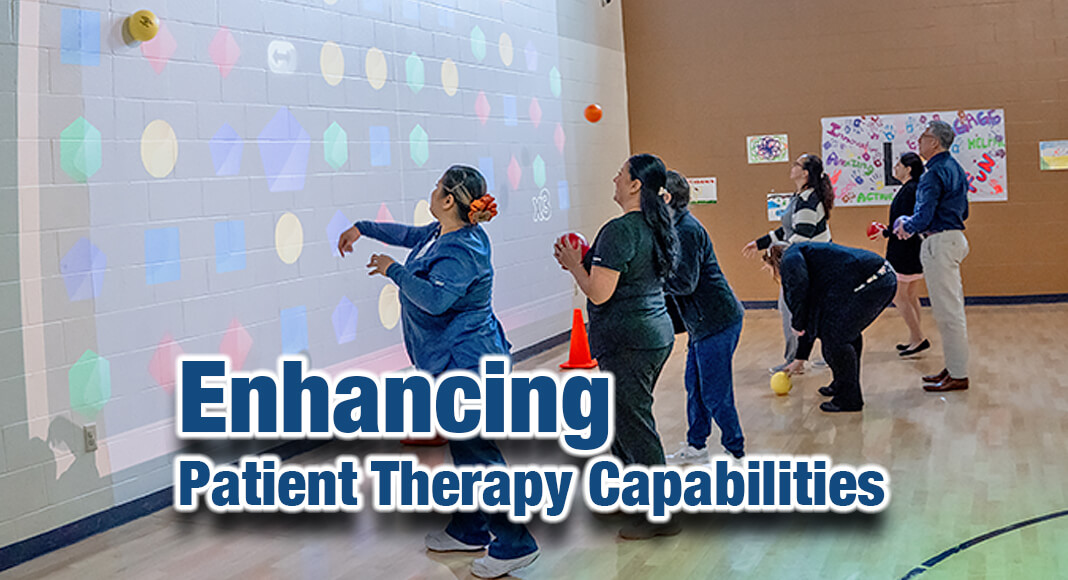
To reap the rewards of physical exercise on mental health, South Texas Health System Behavioral has launched its new interactive gaming wall, the Lü Interactive Playground, an immersive, audio and visual system that’s helping transform the facility’s gym into a dynamic environment that encompasses a variety of components, all working in harmony, to deliver a unique multisensory experience for patients.
“This technology is part of the various tools and techniques utilized by STHS Behavioral staff to help patients work through emotional, behavioral and physical issues,” says Jessica Becker, Chief Executive Officer, STHS Behavioral. “The Lü Interactive Playground is an incredible technological advancement that helps stimulate the body and mindin a fun and engaging way while promoting positive social-emotional development, reducing stress and encouragingphysical activity.”
To officially introduce the Lü Interactive Playground to the community, STHS Behavioral hosted a special ceremony on Thursday, April 23. Along with highlighting how the new system will be used to help conduct patient therapy at the facility, staff members lead attendees through various interactive games to demonstrate how the system encourages teamwork, communication and cooperation while fostering essential social skills and helps improve cognitive function, including enhanced memory, learning and critical thinking skills. Additionally, artwork created by STHS Behavioral patients was displayed in the gym to showcase their response to the new technology as part of their treatment plans.
“The Lü Interactive Playground combines tools to promote physical and mental health while delivering an engaging audio and visual experience, leading to improved mental health through physical activity,” says Becker. “While we are contributing to our patients’ physical health, we are doing just as much, if not more, for their mental health by boosting social-emotional skills through this interactive playground.”
Purchased with funds donated to STHS Behavioral by the Auxiliary to South Texas Health System, the healthcare system’s non-profit arm, the Lü Interactive Playground features different active and immersive games and activities for participants of all ages to play in an educational environment that’s physically, socially and emotionally engaging.
“The mission of the Auxiliary to STHS is to serve the patients in our facilities and the Rio Grande Valley community as a whole,” says Joel Pena, System Director of Volunteer Services, STHS. “By donating funds to help STHS Behavioral acquire the Lü Interactive Playground, the Auxiliary helping contribute to the physical and mental well-being of patients at the facility by offering a space for free-play and social interaction; factors that can contribute to reducing stress and anxiety and improve mental health.”
For more information on the behavioral and mental health services offered by STHS Behavioral, visit sthsbehavioral.com or call 956-388-1300.