




Mega Doctor News
By American Heart Association
If you’ve ever fought off an infection or iced a sprained knee, you know something about inflammation. But you might not know its importance to heart and brain health.
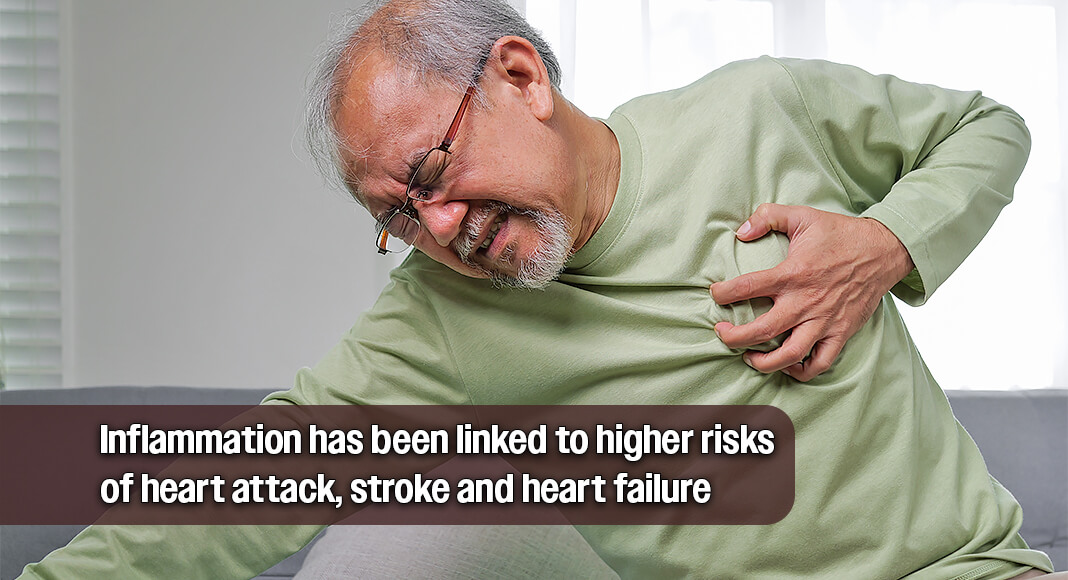
Inflammation has been linked to higher risks of heart attack, stroke and heart failure. The connections are drawing increased attention from researchers, who are still unraveling the details. But you don’t have to be an expert to know simple ways to protect yourself.

What is inflammation?
“Inflammation is our body’s response to injury,” said Dr. Brittany Weber, director of the cardio-rheumatology and cardio-dermatology program at UT Southwestern Medical Center in Dallas. She’s also chair-elect of the Women in Cardiology Committee of the American Heart Association’s Council on Clinical Cardiology.
The type of inflammation that follows a sudden injury or other “insult” such as infection is called acute, Weber said. For heart health, the main concern is a long-term, less visible form called chronic, low-grade systemic inflammation.
This type of inflammation is driven by multiple factors, but Weber said the basic concept is simple. Unhealthy lifestyle choices such as smoking can injure blood vessels. Atherosclerotic disease – in which plaque that lines arteries and restricts blood flow – itself promotes inflammation. The inflammation may then cause the plaque to rupture, leading to a heart attack or stroke.
Measures of systemic inflammation have been shown to predict cardiovascular events and death over 30 years at levels equal to or even better than measures of cholesterol.
What can you do to protect your heart from chronic inflammation?
The things that cause chronic, low-grade inflammation include lifestyle factors such as being sedentary and eating an unhealthy diet – “all the things we think about when we think about the American Heart Association’s Life’s Essential 8,” Weber said, referring to key measures for improving and maintaining good cardiovascular health.
So in addition to seeking regular medical care and not smoking, her tips to combat inflammation include:
- Eat a heart-healthy diet. Processed foods with lots of unhealthy fat and salt promote chronic inflammation, Weber said.
The Mediterranean diet – which emphasizes whole grains, fruits, vegetables, fish and healthy oils – is considered heart-healthy in part because it has been shown to significantly reduce markers for inflammation. In a 2023 scientific statement, the Heart Association also found DASH (Dietary Approaches to Stop Hypertension), pescetarian and vegetarian eating patterns also aligned with its heart-healthy guidelines.
- Pay attention to sleep. “It is really important to try to make sure you’re getting enough sleep,” Weber said. Lack of sleep can increase levels of cortisol, a stress hormone that can promote inflammation.
Adults should aim for an average of 7-9 hours of sleep a night, the American Heart Association says.
- Find ways to reduce stress. “Lowering your stress levels, which is essentially lowering your cortisol response, is beneficial as an anti-inflammatory mechanism,” Weber said. Yoga, meditation and other techniques can help.
- Protect yourself from the flu and other viruses. A viral infection can cause acute systemic inflammation that can lead to a heart attack or stroke. A meta-analysis of studiespublished in October in the Journal of the American Heart Association found that people are four times as likely to have a heart attack and five times more likely to have a stroke in the month after having the flu.
- Exercise regularly. Physical activity reduces chronic inflammation, in part by fighting obesity. “Obesity itself is highly pro-inflammatory,” Weber said. Body fat, also called adipose tissue, releases proteins called adipokines that are related to low-grade inflammation.
The American Heart Association recommends that adults get at least 150 minutes a week of moderate-intensity aerobic activity or 75 minutes a week of vigorous aerobic activity, or a combination of both, plus moderate- to high-intensity muscle-strengthening activity at least two days a week.
“Any exercise is better than none,” Weber said.
What doesn’t help fight inflammation?
Beware of fad diets and unregulated supplements that make untested claims about their anti-inflammatory potential, Weber said.
Advertisements might promote a single product, she said, but that approach won’t address the lifestyle and other factors that are its root cause.


