







Mega Doctor News

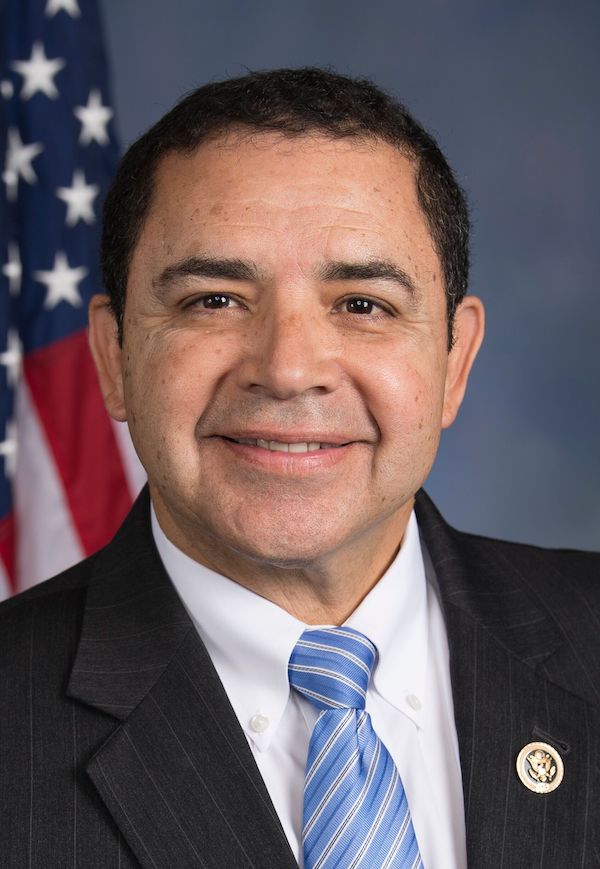
Congressman Henry Cuellar, Ph.D. (TX-28), joined a bipartisan coalition of 294 lawmakers in cosponsoring H.R. 842, the Nancy Gardner Sewell Medicare Multi-Cancer Early Detection Screening Coverage Act. This bill would allow Medicare to cover FDA-approved multi-cancer early detection (MCED) tests beginning in 2028, if the Centers for Medicare and Medicaid Services (CMS) determines coverage is appropriate.
The bill is named in honor of the late Nancy Gardner Sewell, mother of Rep. Terri Sewell (AL-07), whose legacy as an educator and advocate continues to inspire this bipartisan effort following her passing from pancreatic cancer in 2021.
“South Texas seniors deserve access to innovative cancer screenings,” said Congressman Cuellar. “The Nancy Gardner Sewell Act is a strong, bipartisan, and practical step to expand Medicare coverage for potentially life-saving cancer detection tests. By helping seniors get screened earlier, we can reduce late-stage diagnoses, improve outcomes, and lower long-term costs.”
Currently, many cancers lack routine screening options under Medicare, leaving older Americans at greater risk of late detection. The bipartisan bill creates a clear framework for CMS to evaluate and cover MCED tests, setting guardrails that ensure coverage is evidence-driven. The bill limits coverage to one test every 11 months and phases in by age – beginning at 68 in 2028, rising by one year each year thereafter.
In South Texas, where seniors face barriers to care in more rural communities, expanding access to blood-based MCED tests is especially important. These tests can be performed locally, without requiring long travel, making cancer screening simpler and more accessible.
“Cancer touches every family, and better screening means better odds,” continued Congressman Cuellar. “By establishing clear rules for Medicare coverage, we give patients and providers certainty while safeguarding the program’s integrity. I’ll keep working with colleagues on both sides of the aisle to ensure seniors in South Texas and across the country have access to lifesaving innovations in cancer detection.”



