










Rep. Cuellar Announces Lower Prescription Drug Costs

Dr. Cuellar Voted to Pass the Inflation Reduction Act (IRA), Which Enabled Negotiations to Lower Costs for Prescription Drugs Under Medicare

Translate to Spanish or other 102 languages!

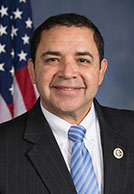
Congressman Cuellar announced lower costs for the country’s most expensive prescription drugs under Medicare. Image for illustration purposes
- Advertisement -

Washington, DC – Congressman Cuellar announced lower costs for the country’s most expensive prescription drugs under Medicare.

“I voted to pass the IRA, which has lowered health care and prescription drug costs for Americans. It not only capped the monthly cost of insulin for seniors on Medicare at $35 but also limited out-of-pocket prescription drug costs for seniors,” said Dr. Cuellar, a senior member of the House Appropriations Committee. “Furthermore, due to the IRA, the administration was able to negotiate lower costs for ten of the most expensive prescription drugs under Medicare. This is a historic achievement and will bring needed relief to everyday Americans. I voted for the Inflation Reduction Act to ensure that Americans get the help they need. I will continue to support efforts to reduce health care costs.” 

The ten drugs negotiated down include Eliquis, Jardiance, Xarelto, Januvia, Farxiga, Entresto, Enbrel, Imbruvica, Stelara, and NovoLog/Fiasp.


- Advertisement -

Through the IRA, more than 100,000 Texans on Medicare are saving on average $441 per year through the insulin price cap alone.  It caps insulin costs at $35 per month for those on Medicare and limits out-of-pocket prescription drug costs to $2,000 per year.

1,323,430 Texans will save $400 per year on average through the IRA’s $2,000 out-of-pocket cap, which will begin in 2025.


- Advertisement -
- Advertisement -

- Advertisement -

More Articles

Mayo Clinic Study Sheds New Light on Memory Loss

A new framework, published in Brain, could reshape researchers' understanding of how the brain creates memories and experiences, and how disruptions in this process may indicate Alzheimer’s disease and other forms of dementia.

United States and Mexico Lose Measles Elimination Status Amid Continued Outbreaks

The United States, Mexico and Bolivia have lost their measles elimination status after the highly contagious virus circulated continuously for more than 12 months, the Pan American Health Organization (PAHO) announced November 17, 2026.

Eating and sleeping later associated with increased health risks

Staying up late and eating later in the evening could increase the risk of metabolic syndrome, a term that refers to conditions that increase the risk of type 2 diabetes, cardiovascular disease, and high cholesterol.

Health Officials Release Joint Statement Regarding Loss of U.S. Measles Elimination Status

CDC and its partners are committed to stopping measles outbreaks, protecting Americans, and regaining measles elimination status.
- Advertisement -