









Mega Doctor News
Newswise — DALLAS – Depression screening among cancer patients improved by 40 percent to cover more than 90 percent of patients under a quality improvement program launched by a multidisciplinary team at UT Southwestern Medical Center and Southwestern Health Resources.
Cancer patients with depression are at an increased risk of mortality and suicide compared with those without depression. Although rates vary based on cancer type and stage, depression is estimated to affect 10 to 30 percent of patients with cancer compared with 7 to 8 percent of adults without a diagnosis or history of cancer, and impact both men and women equally.
Due to the higher risk, medical and scientific authorities including the National Institutes of Health, the Institute of Medicine, and the National Comprehensive Cancer Network recommend routine screening to identify untreated symptoms of depression in cancer patients.

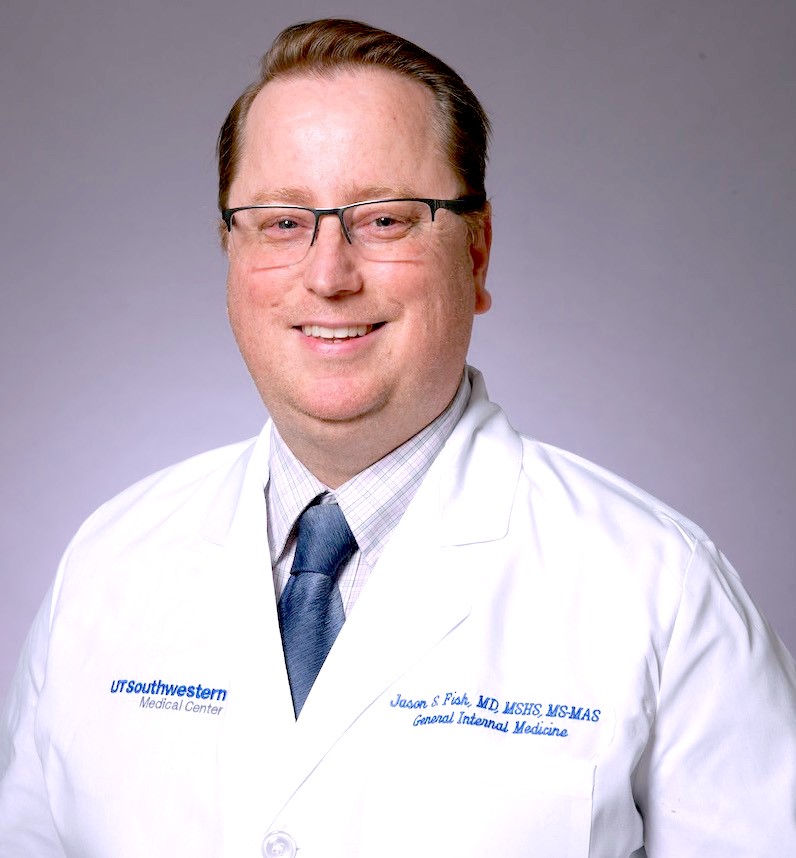
“Identifying those with depressive symptoms through earlier detection, diagnosis, and treatment can greatly improve the quality of life for these patients and their families, and prevent minor symptoms from progressing to severe psychopathology and potential self-harm,” says Jason Fish, M.D., chief medical officer at Southwestern Health Resources and associate professor of internal medicine at UT Southwestern. “The findings from our study have the potential ability to not only positively impact treatment outcomes and slow disease progression, but to save health care resources.”
A multidisciplinary team collaboratively applied Lean Six Sigma methods and tools among more than 14,000 oncology patients within oncology and psychiatry clinics in the Southwestern Health Resources network and at UT Southwestern’s Harold C. Simmons Comprehensive Cancer Center.
The ongoing quality improvement initiative enhanced screening and follow-up rates in individual clinics by more than 40 percent and achieved the project goal of reaching 90 percent of patients in fewer than six months, according to Fish, who oversees quality and performance improvement activities for Southwestern Health Resources, a clinically integrated health care network formed by UT Southwestern and Texas Health Resources. If the ending performance rate of 89.8 percent had been in effect at the beginning of the project, an additional 1,290 patients could have received screening in a single month, the authors wrote.
The study appears online and in the May Journal of Healthcare Quality by the National Association for Healthcare Quality.


