







Mega Doctor News

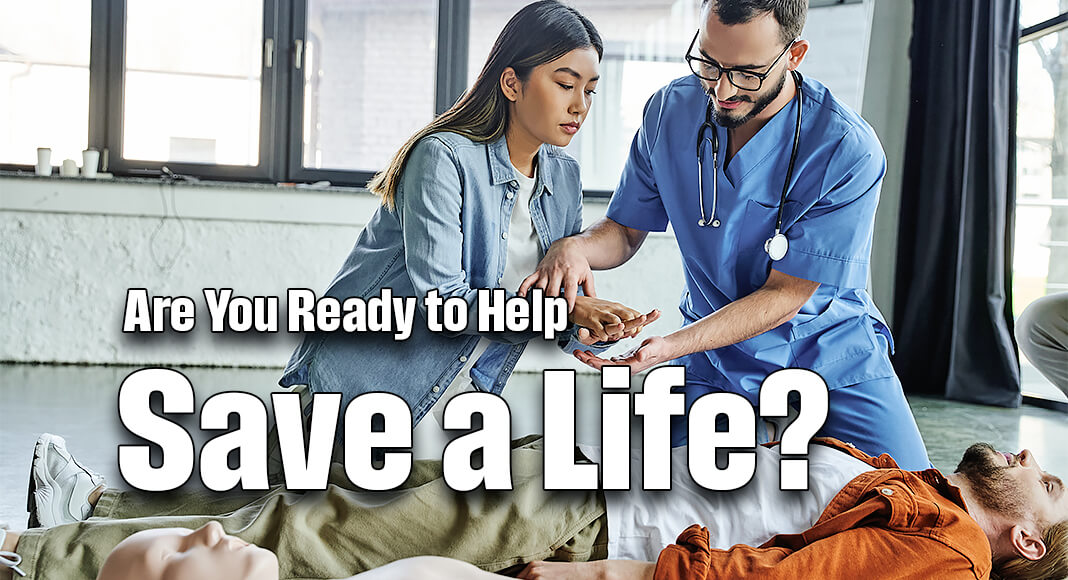
AMERICAN RED CROSS – October is Sudden Cardiac Arrest Awareness Month, designed to inform the public about warning signs, risk factors and what to do in a cardiac emergency. During this month, the American Red Cross encourages everyone to enroll in a CPR and AED course so they can learn how to help save a life when someone goes into cardiac arrest and minutes matter.
Each year, more than 350,000 people experience out-of-hospital cardiac arrest in the U.S. and about 90% of them die. Cardiac arrest occurs when the heart suddenly stops beating normally because of abnormal electrical activity. Every second counts, so it’s important for people to be trained in knowing how to perform CPR and use an AED. Immediate CPR delivered by a bystander can nearly double a person’s chance of survival.
Visit redcross.org/takeaclass to sign up for online, blended learning or in-person training classes today.

“Sudden cardiac arrest can happen to anyone, anywhere and at any time without warning,” said Madison Lawrence, Disaster Program Manager, Preparedness & Planning, Texas Gulf Coast Region Red Cross. “It’s important to be ready to take action whether that’s calling 911, starting chest compressions or using an AED. Red Cross training can give you the skills and confidence to act in an emergency.”
On October 16, the Red Cross and other organizations will celebrate the World Restart a Heart initiative with events all around the world taking place on or around that date. This global initiative is designed to increase awareness about the importance of knowing what to do in an emergency and learning Hands-Only CPR in hopes of saving lives by increasing the rate of bystanders getting involved and giving CPR to someone who needs it.
Last year, more than 4.8 million people turned to the Red Cross for First Aid, CPR and AED training. Training helps provide the confidence and skills to act when moments matter. Download the free Red Cross First Aid app and activate the First Aid Skill for Alexa-enabled devices for instant access to guidance on what to do during an emergency.
About the American Red Cross:
The American Red Cross shelters, feeds and provides comfort to victims of disasters; supplies about 40% of the nation’s blood; teaches skills that save lives; distributes international humanitarian aid; and supports veterans, military members and their families. The Red Cross is a nonprofit organization that depends on volunteers and the generosity of the American public to deliver its mission. For more information, please visit redcross.org or CruzRojaAmericana.org, or follow us on social media.


