Mega Doctor News
- Advertisement -
One in three sick people is a child younger than 5 years. Don’t let young children touch chicks, ducklings, or other backyard poultry.
Key points:
- CDC and public health officials in several states are investigating multistate outbreaks of Salmonella infections linked to contact with backyard poultry.
- Since the last update on May 20, an additional 311 illnesses have been reported. A total of 474 sick people have been reported from 46 states.
- 103 people were hospitalized. One death has been reported from Indiana.
- The true number of sick people is likely much higher than the reported number, as many people recover without medical care and are not tested for Salmonella.
- One-third of sick people are young children under 5 years.
- Interviews with sick people show that contact with backyard poultry is the likely source of the outbreaks.
- Backyard poultry can carry Salmonella germs even if they look healthy and clean. These germs can easily spread in areas where the poultry live and roam.
- Whether you are building your first coop or are a seasoned backyard poultry owner, know the risks of keeping poultry and the steps you can take to stay healthy.
Steps to stay healthy around backyard poultry:
- Advertisement -
- Always wash your hands for 20 seconds after touching the flock or flock supplies.
- Keep flock and flock supplies outside the house to prevent spreading germs into your house.
- Don’t let children younger than 5 years touch the birds (including chicks and ducklings) or anything in the area where the birds live and roam.
- Don’t kiss or snuggle the birds, as this can spread germs to your mouth and make you sick.
About Salmonella:
- Most people infected with Salmonella develop diarrhea, fever, and stomach cramps 6 hours to 6 days after being exposed to the bacteria.
- The illness usually lasts 4 to 7 days, and most people recover without treatment.
- In some people, the illness may be so severe that the patient is hospitalized.
- Children younger than 5, adults 65 and older, and people with weakened immune systems are more likely to have severe illness.
If you have questions about cases in a particular state, please call that state’s health department.
Fast Facts
- Illnesses: 474 (311 new)
- Hospitalizations: 103 (69 new)
- Deaths: 1 (1 new)
- States: 46 (3 new)
- Investigation status: Active
- Backyard Poultry and Salmonella
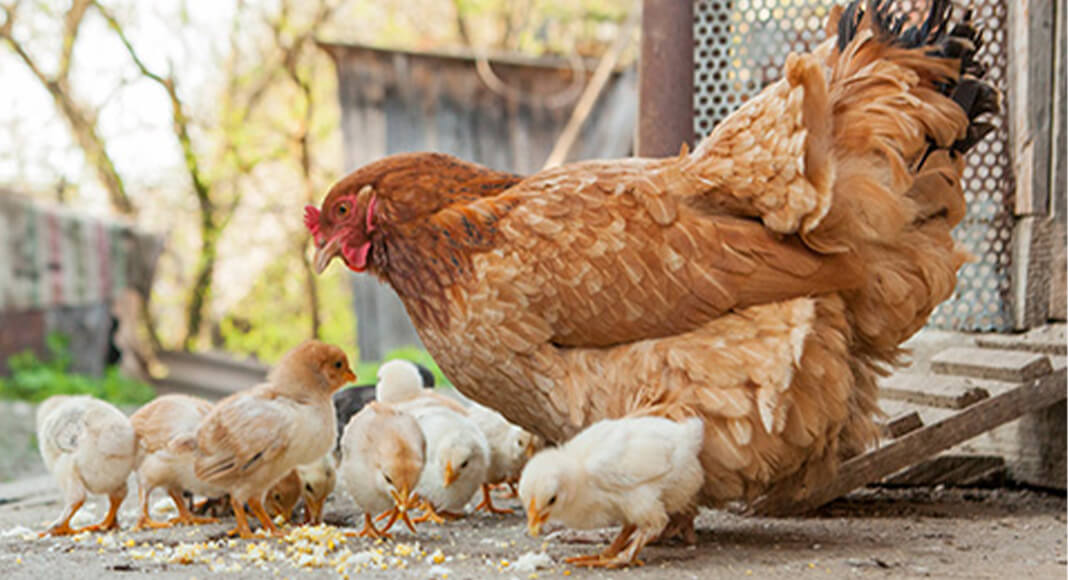
- Backyard poultry, like chicken and ducks, can carry Salmonella germs even if they look healthy and clean. These germs can easily spread to anything in the areas where the poultry live and roam.
You can get sick from touching your backyard poultry or anything in their environment and then touching your mouth or food, and swallowing Salmonella germs.
- Advertisement -