








loader image
Sunday, February 8, 2026
57 F
McAllen
- Advertisement -

Limited Supply of RSV Anti-Body Drug

Translate to Spanish or other 102 languages!

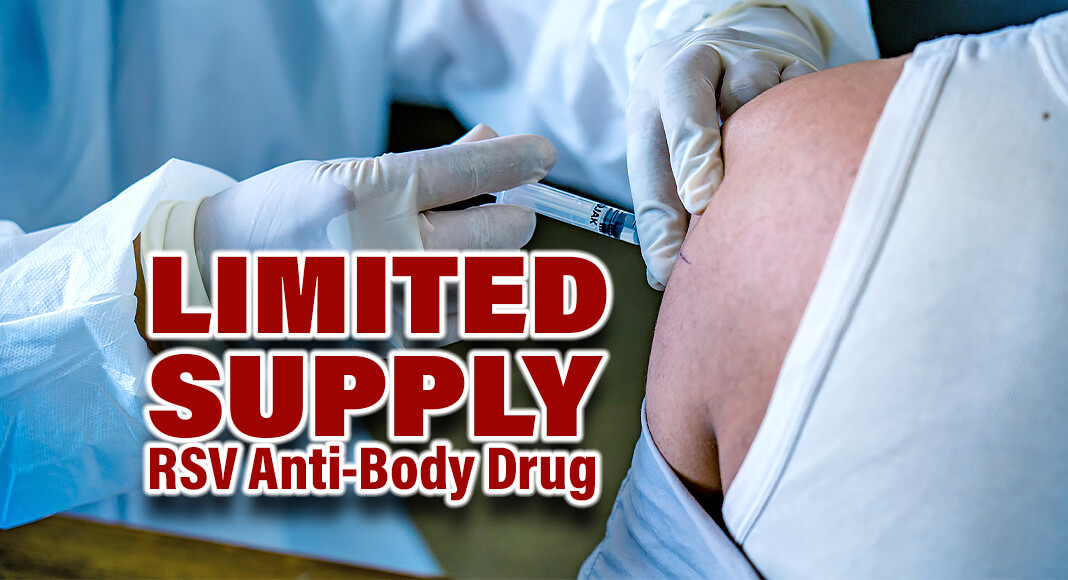
It is important to note that the long-acting RSV monoclonal antibody is one of two new tools we have this season to protect babies from severe RSV illness. Image for illustration purposes

Mega Doctor News

- Advertisement -

By Texas Tech University Health Sciences Center El Paso

Newswise — Glenn J. Fennelly, MD, MPH, professor, and chair, Department of Pediatrics, Texas Tech Health El Paso can speak on the shortage of the antibody for RSV in children. 

How can parents work around the shortage? 

- Advertisement -

It is important to note that the long-acting RSV monoclonal antibody is one of two new tools we have this season to protect babies from severe RSV illness.

Pregnant women have the opportunity to receive a new RSVpreF vaccine manufactured by Pfizer that was recently approved by the FDA. Immunization of the mother during weeks 32 through 36 of pregnancy with this vaccine reduces the risk of RSV hospitalization for their babies by 57 percent in the first six months after birth if given more than two weeks before delivery. 

How can parents take care of their children?

Strict handwashing before holding or feeding your infant, as well as avoiding close contact with other children or adults who have symptoms of respiratory infections are other ways to avoid RSV and other respiratory illnesses.

- Advertisement -

Vaccination against influenza is recommended for all infants 6 months or older, and should be considered for all children to help avoid complications from influenza infection that may be severe.

For grandparents or other close family members age 60 or higher, vaccination of these adults with one of two alternative RSV vaccines that have recently been approved by the FDA may also help to prevent transmission to infants.


- Advertisement -
- Advertisement -

- Advertisement -

More Articles

Inside the Physiology and Neuroscience of Winter Olympians

What makes Olympians the very best at what they do — even in cold, slippery or icy conditions? 

Study Finds 60% of American Women Choose Clinic Visits Over At‑Home Cervical Screening

American women now have the option of screening for cervical cancer at home, using newly approved self-collection tools. While experts hope this will increase uptake in the under-screened population, a first-of-its kind study by researchers from The University of Texas MD Anderson Cancer Center found the majority (60.8%) still prefer to see a medical professional in-clinic.

Food Safety Tips for a Healthy Super Bowl Sunday

Super Bowl parties often feature takeout, delivery and foods that are served over several hours. To help prevent foodborne illness, the U.S. Department of Agriculture’s (USDA) Food Safety and Inspection Service (FSIS) is reminding fans to keep food safety in play on game day.

FDA Updates Guidance on “No Artificial Colors” Labels as Natural Options Expand

The U.S. Food and Drug Administration took additional steps to support the transition of our nation’s food supply from the use of artificial petroleum-based colors to alternatives derived from natural sources. Companies will now have flexibility to claim products contain ‘no artificial colors’ when the products do not contain petroleum-based colors. In the past, companies were generally only able to make such claims when their products had no added color whatsoever — whether derived from natural sources or otherwise
- Advertisement -
×
