








How to Stay Hydrated as Summer Temperatures Soar

Translate to Spanish or other 102 languages!

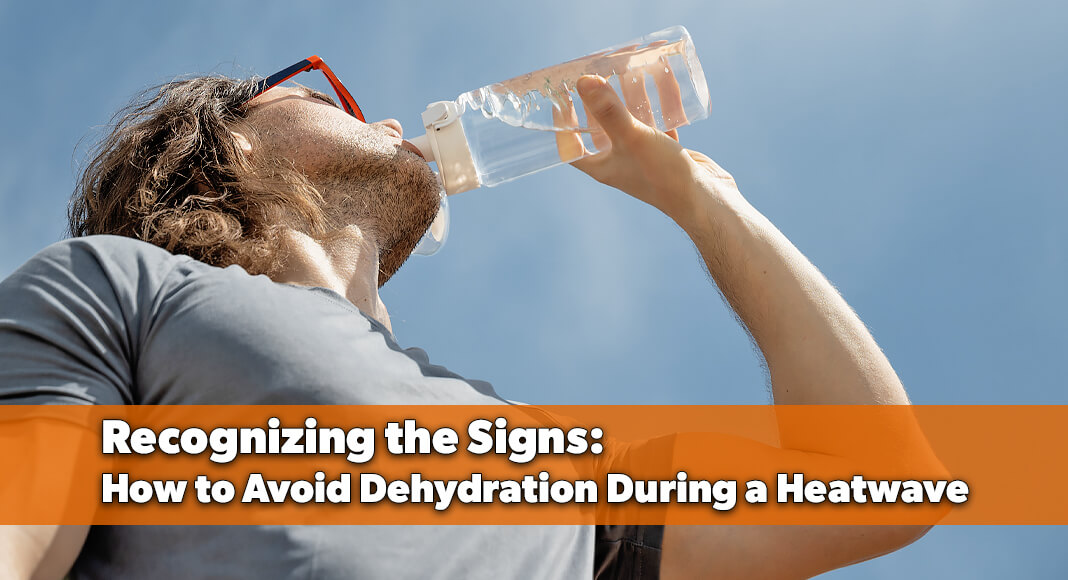
As the temperatures continue to climb this summer, so does the risk of dehydration. Image for illustration purposes
- Advertisement -

CLEVELAND CLINIC – As the temperatures continue to climb this summer, so does the risk of dehydration. 

Bryan Baskin, MD, emergency medicine physician at Cleveland Clinic, offers some tips on how to prevent it.

“The best way to prevent dehydration is to take in continuous water throughout the day. And while you’re drinking water, make sure you’re using electrolytes as well. That can come through food or electrolyte supplementation. In addition, eating foods with water in them, such as fruits like watermelon, can help. Also, make sure you monitor and limit your caffeine and alcohol intake, and monitor your environment,” said Dr. Baskin.

- Advertisement -

He explains that early signs of dehydration can be subtle. 

You may feel thirsty, get a headache, or notice that your urine is darker in color.

If left untreated, symptoms can progress.

You may start to feel tired, get dizzy and could even pass out.

- Advertisement -

Dr. Baskin said at that point, a person needs to be taken to the emergency department immediately. 

But it’s not just dehydration that’s a risk this summer.

“The other two that are very important are heat exhaustion and heat stroke. Heat exhaustion is when your body has a difficult time recovering from increased temperature, and heat stroke is when it loses its ability to recover. The signs and symptoms of that can be similar to dehydration,” said Dr. Baskin.

It’s also important to keep a close eye on the elderly and children this summer. 

Dr. Baskin said they can’t always regulate fluids the same way a younger adult can, which can put them at higher risk for things like dehydration.


- Advertisement -
- Advertisement -

- Advertisement -

More Articles

The Science Behind Why Dietary Changes Rarely Stick

Learning new eating habits isn’t simple. Our pre-existing feelings around food—whether it’s a distaste for olives or a love of pastries—could make it harder to learn new eating habits, according to new research from Yale School of Medicine.

STHS Hospitals Urge Community Action Against Bullying

Whether it comes in the form of hurtful words, social exclusion or online harassment, bullying can take a serious toll on a person's mental, emotional and social well-being.

STHS Children’s Annual Children’s Fall Festival, Oct. 23rd

Calling all little ghosts, goblins, princesses and superheroes! With Halloween just around the corner, it's almost time to put on those costumes and get ready for an eerie-sistibly exciting celebration. 

STHS Children’s & Spirit Halloween’s Halloween Party for Pediatric Patients, Oct. 14th

Being in the hospital can be an overwhelming experience for anyone, especially children. Between unfamiliar surroundings, separation from friends and family, and the need to undergo medical procedures, young patients can often face added stress and anxiety during their hospital stay.
- Advertisement -
