








How to Protect Your Child From RSV This Season

Translate to Spanish or other 102 languages!

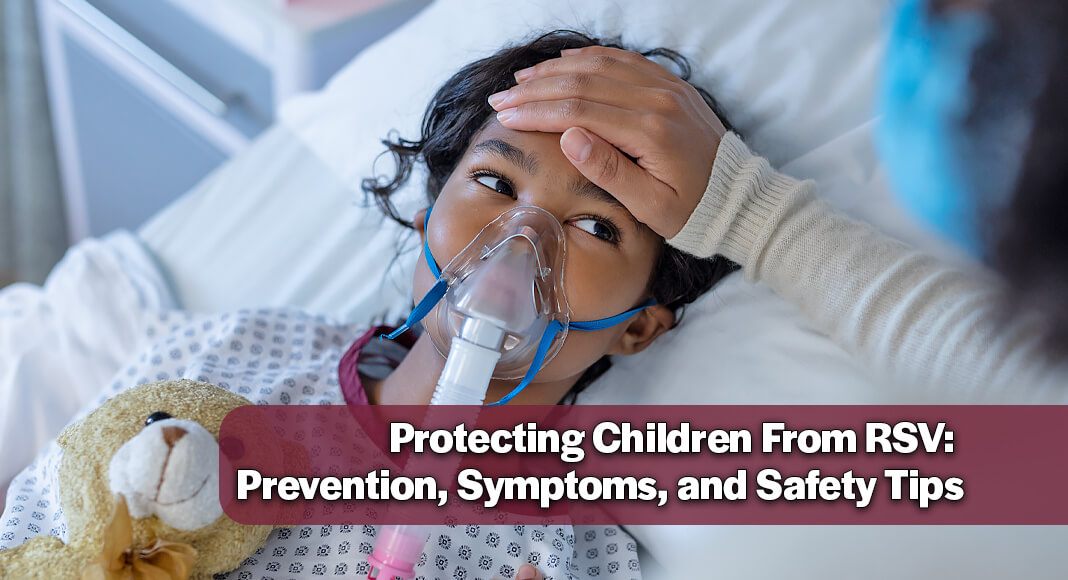
Every year, millions of adults and children get sick with the respiratory virus – but it can be especially dangerous for babies. Image for illustration purposes
- Advertisement -

CLEVELAND CLINIC – October is RSV Awareness Month.

Every year, millions of adults and children get sick with the respiratory virus – but it can be especially dangerous for babies.

“Usually, the first time you get RSV, it’s the most severe. And then every time you get it after that, it’s less and less severe, so that in older children and adults it’s much less severe than in younger children. The first year of life and especially the first six months of life, if a baby gets RSV, they are most likely to be sicker, much more likely to be hospitalized, and much more likely to have pneumonia,” said Camille Sabella, MD, pediatric infectious disease specialist at Cleveland Clinic Children’s.

- Advertisement -

Dr. Sabella said symptoms of RSV can include cough, runny or stuffy nose, sneezing, sore throat, headache, fatigue and fever.

Babies or small children may be more fussy, irritable or not want to play as much.

In more severe cases, they could have trouble breathing, shortness of breath or wheezing, all of which require immediate medical attention.

If a child’s symptoms are on the mild side, treatment usually consists of supportive care at home.

- Advertisement -

Dr. Sabella said there is an RSV vaccine available for pregnant women and older adults, as well as a monoclonal antibody for infants.

“Technically it’s not a vaccine, but it works like a vaccine, but you’re actually giving the babies antibodies against RSV. And for babies whose moms were not given the vaccine during pregnancy, this is now indicated for all babies less than eight months of age who are born during RSV season,” he said.

Dr. Sabella said RSV can be very contagious and reminds the public to practice good hand hygiene and regularly clean high touch surfaces.


- Advertisement -
- Advertisement -

- Advertisement -

More Articles

DHR Health Recognizes November as “National Hospice and Palliative Care” Month

DHR Health is pleased to recognize November as “National Hospice and Palliative Care Month.”  As we highlight National Hospice and Palliative Care Month, let us remember that healthcare is not solely about treating diseases but also about care for people at end of life.

STHS Heart Earns Healthgrades Five-Star Rating for Pacemaker Procedures

Healthgrades, the leading online resource for information about physicians and hospitals, has named STHS Heart a Five-Star Recipient for Pacemaker Procedures in 2027 for the second consecutive year, recognizing the facility's superior clinical outcomes and commitment to patient care.

AMA Advises Patients to Check with Doctors on Web Advice

The internet offers no shortage of health advice. But with misleading medical claims spread across social media, search engines, and AI platforms, finding trustworthy answers can be a challenge. 

FDA Authorizes Focused Ultrasound Treatment for Varicose Veins

Theraclion has announced that the US Food and Drug Administration (FDA) has granted De Novo authorization for its Sonovein device to treat superficial venous reflux in great saphenous veins (GSV), the main cause of varicose veins. This is the first noninvasive focused ultrasound platform to treat varicose veins, which affect approximately one third of adults.
- Advertisement -
