
How Red Light Therapy Could Transform Your Skin and Hair Care

Translate to Spanish or other 102 languages!

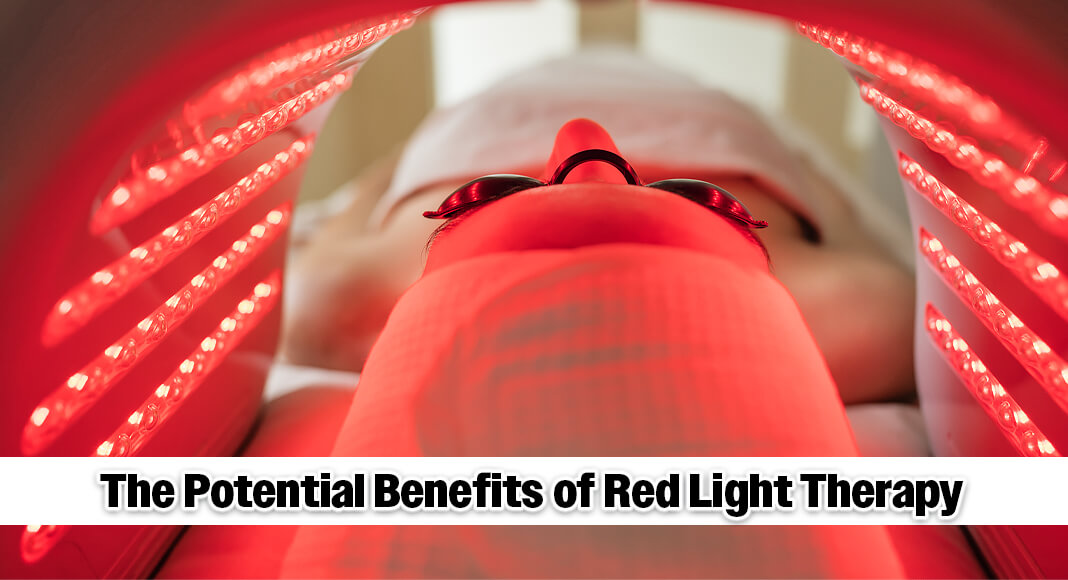
“Red light therapy uses red light or near-infrared light to promote cellular growth, decrease inflammation and improve healing and the production of something called collagen,” explained Jennifer Lucas, MD, a dermatologist for Cleveland Clinic. Image for illustration purposes
- Advertisement -

CLEVELAND CLINIC – Have you heard of red light therapy? 

You may have seen the glowing masks and wondered how they work.

“Red light therapy uses red light or near-infrared light to promote cellular growth, decrease inflammation and improve healing and the production of something called collagen,” explained Jennifer Lucas, MD, a dermatologist for Cleveland Clinic.

- Advertisement -

According to Dr. Lucas, you can get red light therapy at your dermatologist’s office or by using an FDA-cleared device at home. 

When done consistently, research suggests it may help with things like wrinkles and redness.

It may also help some people with mild hair loss by keeping hair in its growing phase longer.

But Dr. Lucas said not to expect overnight results or dramatic changes to your skin or hair.

- Advertisement -

Some people may even want to avoid red light therapy altogether.

“Anyone who has what’s called a photosensitive disorder, meaning if you go out in the sun and you get blisters or burn, you want to avoid red light therapy,” Dr. Lucas said. “Also, those who are on medicines that make them sensitive to the sun, like certain antibiotics and blood pressure medications.”

Dr. Lucas said it’s best to talk to a dermatologist before starting red light therapy. 

They can help assess your skin or hair concerns and decide whether it’s a good fit for you.

- Advertisement -
- Advertisement -

- Advertisement -

More Articles

New Prostate Cancer Diagnoses Up 3% as Early Detection Key to Better Outcomes

This September, the American Cancer Society encourages men to talk with their doctor about their personal risk for prostate cancer and whether screening is right for them.

Red Flags That Memory Loss May Be Serious

Everyone forgets things from time to time, but when could it be a sign of something more serious.

Understanding the PREVENT Calculator and Your Heart Health Risk

We often think about heart disease as something that suddenly happens, like a heart attack, that requires a trip to the emergency room. In reality, cardiovascular disease often develops silently over years or even decades before symptoms appear

Study: Supplement Plus Chemo Boosts Pancreatic Cancer Survival

L-glutamine, an amino acid that occurs naturally in the body and plays an important role in digestion, has been studied as a potential way to ease side effects in other cancers.
- Advertisement -