
loader image
Tuesday, December 2, 2025
57.2 F
McAllen
- Advertisement -

How Long is the Ideal Nap?

Translate to Spanish or other 102 languages!

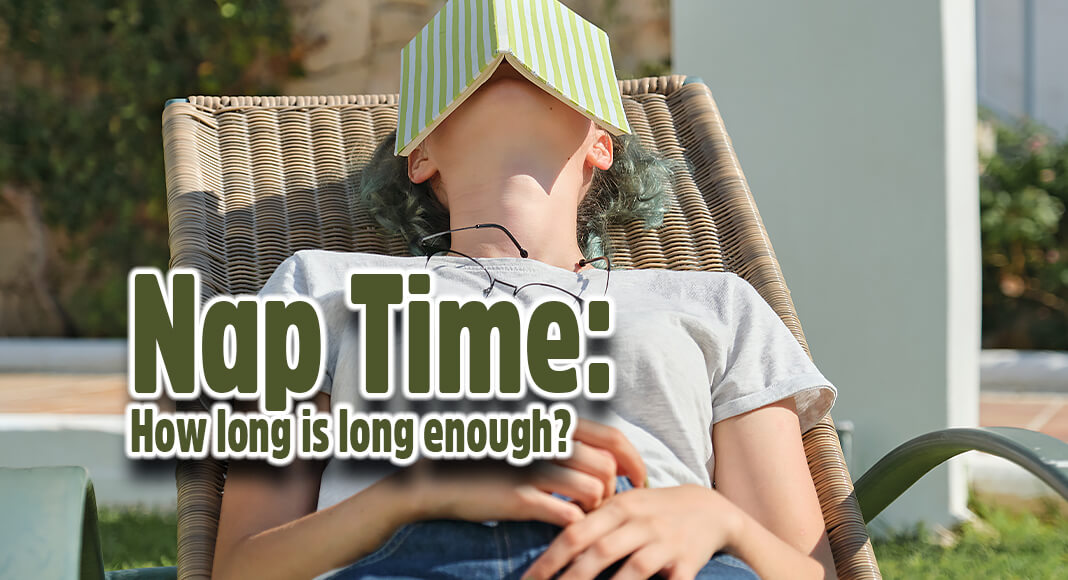
If you’re going to take a nap, Dr. Roth recommends keeping it to 30 minutes or less. Image for illustration purposes
- Advertisement -

CLEVELAND CLINIC – When the afternoon cup of coffee isn’t doing the trick, a power nap may seem like your only option. 

But how does a sleep expert feel about the idea of napping every once in a while?

“Napping is not a bad thing. If you do it in the right way, it can be very restorative and positive for your sleep. At the same time, it can also be something that keeps the cycle of poor sleep or insomnia going,” explained Alicia Roth, PhD, sleep psychologist for Cleveland Clinic.

If you’re going to take a nap, Dr. Roth recommends keeping it to 30 minutes or less.

- Advertisement -

Longer naps can leave you feeling groggy when you wake up.

That’s because you have a higher chance of interrupting a deeper sleep with a nap that’s an hour or longer.

Dr. Roth also suggests napping earlier in the afternoon versus at night or around the time you typically go to bed.

Dozing off for 10 to 20 minutes too close to your bedtime can make it harder to fall asleep again.

- Advertisement -

 â€śThe later you nap in the day, the more detrimental it’s going to be to your nighttime sleep. It’s also important to remember that napping includes dozing off on the couch in the evening.”

Dr. Roth warns against relying on naps all the time to get through the day as this can make it more difficult for you to fall asleep at night.

She recommends talking to your doctor if you regularly have trouble sleeping.

- Advertisement -
- Advertisement -

- Advertisement -

More Articles

Why Undisturbed Sleep is Important to Brain Injury Recovery

A new study highlights how important uninterrupted sleep is to recovery after a traumatic brain injury, finding that fragmented sleep in injured mice is linked to a loss of rapid-eye-movement (REM) sleep and increased fatigue. 

The Social Media Trends Impacting Americans’ Sleep Habits

Social media trends have become increasingly influential, even changing bedtime routines and sleep habits for many Americans. According to a 2025 survey from the American Academy of Sleep Medicine, 56% of U.S. adults have tried one of this year’s viral social media trends related to sleep.  

What is CKM syndrome, and why should young adults pay attention?

If you’re unfamiliar with cardiovascular-kidney-metabolic syndrome, you’re hardly alone. But it might already be affecting you – no matter your age.

How Christmas Trees and Holiday Decor Trigger Allergies

Can you be allergic to your Christmas tree? While a pine allergy is pretty uncommon, you could be sneezing for other reasons. 
- Advertisement -
Ă—