








Mega Doctor News
By American Heart Association News
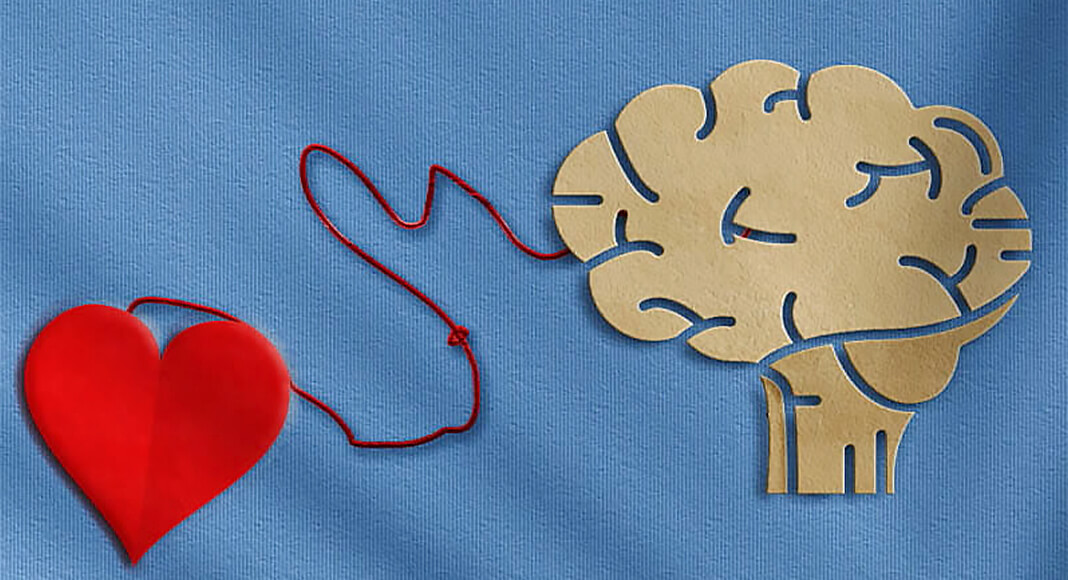
American Heart Association News – Cognitive function declines faster in people who have heart attacks than in those who don’t, new research shows, suggesting that preventing heart attacks could help preserve brain health.
The study is one of the first to look at how sudden cardiac events such as heart attacks affect brain function over the short and long term. The findings will be presented next week at the American Stroke Association’s International Stroke Conference. The research is considered preliminary until the full findings are published in a peer-reviewed journal.

“For too long, we have thought about and addressed heart disease and brain disease as two separate conditions,” lead study author Dr. Michelle C. Johansen said in a news release. She is an assistant professor of cerebrovascular neurology at the Johns Hopkins University School of Medicine in Baltimore.
“We need to realize that what’s going on in the heart and brain are related. Managing risk factors to prevent a heart attack is actually good for your brain as well,” she said.
Researchers pooled data for 31,377 people enrolled in six long-term studies between 1971 and 2017 to analyze what happens to cognitive function in the years following a heart attack. Study participants were free of dementia and had not had a heart attack when they enrolled in the studies. They were followed for anywhere from about five to 20 years.
Participants were 60 years old, on average, when they took their first cognitive test. Cognitive performance was tested in three areas: memory, executive function and global cognition, which looks at overall performance on cognitive tests that include both memory and executive function. Because the tests were given at different intervals and with different screening methods, a team of neuroscientists and statisticians “harmonized” the data before it was analyzed.
While cognitive function between the groups did not change significantly immediately after a heart attack, researchers found it fell faster in the years that followed in those who had heart attacks than it did in those who did not. The changes occurred in all three areas of cognitive function.
“We have shown that having a heart attack can be detrimental to your brain health over time,” Johansen said. “Dementia is a slow, step-wise process. One doesn’t wake up out of the blue with dementia.”
Rather, she said, they found the significant change occurs several years after a heart attack.
“It’s important to know that cognitive decline is a possibility after a heart attack, so physicians are both managing patients’ heart disease and looking for signs of dementia following a heart attack,” she said. “It can even be a great conversation starter about why it’s important for patients to follow medical advice to prevent a heart attack.”
One way brain and heart health are connected is through shared risk factors, such as lifestyle behaviors and blood pressure control, Dr. Karen L. Furie said in the release. Furie, who was not involved in the new study, is chair of the department of neurology at Brown University’s Warren Alpert Medical School in Providence, Rhode Island.
“Some cognitive decline is expected as we age. Yet as we learn more about how our brains change with age, we’re finding the same risk factors that impact heart health may also affect brain health,” she said.
“Controlling those risk factors needs to become an early and lifelong commitment, because it’s your blood pressure measures when you’re in early to midlife – 30s, 40s and 50s – that affects dementia or heart disease, rather than your measures in late adulthood.”


