
Mega Doctor News

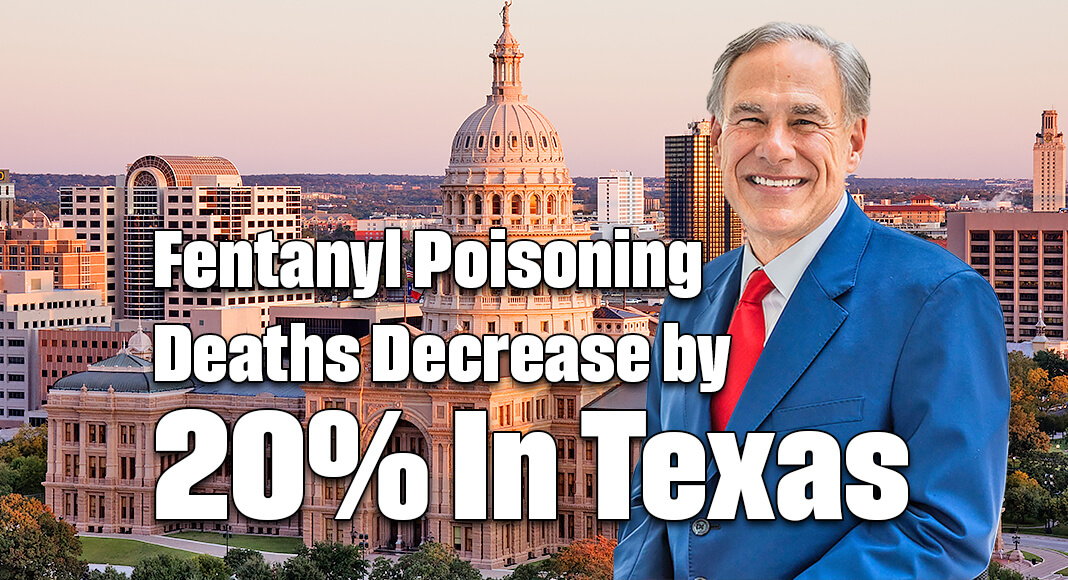
AUSTIN – Governor Greg Abbott today highlighted new data published by the Texas Department of State Health Services (DSHS) that shows an almost 20% decrease in fentanyl-related poisoning deaths over the past year. On the Texas fentanyl data dashboard, the new DSHS data shows that at least 430 fewer Texans died due to a fentanyl-related poisoning in the last 12 months when compared with the previous year.
“Texas launched our comprehensive ‘One Pill Kills’ campaign in 2021 to raise awareness and educate Texans about the dangers of fentanyl, and we’re seeing a positive impact in the lives of Texans,” said Governor Abbott. “From directing state agencies to ramp up their anti-fentanyl efforts, to passing and signing critical laws to curb the fentanyl epidemic, to launching a multimedia campaign that garnered over 1.5 billion impressions, to partnering with college football coaches to raise awareness at high school football games, our statewide efforts have helped decrease fentanyl poisoning deaths of Texans this past year. And thanks to the people across our great state joining us in this fight and having open conversations with their loved ones about this deadly drug, we are saving lives. Texas will continue to combat this nationwide crisis to protect more innocent lives from being lost to the scourge of fentanyl.”
DSHS’ data shows over 1,900 Texans died due to fentanyl poisoning from August 2023 to July 2024 compared to more than 2,360 in the previous 12 months. The decreases come after five straight years of increases, which saw fentanyl-related poisoning deaths in Texas rise over 600% from 2019 to 2023, taking the lives of more than 7,000 innocent Texans in just four years. This data is provisional and subject to change.

Last year, Governor Abbott unveiled the Texas fentanyl data dashboard as part of the “One Pill Kills” campaign to provide the public with easily accessible information about the dangers of fentanyl over time along with breakdowns by age, sex, and geography.
Earlier this month, Governor Abbott issued a proclamation declaring October 2024 as Fentanyl Poisoning Awareness Month. The Governor also partnered with Texas college football coaches to unveil a new One Pill Kills video that is playing at high school football games across the state during Friday Night Lights to raise awareness and educate young Texans about the deadly consequences of fentanyl.
Last year, Governor Abbott signed four pivotal laws to combat the growing national fentanyl crisis:
House Bill 6 (Goldman/Huffman) creates a criminal offense of murder for supplying fentanyl that results in death, enhances the criminal penalty for the manufacturing or delivery of fentanyl, and requires deaths caused by fentanyl to be designated as fentanyl toxicity or fentanyl poisoning on a death certificate. Current law does not require such classification on a death certificate, with most fentanyl-related deaths currently classified as an overdose.
House Bill 3144 (Lujan/Campbell) establishes October as Fentanyl Poisoning Awareness Month to help increase awareness of the dangers of fentanyl.
House Bill 3908 (Wilson/Creighton), also known as Tucker’s Law, requires public schools each year to provide research-based instruction on fentanyl abuse prevention and drug poisoning awareness to students grades 6 through 12. The bill also requires the Governor to designate a Fentanyl Poisoning Awareness Week.
Senate Bill 867 (West/Rose) allows the distribution of opioid antagonists, including life-saving NARCAN, to Texas colleges and universities to prevent opioid poisonings.