







Mega Doctor News

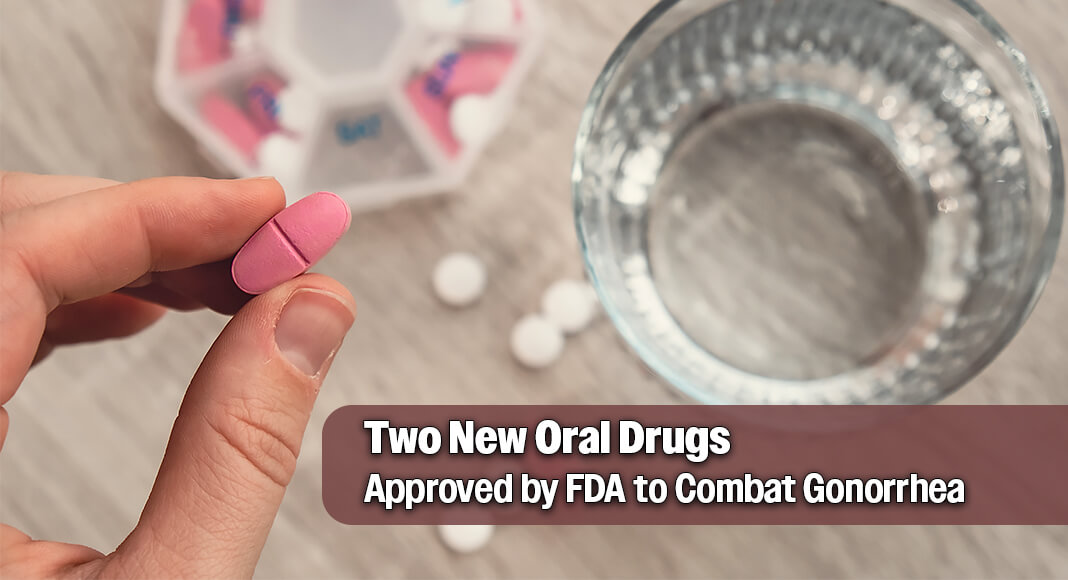
The U.S. Food and Drug Administration recently approved two new oral medicines to treat a common sexually transmitted infection called gonorrhea.
The FDA approved Nuzolvence (zoliflodacin) granules that dissolve in water. This medicine can treat uncomplicated urogenital gonorrhea in adults and children 12 years and older who weigh at least 77 pounds. The FDA also approved Blujepa (gepotidacin) oral tablets for the same condition in patients 12 years and older who weigh at least 99 pounds. This medicine is for patients who have few or no other treatment choices because of limited clinical safety data. Blujepa was first approved in March 2025 to treat urinary tract infections.
“These approvals mark a significant milestone for treatment options for patients with uncomplicated urogenital gonorrhea,” said Adam Sherwat, M.D., director of the Office of Infectious Diseases in the FDA’s Center for Drug Evaluation and Research (CDER).

Gonorrhea is caused by the bacterium Neisseria gonorrhoeae (N. gonorrhoeae). Uncomplicated urogenital gonorrhea refers to a localized infection of the urethra or cervix that has not spread to other areas of the body. It can cause painful urination, genital discharge and swelling. If left untreated, it could result in a more widespread infection of the reproductive organs and infertility. In the past, doctors treated this infection with a combination of a shot (ceftriaxone) and an oral medicine (azithromycin). More recently, treatment guidelines recommend just a single shot of ceftriaxone.
“The availability of additional treatment options is of particular importance given the global rise in gonococcal drug resistance,” said Peter Kim, M.D., M.S., director of the CDER Division of Anti-infectives.
Researchers tested Nuzolvence in a study with 930 patients who had uncomplicated urogenital gonorrhea. Two-thirds of patients received a single 3-gram dose of Nuzolvence dissolved in water. The other third received the standard treatment of ceftriaxone shot plus azithromycin pill. The study measured how well the medicines cleared the bacteria 4 to 8 days after treatment. The study showed 91% of patients who took Nuzolvence were cured and 96% of patients who received the standard treatment were cured. This showed that Nuzolvence’s effectiveness was comparable to the standard treatment.
Researchers tested Blujepa in a study with 628 patients. Half received two 3,000 mg doses of Blujepa taken 10 to 12 hours apart. The other half received the standard treatment. The study measured bacterial clearance 4 to 10 days after treatment. The study showed 93% of patients who took Blujepa were cured and 91% of patients who received standard treatment were cured. This showed that Blujepa’s effectiveness was comparable to the standard treatment.
The most common side effects shown in the Nuzolvence pivotal study were low white blood cell counts, headache, dizziness, nausea, and diarrhea. Animal studies showed this medicine might cause birth defects, pregnancy loss, or male fertility problems, so there are important safety precautions to follow that are included in labeling. Patients shouldn’t take this medicine if they’re allergic to it or taking certain other medications that might interact with it.
The most common side effects shown in Blujepa pivotal study were diarrhea, nausea, stomach pain, vomiting, gas, dizziness, soft stools, headache, tiredness, and excessive sweating. This medicine can affect heart rhythm and certain brain chemicals, and it may cause allergic reactions in some people. Blujepa comes with certain warnings and precautions, such as for QTc prolongation, acetylcholinesterase inhibition, and allergic reactions.
The FDA granted both Nuzolvence and Blujepa Fast Track, Qualified Infectious Disease Product and Priority Review designations for the uncomplicated urogenital gonorrhea indication.
FDA approval for Nozolvence was granted to Entasis Therapeutics and approval for Blujepa was granted to GSK.


