







Mega Doctor News

by Mayo Clinic
Newswise — EAU CLAIRE, Wisconsin — Most people experience numbness or the familiar pins-and-needles sensation from time to time. Often, it is harmless and occurs temporarily, because you have been sitting, standing or sleeping in a position that puts pressure on a nerve. However, these symptoms can sometimes signal an underlying medical condition such as neuropathy, explains Megan Everson, M.D., a neurosurgeon and spine expert at Mayo Clinic Health System in Eau Claire.
These symptoms can occur when a nerve is damaged, compressed or irritated, Dr. Everson explains. The nerve itself may not be functioning properly, a condition called neuropathy. In other cases, pressure on a nerve, such as in the spine or somewhere along its path through the arms or legs, can cause numbness and tingling.

Pinched nerves can occur in several places. Nerves can become compressed in the spinal canal, a condition known as spinal stenosis, or further along their path, such as carpal tunnel syndrome.
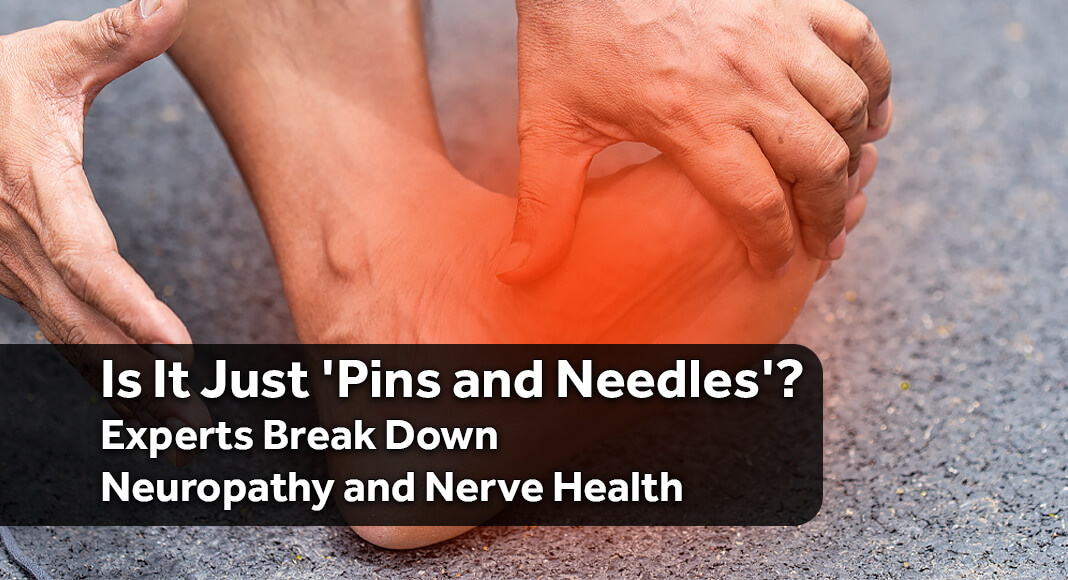
Other health conditions also can damage nerves. Diabetes is one of the most common causes. Diabetic neuropathy often begins in the feet, causing numbness, tingling or burning sensations that usually affect both sides of the body equally. Symptoms often spread in a pattern similar to wearing socks or gloves.
Vitamin deficiencies, kidney disease, heavy alcohol use, exposure to certain toxins and some medications, particularly chemotherapy drugs, also can contribute to numbness and tingling.
“Anxiety and stress can trigger numbness or tingling, as well,” Dr. Everson says. “During periods of stress, some people breathe more rapidly than usual, which can lead to tingling around the mouth or in the hands. Panic attacks also may cause these sensations.”
She recommends letting your healthcare team know if numbness or tingling becomes constant, gets worse over time, interferes with daily activities, or occurs along with pain, weakness, balance problems or difficulty walking.
“While many causes aren’t emergencies, persistent symptoms should be evaluated to identify and treat any underlying conditions,” Dr. Everson says. “Some symptoms require immediate medical attention.”
Sudden numbness affecting one side of the face, arm or leg, especially when accompanied by weakness, can be a sign of a stroke. If this occurs, seek emergency medical care immediately.
You also should seek emergency care if you develop numbness in the groin or genital area, particularly if it occurs along with difficulty controlling your bladder or bowels, trouble urinating or weakness in your legs. These symptoms can indicate a serious problem, such as a spinal cord injury, that requires prompt treatment, Dr. Everson explains.
When numbness or tingling needs further evaluation, your healthcare professional may begin by asking detailed questions about your symptoms, including when they started, what makes them better or worse, and whether you have other symptoms such as pain or weakness.
A physical examination helps evaluate how your nerves and muscles are functioning. Depending on the findings, additional testing may be recommended. This could include imaging tests, such as X-rays, ultrasound or MRI, to look for structural problems around the nerves. Nerve studies, including electromyography, can help determine how well your nerves send and receive signals.
For mild episodes related to body position, simply changing positions, improving your posture or gently moving the affected arm or leg may be enough. When symptoms are more persistent, physical therapy can help improve strength, mobility and function.
Other treatments may include medications to manage nerve pain, injections to reduce inflammation around pinched nerves, or surgery when nerve compression is severe. Some nerve problems, such as those caused by spinal stenosis, may improve with treatment. Others, including diabetic neuropathy, are often permanent, so treatment focuses on managing symptoms and preventing further nerve damage.
“Occasional numbness and tingling that go away quickly after you change positions are usually nothing to worry about,” Dr. Everson says. “But if symptoms persist, worsen, interfere with your daily life or occur with weakness or other concerning symptoms, don’t ignore them. Early evaluation can help identify the cause and guide the most appropriate treatment.”
About Mayo Clinic
Mayo Clinic is a nonprofit organization committed to innovation in clinical practice, education and research, and providing compassion, expertise and answers to everyone who needs healing. Visit the Mayo Clinic News Networkfor additional Mayo Clinic news.


