








Mega Doctor News
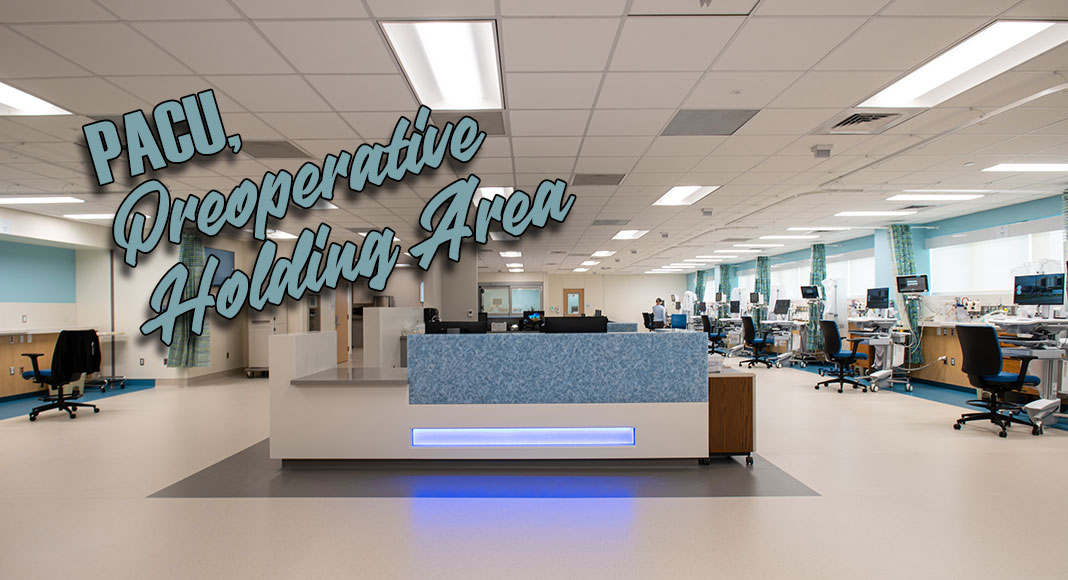
Driscoll Children’s Hospital’s new Post-Anesthesia Care Unit (PACU) and Preoperative/Holding Area offers the best care for the children of South Texas before and after their surgeries.
The two opened August 2, 2021, in the former location of the Pediatric Intensive Care Unit (PICU) before it moved to the Pavilion last summer.
After more than nine months of remodeling and upgrades, the area includes:

1) New 12-bed PACU, including an isolation room
2) New 8-bed Preoperative/Holding Area, including an isolation room
3) New second floor public corridor connection to the Pavilion
4) Renovated second floor elevator lobby and radiology registration, including a new Radiology Records Room and new public family restrooms
5) Relocated Operating Room (OR) Control Desk adjacent to the new PACU/Preoperative/Holding Area
Shane Casady, Vice President of Professional and Support Services, said the physical changes were part of a continuing effort to make a patient’s stay at Driscoll the very best possible.
“This renovation continues the modernization of our campus and elevates our facility to match the exceptional care provided by our dedicated staff and physicians,” said Casady.
The state-of-the-art units reflect the very latest in technological advances.
´The new technology and space have allowed our physicians and staff to have access to everything they need in one view/area, which then allows them to spend more time focusing on the patients and their needs,” said Andrae Johnson, MSN, BSN, RN, CNOR, Director of Surgical Services.
“Our families have real-time feedback on the progress of their loved one at each phase of care in our units. I believe that improving the staff, physician and patient connections result in improved care and outcomes for our patients,” said Johnson.
Safety also is an issue addressed by the new units.
“The design and location of the new units were intentionally considered for the enhancement of the patient flow to and from surgery which in turn improves our safety, efficiency and overall experience in the Perianesthesia setting,” said Angelia Reeder, Director of Perianesthesia.
The end result is an atmosphere conducive to healing. “This new space improves the quality of care and comfort for our children and their families. We have a lot more natural light and space as well as noise reduction to create a more healing environment. I want to thank our donors who have made this possible,” said Mary Dale Peterson, MD, Executive Vice President and COO of Driscoll Health System.


