







Mega Doctor News

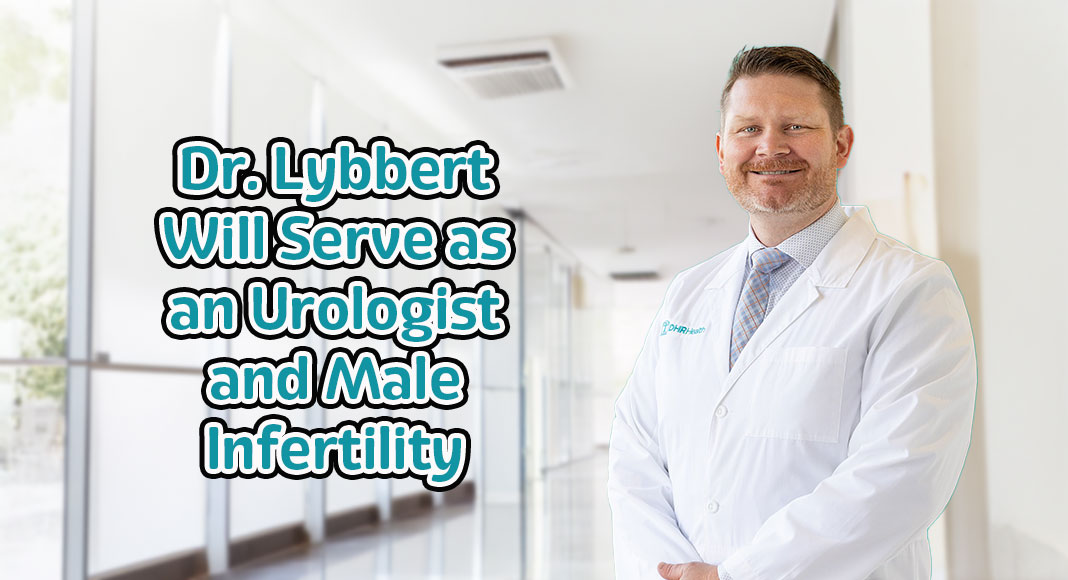
Edinburg, Texas: DHR Health is pleased to welcome Dr. Daniel T. Lybbert to its team of talented physicians. Dr. Lybbert will serve as an urologist and male infertility specialist at the DHR Health Urology Institute, located at 2603 Michelangelo Drive in Edinburg, where he is currently accepting new patients.
In his role, Dr. Lybbert will address a wide range of urology issues related to the kidneys, bladder, prostate, penis, testes, and urethra. He will also specialize in diagnosing and treating male fertility, sexual and urinary health conditions, including infertility, erectile dysfunction, Peyronie’s disease (penile curvature), low testosterone, urinary incontinence, enlarged prostate, chronic pelvic/scrotal pain, and kidney stones.
“Dr. Lybbert’s addition underscores our ongoing commitment to providing exceptional patient care,” said Marissa Castañeda, Senior Executive Vice President at DHR Health. “We are confident he will be a tremendous asset to both our team and the community.”

Dr. Lybbert earned his bachelor’s degree in Biology with honors from Lewis-Clark State College in Lewiston, Idaho. He then attended the University of Nevada, Reno, School of Medicine, where he obtained his medical degree in 2018. From there, he went on to complete his residency in urology at Southern Illinois University School of Medicine and recently completed a fellowship in andrology and infertility at the Mayo Clinic in Rochester, Minnesota. He is a member of several professional organizations, including the American Urological Association, American College of Surgeons, and Sexual Medicine Society of North America. He has authored several publications and has presented extensively in his field.
Additionally, Dr. Lybbert has worked as an Emergency Department Technician, Volunteer Firefighter, Emergency Medical Technician, Clinical Researcher, and Volunteer Student Clinician among other professional roles. He also contributed as a missionary in Arizona and New Mexico.
“I’m very excited to be here in the Rio Grande Valley! I look forward to using my training and experience in men’s sexual health to help those with fertility concerns be able to achieve the dream of having children and to improve the quality of life in my patients by addressing and correcting issues with sexual and urinary dysfunction. I understand that the conditions I treat are sensitive in nature and that many men will be hesitant to reach out to a care provider about them, but I want to create a welcoming and understanding environment where men can feel comfortable and get the care they need,” said Dr. Lybbert.
To make an appointment with Dr. Lybbert, call the DHR Health Urology Institute at (956) 362-8767. DHR Health accepts most insurance plans, including Medicare and Medicaid.


