





Mega Doctor News
EDINBURG, Texas – In the United States, headaches remain a common health concern, affecting approximately one in six Americans. Migraines, a type of headache, are the second leading cause of years lived with disability nationwide. In the Rio Grande Valley, limited availability of headache specialists, combined with a lack of resources for diagnosis and management, contributes to underdiagnosis and undertreatment of this important pathology. In these cases, primary care providers play a critical role in recognizing symptoms, initiating treatment, and connecting patients with specialized care when needed.
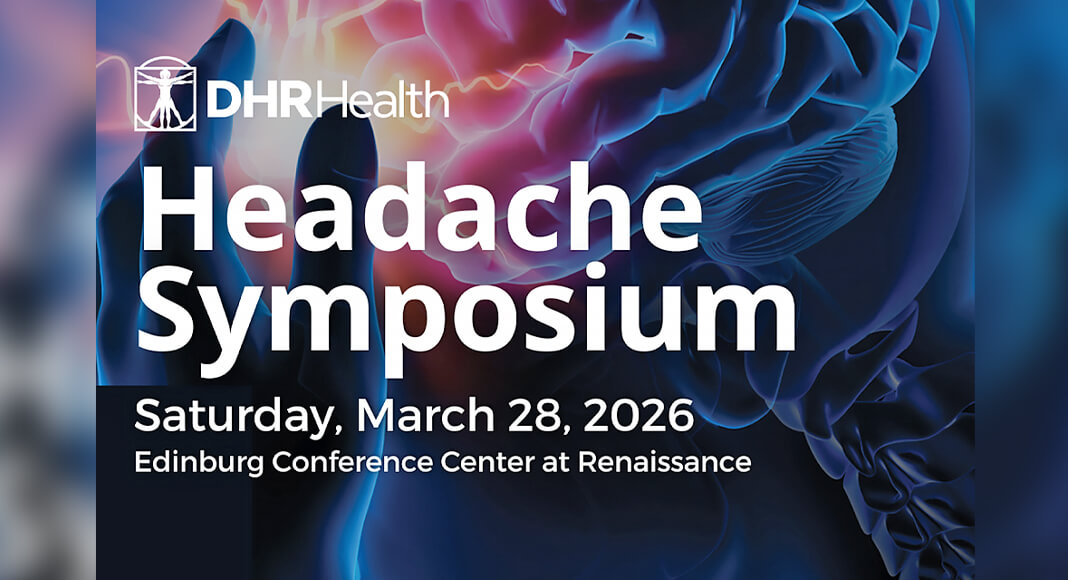
To help address these challenges and equip clinicians with the latest evidence-based resources, the DHR Health Continuing Medical Education Department will host the Headache Symposium on Saturday, March 28, at the Edinburg Conference Center at Renaissance, located at 118 Paseo del Prado. The symposium will run from 7:45 a.m. to 3:00 p.m. and is open to a wide range of healthcare professionals, including physicians, advanced practice providers, nurses, allied health professionals, medical residents, as well as medical and nursing students. Pre-registration is strongly encouraged.
The symposium aims to narrow the gap in headache diagnosis and treatment by providing clinicians in the region with the most up-to-date, evidence-based guidelines related to headaches, migraines, and associated chronic pain conditions.

The symposium is being spearheaded by Dr. Gloria Simms, a board-certified headache specialist at DHR Health, who emphasizes the importance of increasing education among healthcare providers to improve patient outcomes.
“Headache disorders, particularly migraines, are among the most disabling neurological conditions, yet many patients continue to suffer in silence without proper diagnosis or treatment,” said Simms. “Through this symposium, we’re equipping healthcare professionals with the latest evidence-based tools to better recognize, diagnose, and treat headache disorders so patients in our community can receive the care and relief they deserve.”
Presentations will focus on improving the diagnosis and management of headache disorders, including recognizing warning signs of more serious conditions and exploring the latest acute and preventive treatment options for patients experiencing primary headaches such as migraines.
By hosting this symposium in the Rio Grande Valley, DHR Health is helping ensure local clinicians have access to the latest knowledge and resources needed to improve the diagnosis and treatment of headache disorders for patients throughout the region.
For more information or to register, please call the DHR Health Office of Continuing Medical Education at (956) 362-3240.
See the image below for more information:


