


Mega Doctor News

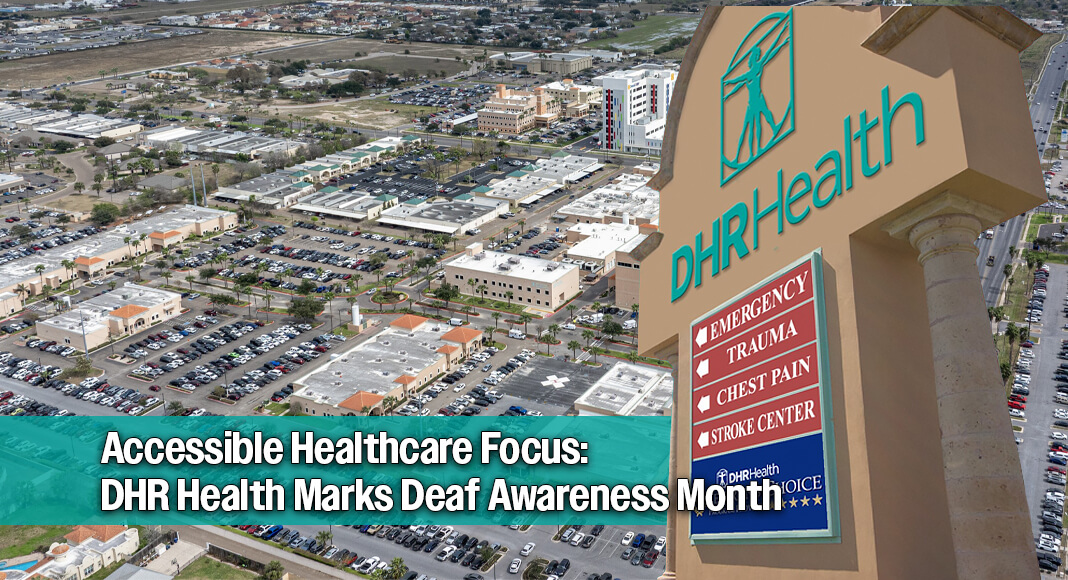
EDINBURG, Texas – During “National Deaf Awareness Month,” DHR Health’s Interpretive Services Department is highlighting its commitment to patients who are Deaf or Hard of Hearing by providing them with access to clear and effective communication in a compassionate healthcare environment.
“Clear communication is an essential part of patient safety and positive clinical outcomes. For patients who may not understand English, including those who are Deaf or Hard of Hearing, receiving information in their preferred language and communication modality is especially important,” said Elizabeth Munoz, DHR Health Americans with Disabilities Act Corporate Compliance Officer, who added that when patients do not fully understand their diagnosis, treatment plan, medications, or discharge instructions, communication barriers can increase the risk of complications, readmissions, and other adverse outcomes.
The department helps patients who may need assistance with communication or when the need is identified. Depending on the patient’s needs and circumstances, available options for communication may include in-person sign language interpreters, video remote interpreting, or qualified in-house staff.

“DHR Health recognizes that effective communication is more than simply providing an interpreter. It means ensuring that patients have meaningful access to information so they can understand their care, participate in medical decisions, and communicate their needs effectively,” said Bertha G. Ramos, DHR Health Interpretive Service Coordinator.
In accordance with the Americans with Disabilities Act (ADA), DHR Health provides reasonable accommodations to qualified individuals with disabilities, including appropriate communication and language services.
If a patient is deaf, hard of hearing, or in need of communication assistance, a DHR Health healthcare provider or team member should be informed so that a member of the Interpretive Services team can be requested to identify the preferred language and communication method for the patient.
For more information about DHR Health’s Interpretive Services Department, please call (956) 362-7258.