








Dealing with Endometriosis

Translate to Spanish or other 102 languages!

Endometriosis can start at a person’s first menstrual period and last until menopause. Image for illustration purposes
- Advertisement -

By Texas Tech University Health Sciences Center El Paso
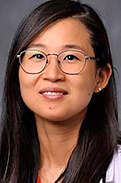
Gynecology specialist Mary Ann Son, M.D. with Texas Tech Physicians of El Paso. Image Courtesy of  TTUHSC El Paso

Newswise — Endometriosis is a disease in which tissue similar to the lining of the uterus grows outside the uterus. It can cause severe pain in the pelvis, cystic growths in the ovaries and other organ spaces, and makes it harder to get pregnant.

  • Endometriosis affects roughly 10% (190 million) of reproductive age women and girls globally.
  • Endometriosis can start at a person’s first menstrual period and last until menopause.
  • It is a chronic disease associated with severe, life-impacting pain during periods, sexual intercourse, bowel movements and/or urination.
  • Access to early diagnosis and effective treatment of endometriosis is important.
  • It is important to schedule an exam with an Ob Gyn to determine if you are at risk.
- Advertisement -


- Advertisement -

- Advertisement -

More Articles

The Silent Toll of Substance Use on Today’s Young Adults

Mega Doctor News by University of Michigan Newswise - Young adults who heavily use substances...

New Study Identifies Hormone Linking Obesity to Pancreatic Cancer

Mega Doctor News by Yale School of Medicine Newswise — Obesity increases the body's need...

Simple breath test can quickly confirm bacterial infections, study finds

Mega Doctor News By St. Jude Medical Bacterial infections can be...

Why Colorectal Cancer Screening Is Critical—Especially Now

Every March, National Colorectal Cancer Awareness Month reminds us that colorectal cancer is highly preventable and highly treatable when detected early. As rates of colorectal cancer rise, particularly among adults under 50, awareness and timely screening have never been more important.
- Advertisement -

