








Mega Doctor News
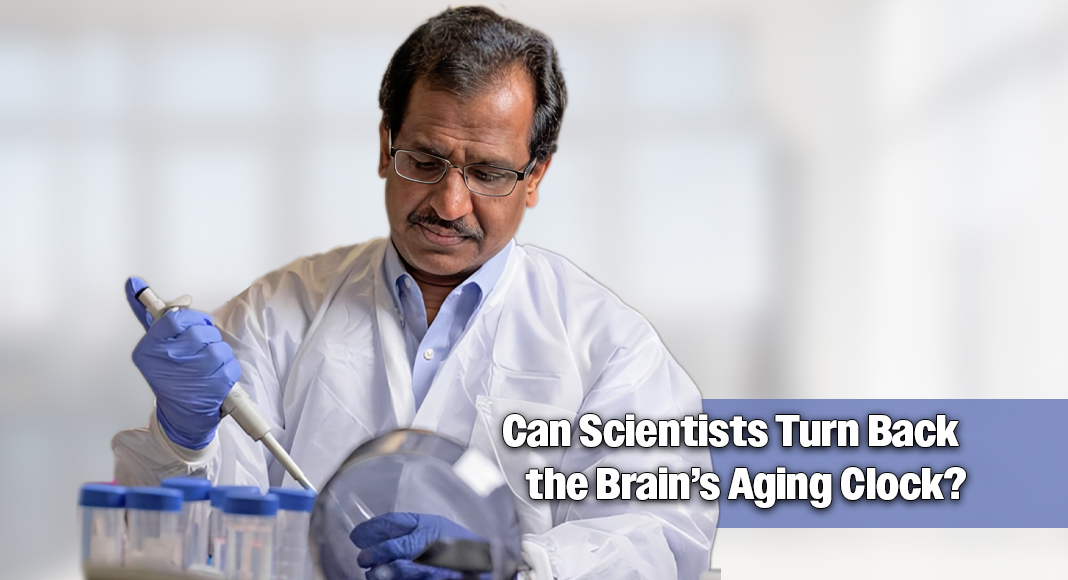
What if some of the effects of brain aging could one day be reversed with something as simple as a nasal spray? Researchers at Texas A&M University are exploring that possibility through an experimental therapy that has produced striking results, reducing brain inflammation, improving cellular function and restoring memory in research models.
The work is led by Dr. Ashok Shetty, a distinguished professor at the Texas A&M University Naresh K. Vashisht College of Medicine and associate director of the Institute for Regenerative Medicine. Along with senior research scientists Dr. Madhu Leelavathi Narayana and Dr. Maheedhar Kodali, Shetty and his team are investigating a new approach to one of medicine’s most difficult challenges: cognitive decline associated with aging.
At the center of the research is an innovative nasal spray that uses microscopic biological packages called extracellular vesicles to carry microRNAs directly into the brain. According to the researchers, just two doses dramatically reduced inflammation, restored the function of neuronal mitochondria—the cellular “power plants” of the brain—and significantly improved memory. The effects appeared within weeks and lasted for months in the research models.

The implications could be far-reaching. With dementia cases expected to rise dramatically in the coming decades, scientists are searching for treatments that could preserve cognitive health and address the biological processes behind brain aging. Although additional research is necessary before determining whether this experimental approach can be safely and effectively used in humans, the Texas A&M team has already filed a U.S. patent for the therapy.
In this August 2026 cover story, Mega Doctor News takes readers inside the research and the science behind a therapy that could change how we think about aging, memory and the brain’s ability to repair itself. Turn inside to discover how Shetty and his colleagues are working toward an ambitious goal—not simply helping people live longer, but helping them remain alert, engaged and cognitively healthier as they age.
Original article written by Zaid Elayyan, Texas A&M University Division of Marketing and Communications
See related story:


