





loader image
Friday, February 6, 2026
71.9 F
McAllen
- Advertisement -

Can Ozempic help lower your risk of dementia?

Translate to Spanish or other 102 languages!

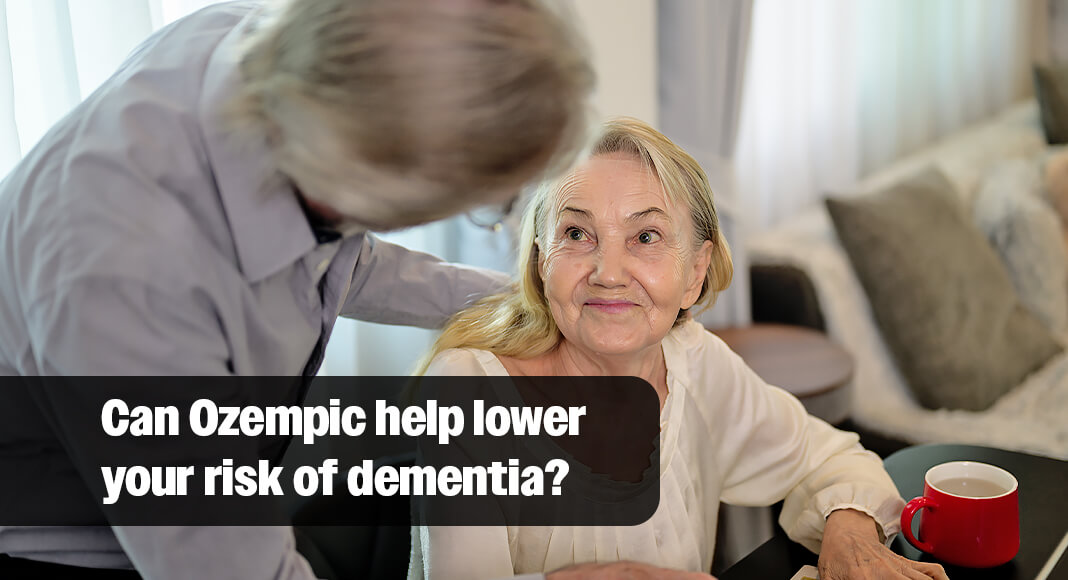
According to Alzheimer’s Disease International, as of 2020, there were over 55 million peopleliving with dementia, with that number expected to rise to 78 million by 2030. Image for illustration purposes
- Advertisement -

Medical News Today

  • There are several risk factors for dementia, including type 2 diabetes and obesity. 
  • A new study reports that semaglutide — the active ingredient in GLP-1 medications Ozempic and Wegovy for type 2 diabetes and weight loss — may help lower dementia risk in people with type 2 diabetes. 
  • Researchers say semaglutide targets several dementia risk factors and is anti-inflammatory, which could explain this benefit to brain health.

According to Alzheimer’s Disease International, as of 2020, there were over 55 million peopleliving with dementia, with that number expected to rise to 78 million by 2030.

Follow the link below to Medical News Today to read the full story:

- Advertisement -

https://www.medicalnewstoday.com/articles/can-ozempic-weight-loss-diabetes-help-lower-risk-vascular-dementia?utm_term=feature&utm_source=Sailthru%20Email&utm_medium=Email&utm_campaign=MNT%20Daily%20News&utm_content=2025-07-23&apid=&rvid=4ba4ec80177cae00eabc43b8bc6648d598c4a356d104663735777e0a0f8b5c9f

Information source: https://www.medicalnewstoday.com

- Advertisement -

- Advertisement -

- Advertisement -

More Articles

Inside the Physiology and Neuroscience of Winter Olympians

What makes Olympians the very best at what they do — even in cold, slippery or icy conditions? 

Study Finds 60% of American Women Choose Clinic Visits Over At‑Home Cervical Screening

American women now have the option of screening for cervical cancer at home, using newly approved self-collection tools. While experts hope this will increase uptake in the under-screened population, a first-of-its kind study by researchers from The University of Texas MD Anderson Cancer Center found the majority (60.8%) still prefer to see a medical professional in-clinic.

Food Safety Tips for a Healthy Super Bowl Sunday

Super Bowl parties often feature takeout, delivery and foods that are served over several hours. To help prevent foodborne illness, the U.S. Department of Agriculture’s (USDA) Food Safety and Inspection Service (FSIS) is reminding fans to keep food safety in play on game day.

FDA Updates Guidance on “No Artificial Colors” Labels as Natural Options Expand

The U.S. Food and Drug Administration took additional steps to support the transition of our nation’s food supply from the use of artificial petroleum-based colors to alternatives derived from natural sources. Companies will now have flexibility to claim products contain ‘no artificial colors’ when the products do not contain petroleum-based colors. In the past, companies were generally only able to make such claims when their products had no added color whatsoever — whether derived from natural sources or otherwise
- Advertisement -
×

