







Mega Doctor News

Mega Doctor News
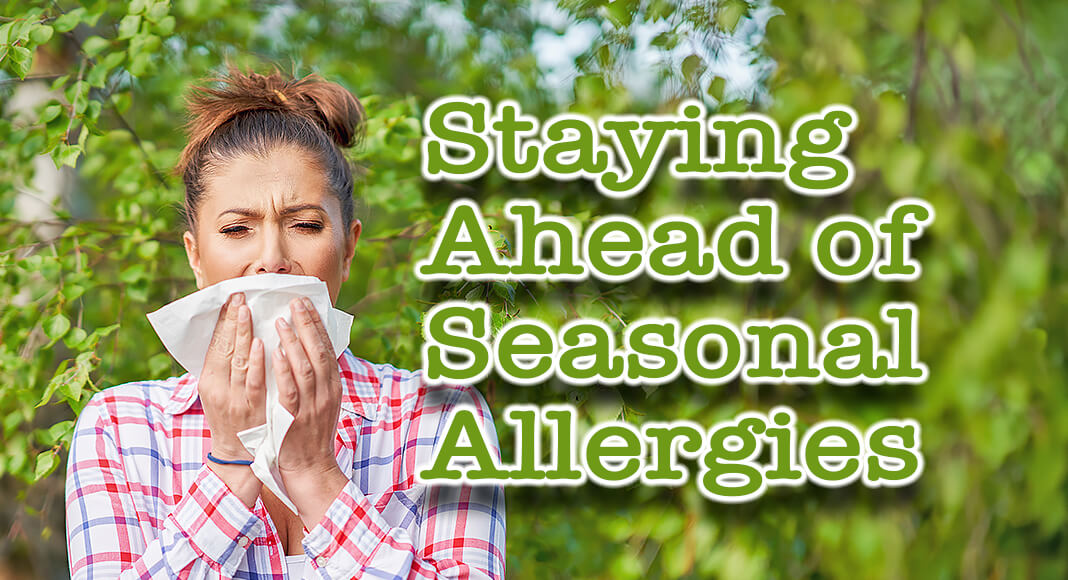
As the landscapes of the Rio Grande Valley burst into bloom, spring also marks the onset of allergy season, which can be uncomfortable for many residents. The region’s unique biodiversity, coupled with its specific climatic conditions, tends to amplify pollen counts, increasing allergy symptoms among the populace. This article delves into understanding the triggers and offers practical advice on managing allergies effectively during this season.
Understanding the Allergy Surge

In the Rio Grande Valley, pollen from trees, grasses, and weeds is the primary culprit for seasonal allergies. Warm temperatures and occasional gusty winds can disperse pollen grains over large areas, aggravating symptoms such as sneezing, congestion, runny nose, itchy eyes, and throat irritation. Early recognition of symptoms and identification of the specific allergens can significantly aid in managing these seasonal discomforts. Always consult a physician.
Tips for Managing Allergies in the Rio Grande Valley
Please check local weather forecasts and pollen trackers regularly. High pollen days typically occur during dry, windy weather. These days, you can limit outdoor activities, especially in the morning when pollen counts peak.
Create an Allergen-Free Environment
• Indoors: Keep windows closed to prevent pollen from entering your home. Use air purifiers with HEPA filters to effectively clean indoor air. Clean surfaces, bedding, and curtains regularly to remove allergens.
• Vehicles: Keep car windows closed and set the air conditioning to recirculate to avoid drawing in pollen-laden air.
Personal Care
After spending time outdoors, change and wash your clothes to remove pollen. Shower before bed to rinse pollen from your skin and hair, preventing it from spreading to your bedding.
Over-the-counter remedies and Prescription Medications
Antihistamines, decongestants, and nasal sprays can relieve allergy symptoms. For more severe cases, consult a healthcare provider or an allergist for prescription medications or immunotherapy options.
Natural Remedies
Some individuals find relief through natural remedies such as saline nasal rinses, honey (locally sourced may be beneficial), and a diet rich in fruits and vegetables with natural antihistamine properties.
Stay Hydrated
Drinking plenty of fluids can thin mucus, helping to alleviate congestion and throat discomfort.
Wear Protective Gear
When doing outdoor activities like gardening, wear a mask to reduce pollen inhalation and protective glasses to shield your eyes.
Embrace Precaution and Preparation
As we navigate allergy season in the Rio Grande Valley, it is crucial to stay proactive in managing allergy symptoms. Residents can enjoy the beautiful spring season with minimal discomfort by taking preventive measures, utilizing available treatments, and consulting with healthcare professionals. Early preparation and consistent management are vital to avoiding troublesome allergy symptoms. MDN
Always first consult your physician.


