




Mega Doctor News

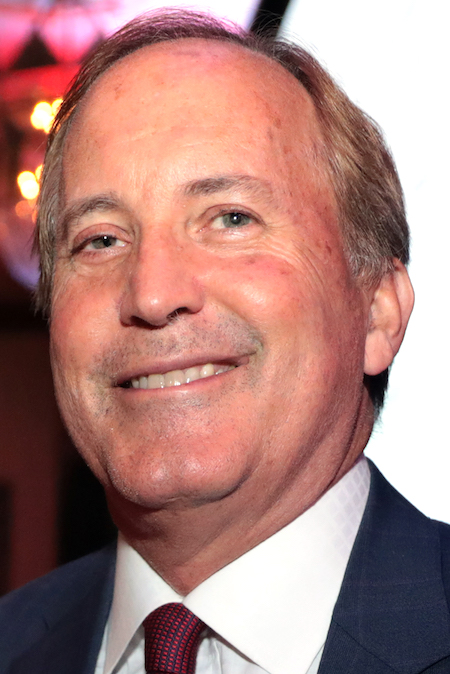
AUSTIN – Texas Attorney General Ken Paxton sued major insulin manufacturers and pharmacy benefit managers (“PBMs”)—including Eli Lilly, Express Scripts, CVS Pharmacy, and others—over a conspiracy to increase prices of insulin.
Through this conspiracy, the manufacturers artificially and willingly raised the prices of insulin then paid a significant, undisclosed portion back to the PBMs as a quid pro quo for inclusion in the PBMs’ standard offerings. The PBMs then granted preferred status to the manufacturer whose drug has the highest list price while excluding lower priced drugs. These synthetic insulin drugs, which today cost the manufacturers less than $2 to produce and were originally priced at $20 when released in the late 1990s, now range between $300 and $700. In the last decade alone, the manufacturers who are defendants in the lawsuit have increased the prices of their insulins up to 1,000%. Attorney General Paxton is suing because the insulin pricing scheme violates the Texas Deceptive Trade Practices Act, constitutes unjust enrichment, and represents an unlawful civil conspiracy.
“This is a disturbing conspiracy by which pharmaceutical companies were intentionally and artificially inflating the price of insulin. Big Pharma insulin manufacturers and PBMs worked together to take advantage of diabetes patients and drive prices as high as they could,” said Attorney General Paxton. “These companies acted illegally and unethically to enrich themselves, and we will hold them accountable.”

According to the complaint, “While the PBM Defendants represent that they perform their services on behalf of their clients (including Texas payors) and diabetics to lower drug prices, increase access to affordable drugs, and promote diabetic health, these representations are false. Rather, the PBM Defendants have worked in coordination with the Manufacturer Defendants to distort the market for diabetic treatments to their benefit at the expense of Texas diabetics and payors.”
Liston & Deas, David Nutt & Associates, the Cicala Law Firm, and Foreman Watkins Krutz are serving as outside counsel.
To read the filing, click here.